Introduction: From Indoors to Panoramic Views—The “Wall-Breaking” Revolution of Squash Courts
For a long time, squash has been regarded as an “indoor hothouse sport.” Traditional squash courts are enclosed spaces defined by heavy concrete or brick walls, designed to maintain consistent ball rebound properties. However, with the official inclusion of squash as a competitive event in the 2028 Los Angeles Olympics, the sport is now bursting out of the gymnasium like never before—venturing into urban plazas, seaside resorts, and even onto the rooftops of shopping malls.
This transformation presents a major industry challenge: How can a precise and sensitive squash court—typically requiring controlled conditions—be made to withstand harsh natural climates? The maturation of “All-Weather Weatherproofing” technology is currently transforming squash courts from mere “indoor boxes” into true “urban landmarks.”
I. Why Is “Weatherproofing” the Inevitable Path for the Global Expansion of Squash Courts?
1. Breaking Physical Barriers to Unlock Commercial Value
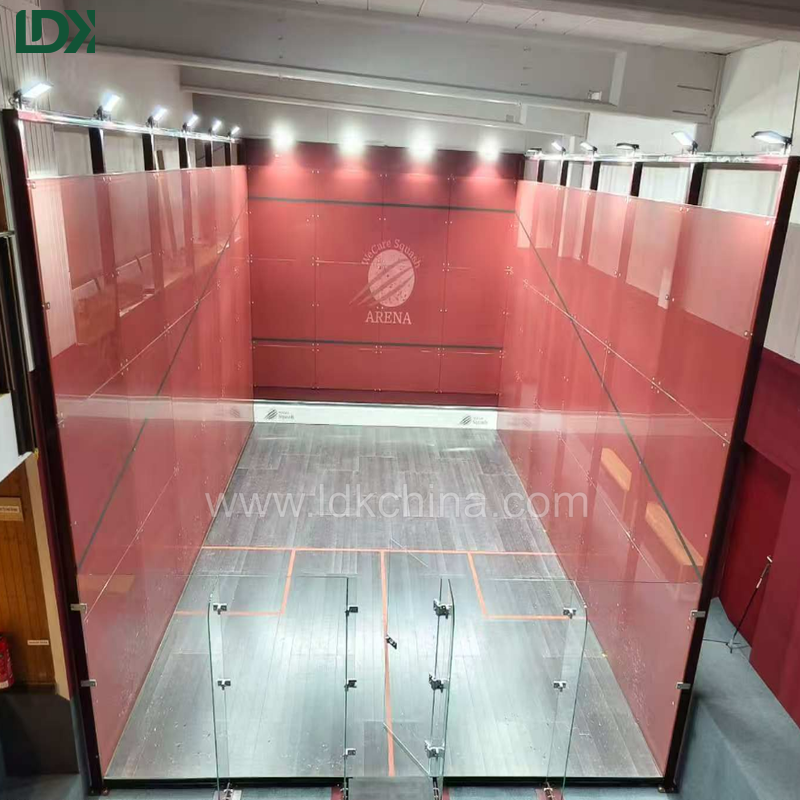
Traditional indoor squash courts are constrained by their architectural structures, unable to offer natural lighting or open, panoramic views. In contrast, **All-Glass Squash Courts** equipped with weatherproofing capabilities can be situated outdoors, becoming an integral part of the urban landscape. This not only enhances spectator engagement but also directly boosts commercial sponsorship opportunities and court booking rates through the venue’s sheer “visual appeal.”
2. Mitigating Climate Risks to Ensure Sustainable Profitability
For sports venue investors, downtime equals financial loss. Heavy rains, hurricanes, extreme heat, and freezing temperatures are the four primary threats to outdoor sports facilities. Weatherproofing technology ensures that venues remain fully operational even under extreme weather conditions, transforming the traditional “weather-dependent” business model of outdoor venues into a robust, 24/7/365 all-weather revenue model.
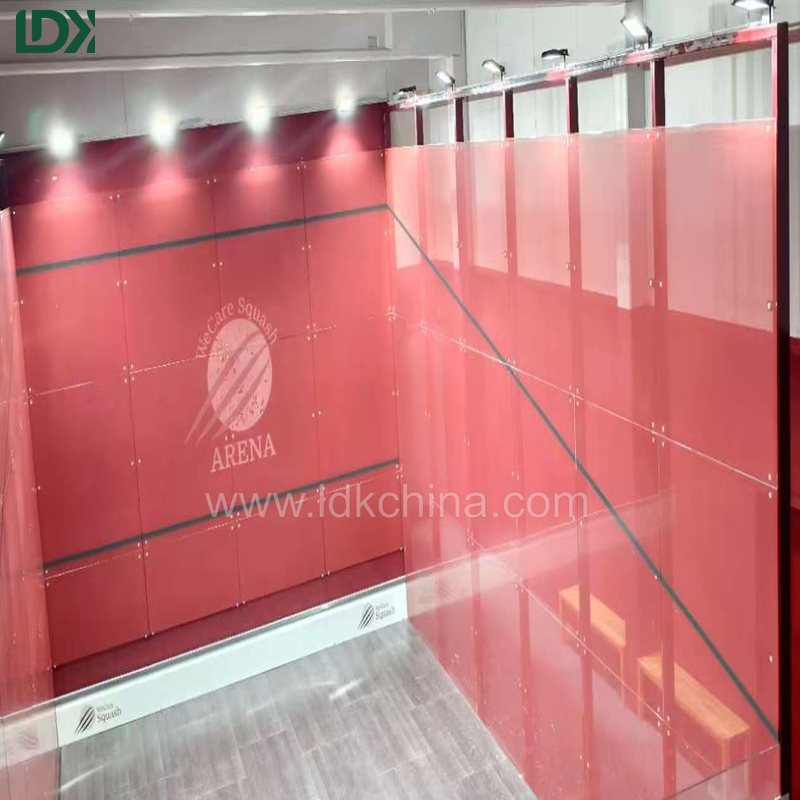
Customized Glass Squash Court with for Padel Sports Construction in Squash and Tennis
II. Decoding the Tech: How Do All-Weather Squash Courts Achieve “Watertight” Protection?
Achieving weather resistance for outdoor squash courts is far from a simple matter of “just adding a roof”; it is underpinned by complex engineering principles.
1. Structural Engineering: High-Strength Steel Structures and Wind Resistance Stability
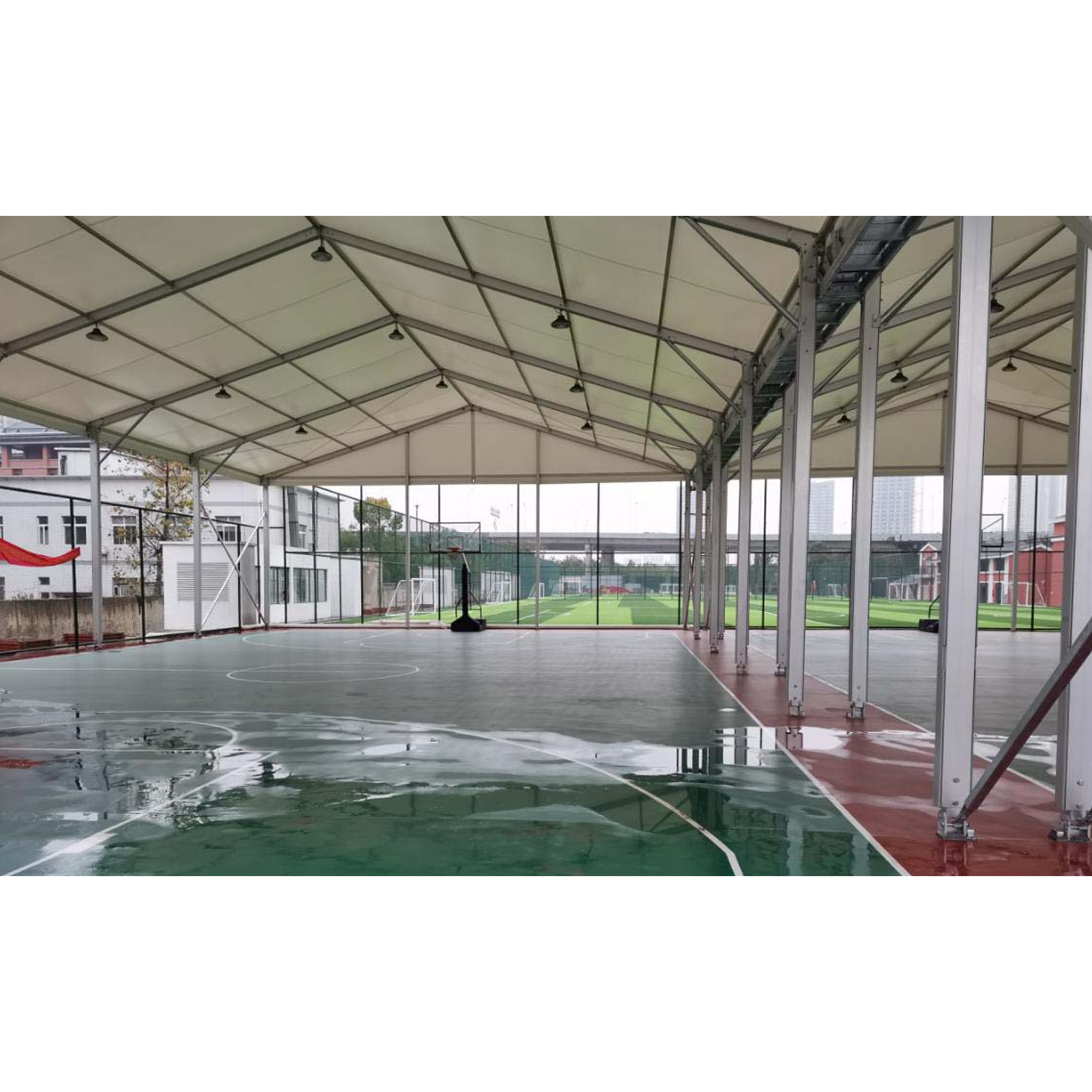
The roofing of outdoor squash courts typically utilizes lightweight, high-strength aerospace-grade aluminum alloys or hot-dip galvanized steel structures. To mitigate the risks posed by hurricanes, these structures must undergo rigorous wind tunnel testing. Advanced designs incorporate curved tension membrane systems (PVDF/PTFE); these not only facilitate efficient rainwater drainage but also counteract the pressure of strong winds through slight elastic deformation, ensuring the main structure remains rock-solid—even in the face of Category 12 gales.
2. Materials Science: Nanoscale Coatings and Weather-Resistant Glass
The glass walls are the very soul of a squash court. For outdoor courts, this glass must possess the following attributes:
Hydrophobic Coating: This coating features a self-cleaning function—much like a lotus leaf—causing rainwater to bead up and slide off rapidly without leaving water marks, thereby ensuring crystal-clear visibility throughout and after play.
Anti-UV PVB Interlayer: A specialized layer embedded within the laminated glass structure serves a dual purpose: it prevents the glass from yellowing due to prolonged sun exposure while simultaneously absorbing 99% of harmful UV radiation, thereby protecting both the players on the court and the expensive maple flooring.
3. Thermal Engineering: The “Invisible” Climate Control System (HVAC)
These all-weather courts are equipped with a concealed, intelligent climate control system. During humid weather, the system automatically activates a dehumidification mode to prevent condensation from forming on the walls and floor (a phenomenon that is extremely hazardous in squash, as it can cause the ball to skid off course). Conversely, during the scorching summer months, micro-circulation airflow technology ensures the indoor air remains fresh and free of stuffiness.
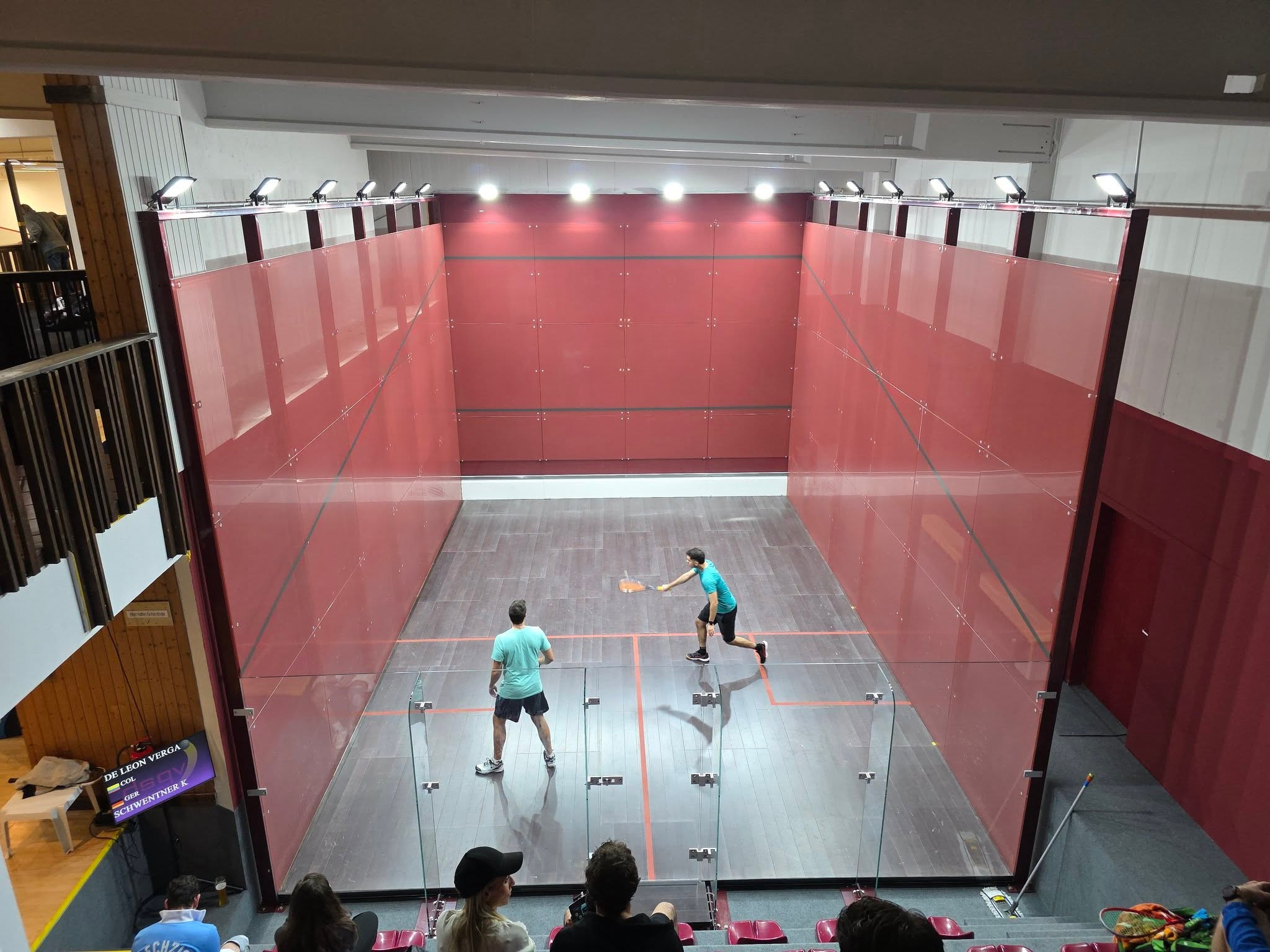
III. In-Depth Science: The “Battle Against Moisture” for Squash Court Flooring
The demands placed on squash court flooring are nothing short of exacting—it must possess both an exceptionally high slip-resistance coefficient and superior shock-absorption capabilities.
1. Moisture-Proof Sealing Technology (Underfloor Sealing)
In weather-resistant squash courts, the flooring does not rest directly upon the ground; instead, it is constructed atop a multi-layered moisture-isolation barrier system. A base layer of physical waterproofing membrane works in tandem with an intermediate air gap to create a “breathing system” that effectively blocks moisture from rising up from the soil beneath.
2. Expansion Joints and Precision Installation
Given the significant temperature fluctuations inherent in outdoor environments, the flooring installation employs a specialized “adaptive expansion system.” By leaving precisely calculated expansion gaps at the corners—which are then filled with high-performance sealant—the flooring is able to expand and contract freely in extreme heat and cold without warping or cracking.
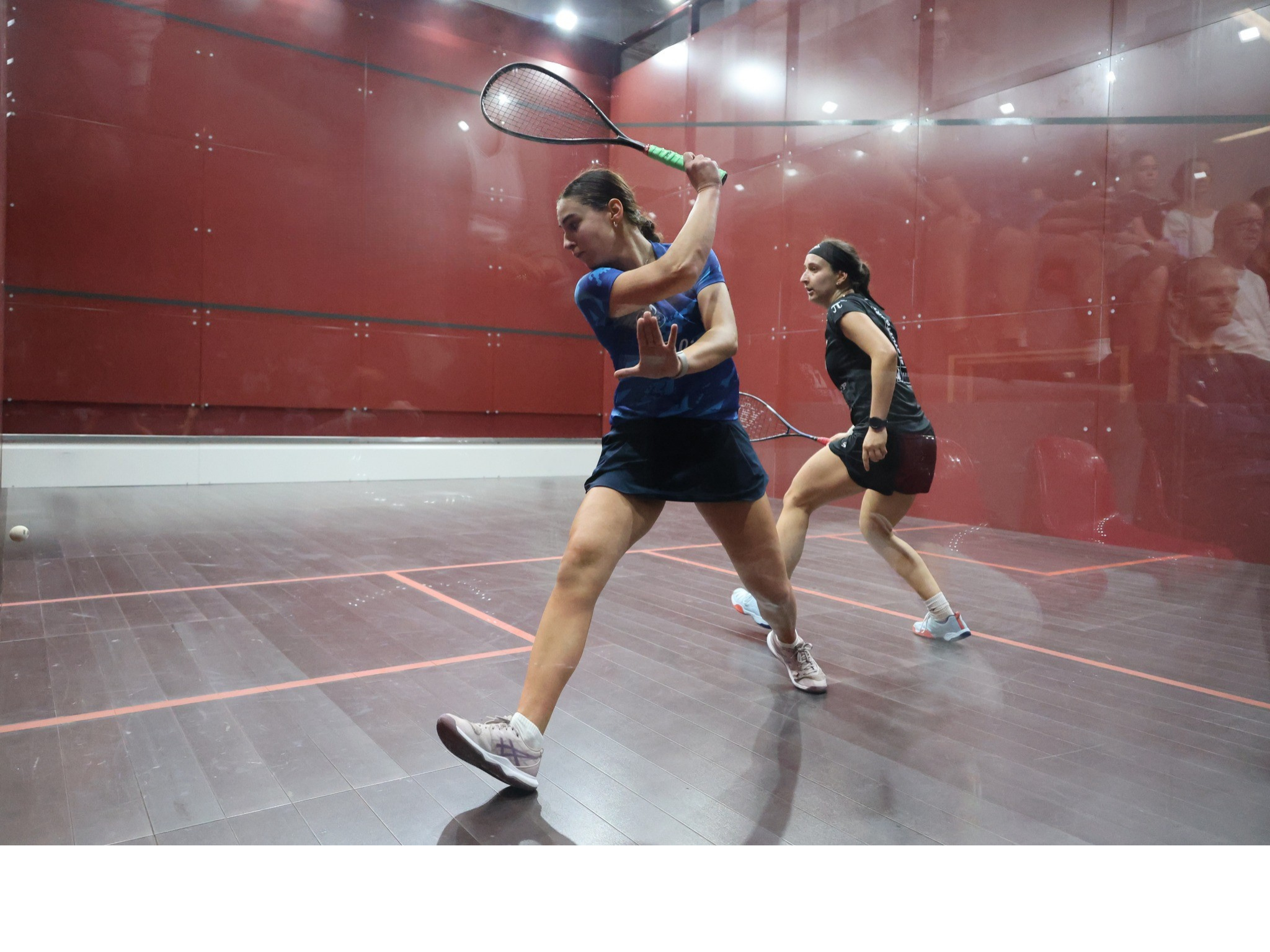
Factory Direct Glass Squash Court for Club and Sports Center Projects
IV. Investment Perspective: Market Opportunities for 2026–2028
As the Olympic cycle approaches, the global construction of squash courts is exhibiting the following three major trends:
- Portable Show Courts: These courts feature exceptional weather resistance and can be rapidly dismantled—much like a Lego set. Highly suitable for hosting touring tournaments or pop-up events, they are currently the preferred choice for high-end brand collaborations.
- Multifunctional Hybrid Spaces: Modern weather-resistant squash courts are beginning to integrate interactive LED flooring. When not in use for play, the ceiling and lighting systems can quickly switch modes to host high-end cocktail parties or brand launch events, thereby significantly diversifying revenue streams.
- Green, Zero-Carbon Energy: Thin-film solar panels integrated into the roof canopy provide power for the court’s lighting and drainage systems. Such sports facilities—which align with ESG standards—are increasingly gaining favor among international investment institutions.
V. Purchasing Advice for Venue Owners and Buyers
As a leading global provider of sports facilities, we recommend prioritizing the following three criteria when selecting an all-weather squash court:
- WSF (World Squash Federation) Certification: Only certified courts are eligible to host professional competitions, ensuring guaranteed standards for ball rebound consistency and player safety.
- Weather Resistance Reports: Require suppliers to provide structural steel wind-load resistance reports, as well as impact resistance test data for the glass panels.
- One-Stop Maintenance Support: Opting for a solution that includes an intelligent climate monitoring system can significantly reduce long-term manual management and maintenance costs.
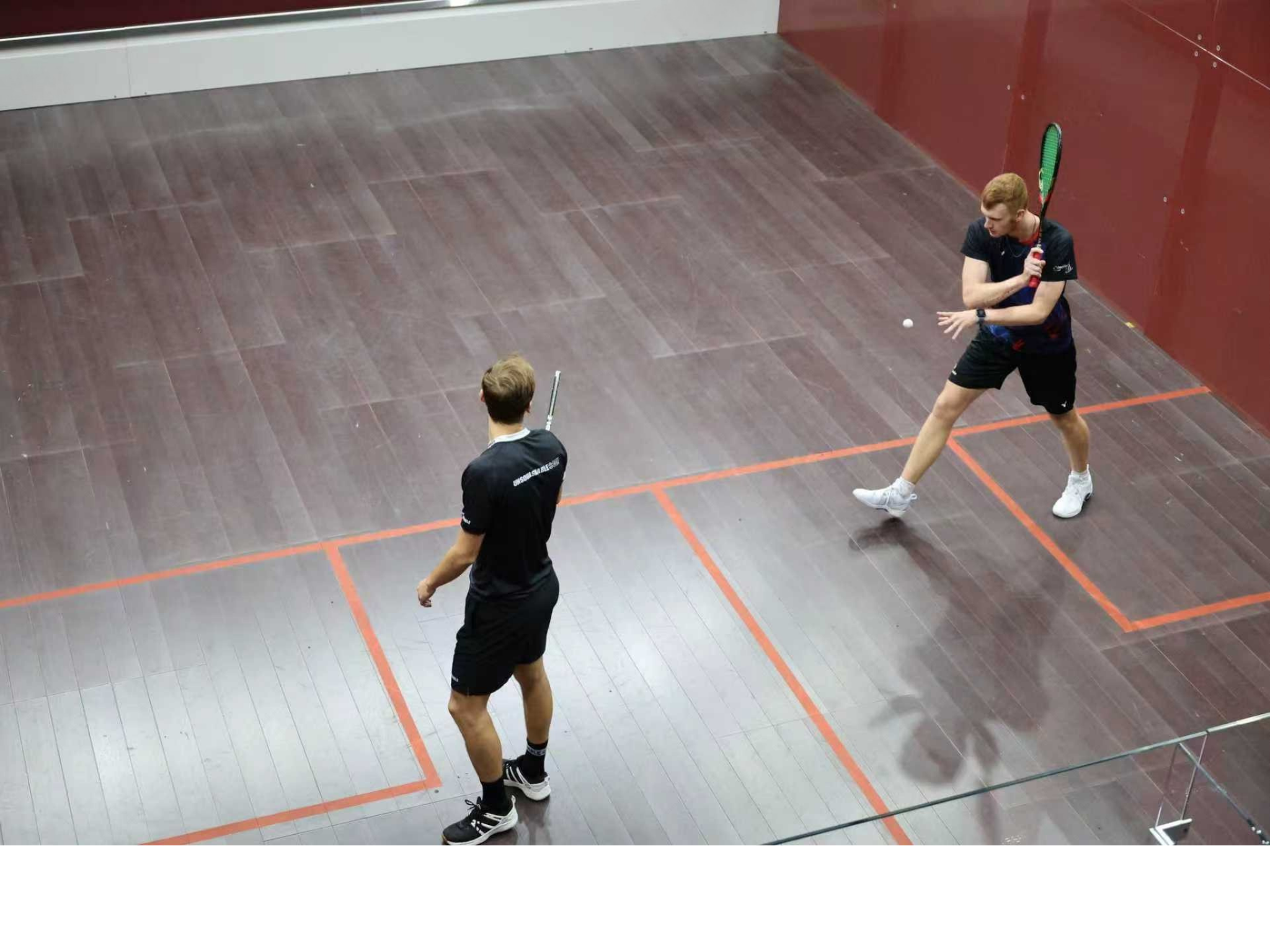
Conclusion: Letting Squash Flourish Under the Sun
The breakthrough in all-weather, weather-resistant technology marks a pivotal shift for the sport of squash—moving it from “private” to “open,” and from a “single-function space” to an “urban living room.” On the road to the 2028 Los Angeles Olympics, a durable, aesthetically pleasing, and year-round profitable squash court will become the most vital asset for any sports club. The squash court of the future is not merely a sports arena, but a crystal-clear sports palace—impervious to the elements.
Publisher:
Post time: Apr-16-2026