In the rapidly urbanization landscape of the 21st century, the philosophy of global sports infrastructure is undergoing a quiet but significant revolution. The era of focusing solely on massive, Olympic-sized stadiums is shifting towards a more granular, accessible model: the community-based sports hub. At the center of this shift is the rising demand for cage football systems.
For international trade professionals in the sports equipment sector, this isn’t just a trend; it’s a signal of a maturing market that prioritizes flexibility, safety, and spatial efficiency.
The “Vertical” Challenge: Redefining Standards
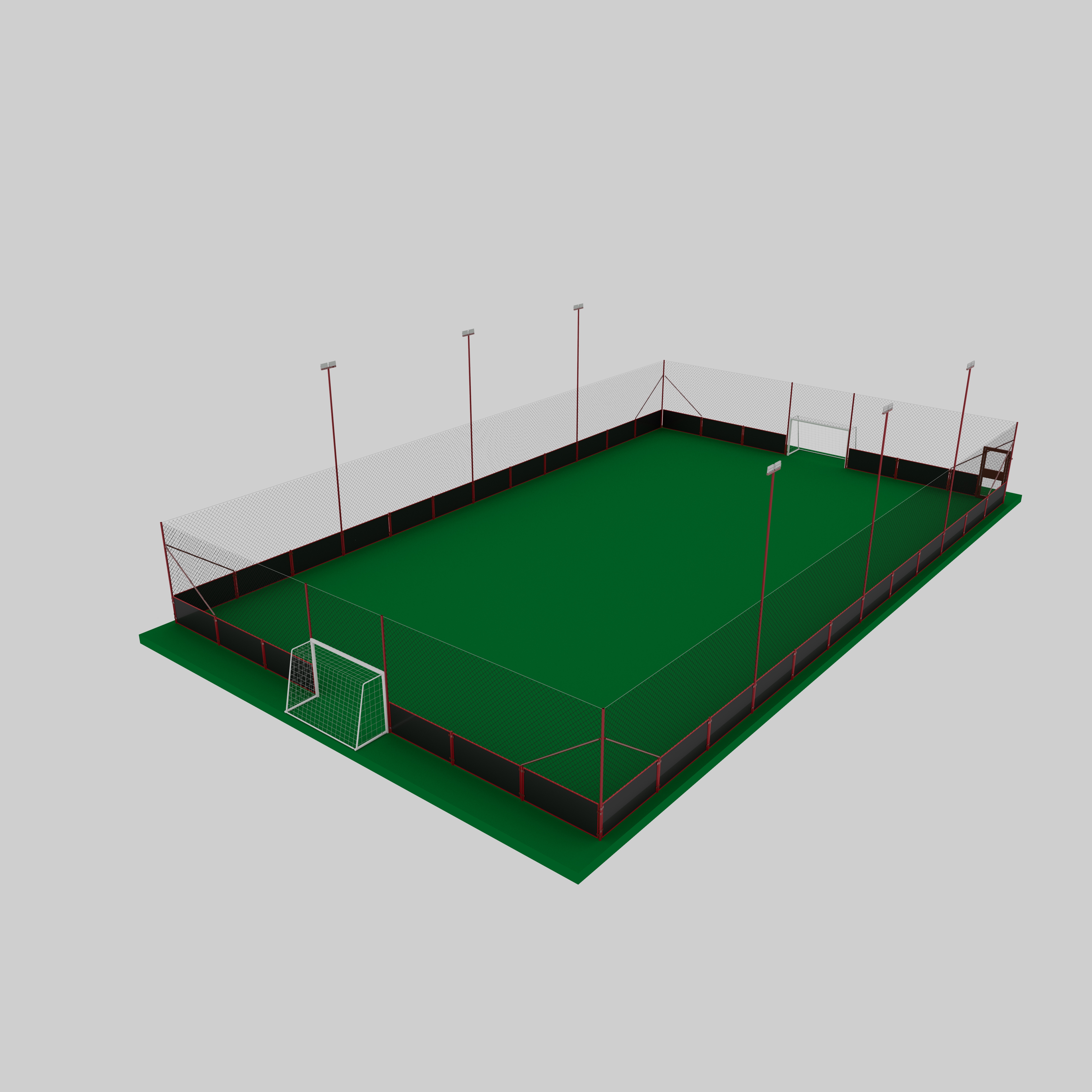
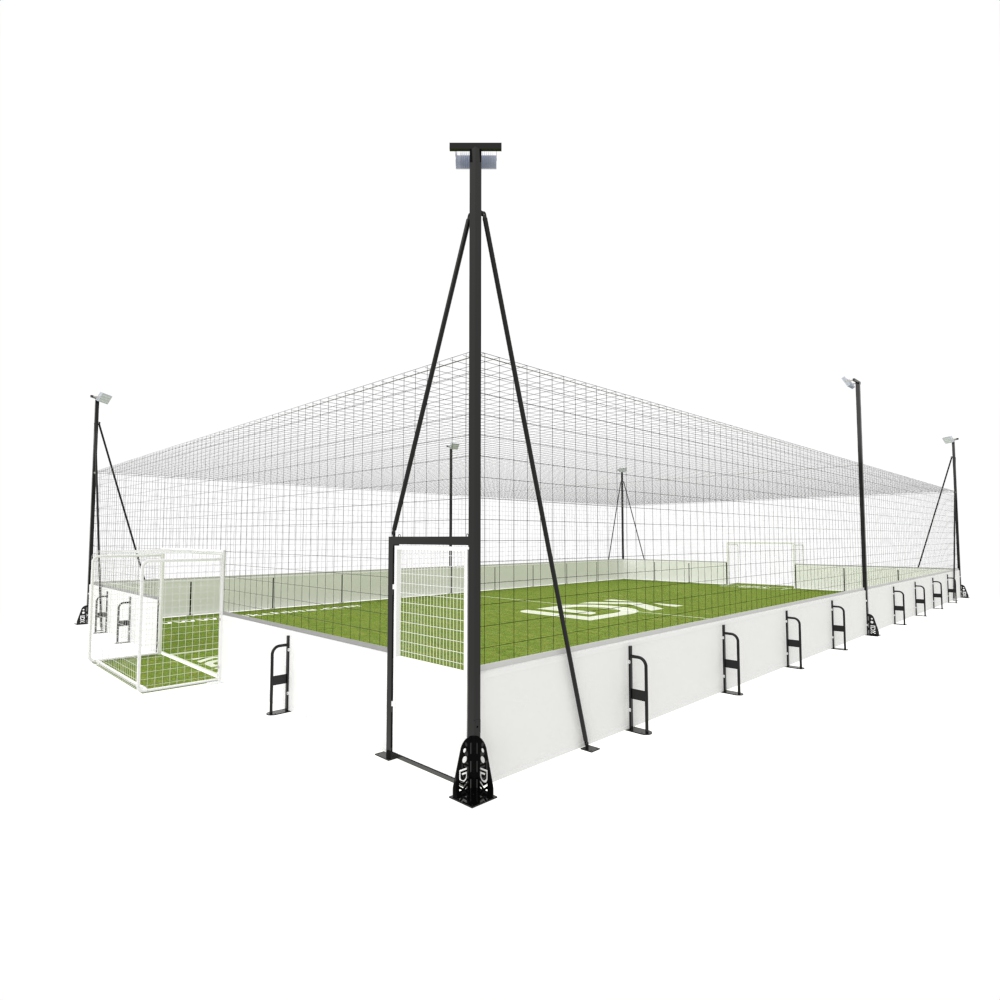
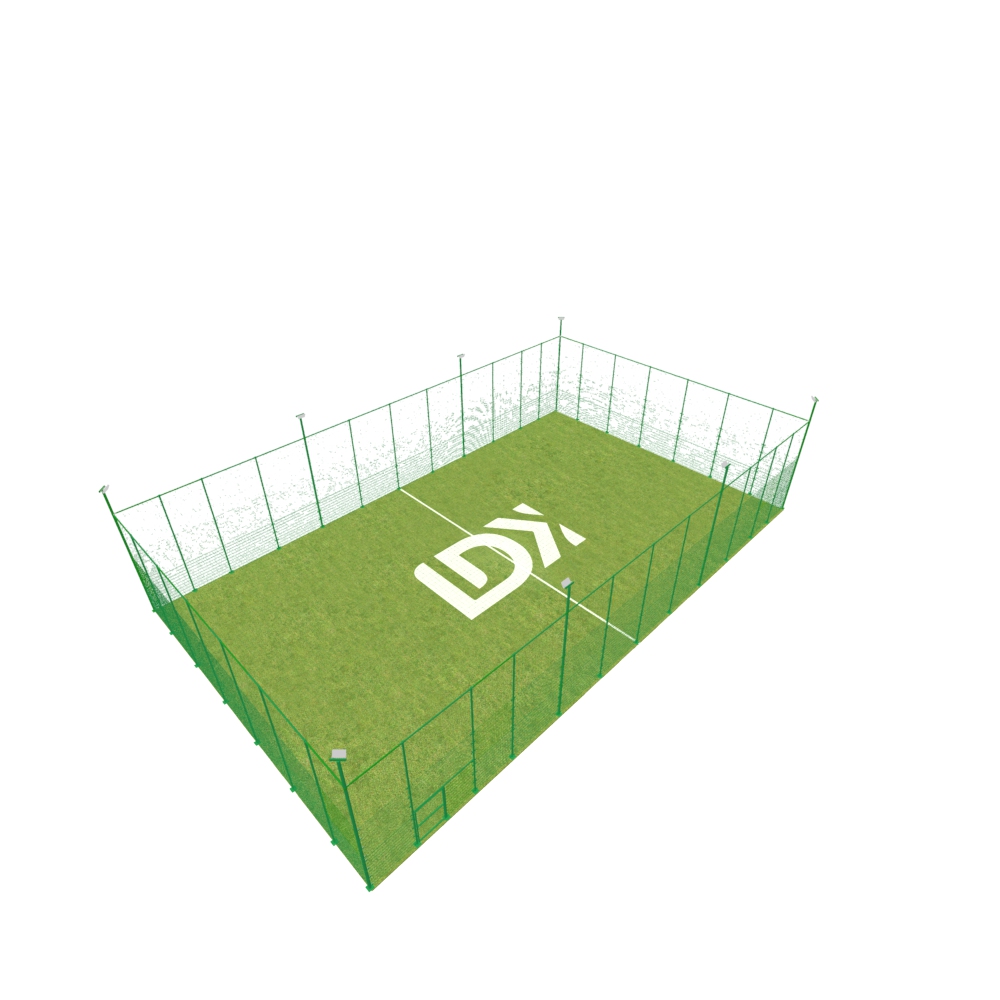
One of the most frequent technical inquiries in recent cross-border procurement highlights a specific nuance: the hauteur cage de football (height of the football cage).
In the past, standardized exports often ignored local constraints. However, data from recent European and North African market tenders suggest a divergence. While 3-meter fences remain standard for recreational parks, there is a surge in demand for 5-meter and above custom heights for high-density urban areas to prevent ball loss and ensure pedestrian safety.
For manufacturers and exporters, this means the “one-size-fits-all” inventory model is obsolete. The future of trade lies in modular engineering—systems that allow clients to adjust the height based on specific zoning laws in Paris, Dakar, or Berlin without redesigning the entire structure.
The Shift Indoors: A Year-Round Business Model
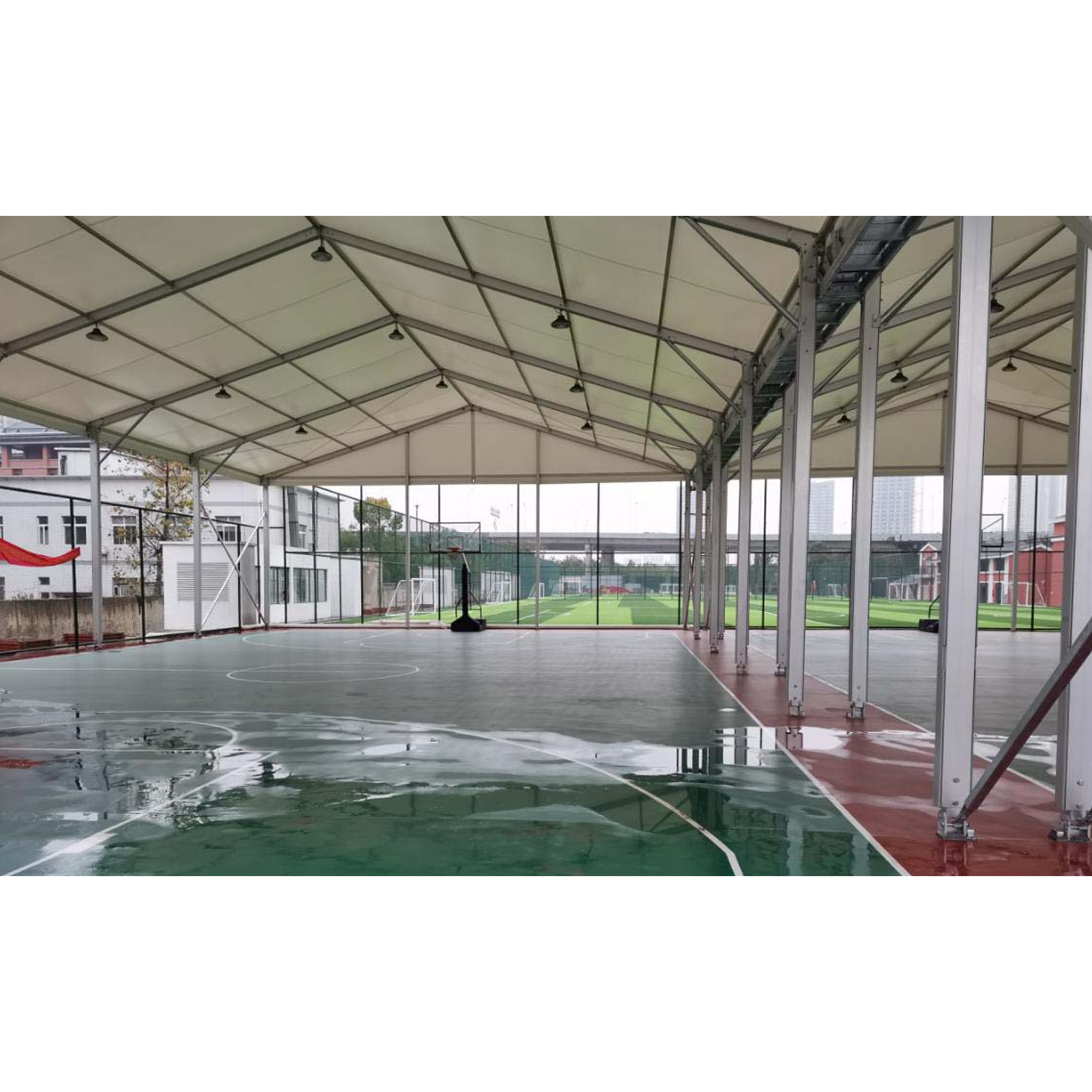
Climate change and the commercialization of sports venues have driven another significant trend: the explosion of indoor football cages.
Unlike their outdoor counterparts, indoor systems require a different set of trade considerations. Noise reduction, floor protection, and aesthetic integration become paramount. We are seeing a shift in procurement from purely functional galvanized steel to composite materials and “silent” fencing technologies.
From an operational perspective, the demand for indoor cages correlates strongly with the rise of “Pay-to-Play” commercial centers. Buyers are no longer just looking for equipment; they are looking for ROI (Return on Investment). An indoor cage that can be installed quickly and maintained easily is now a critical asset for business owners in the UK and Scandinavia, driving Chinese suppliers to optimize their installation guides and pre-assembly processes.
The Grassroots Movement: Small is Big
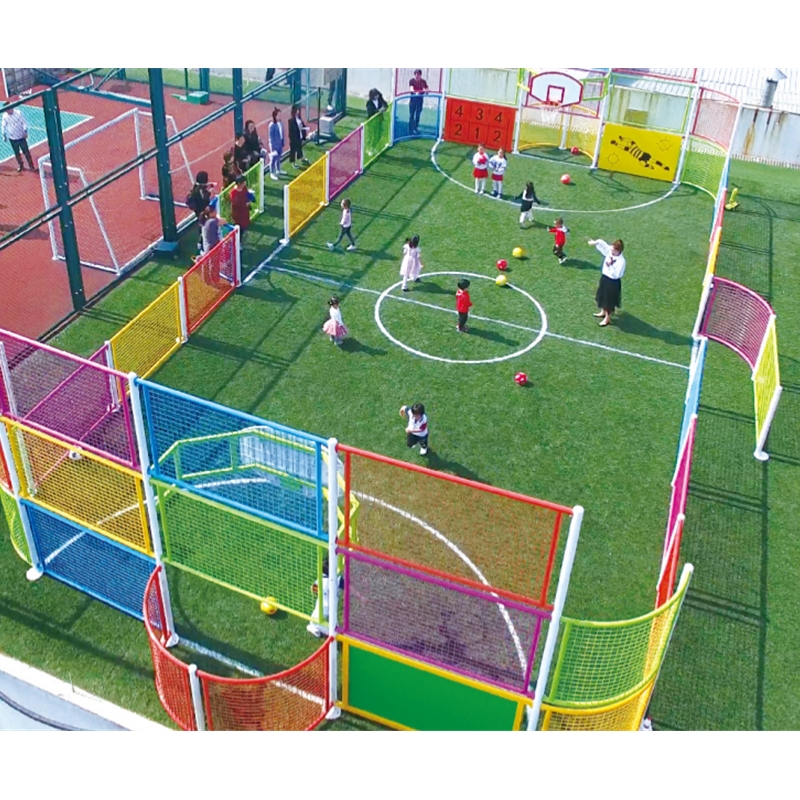
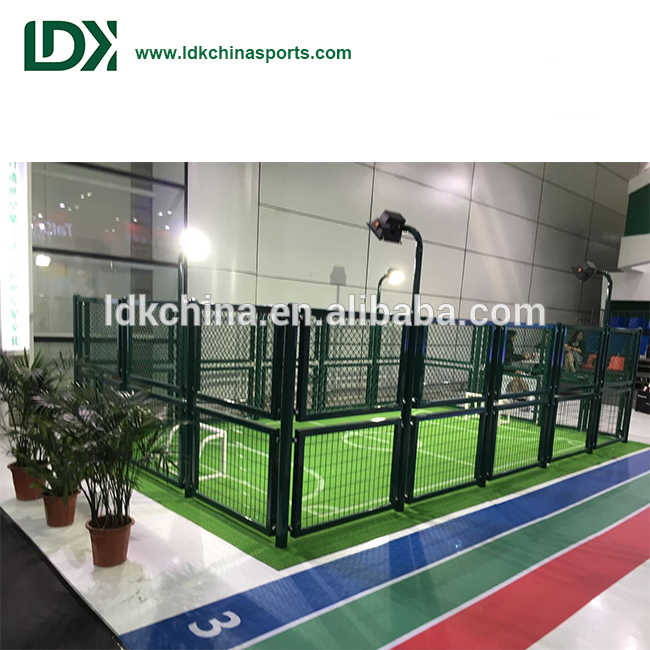
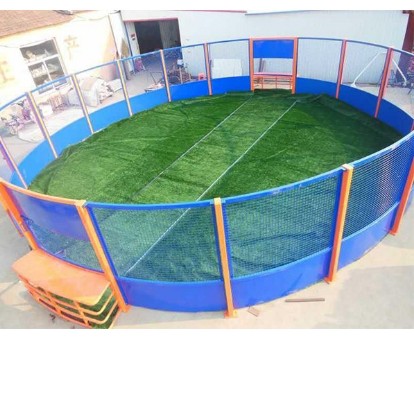
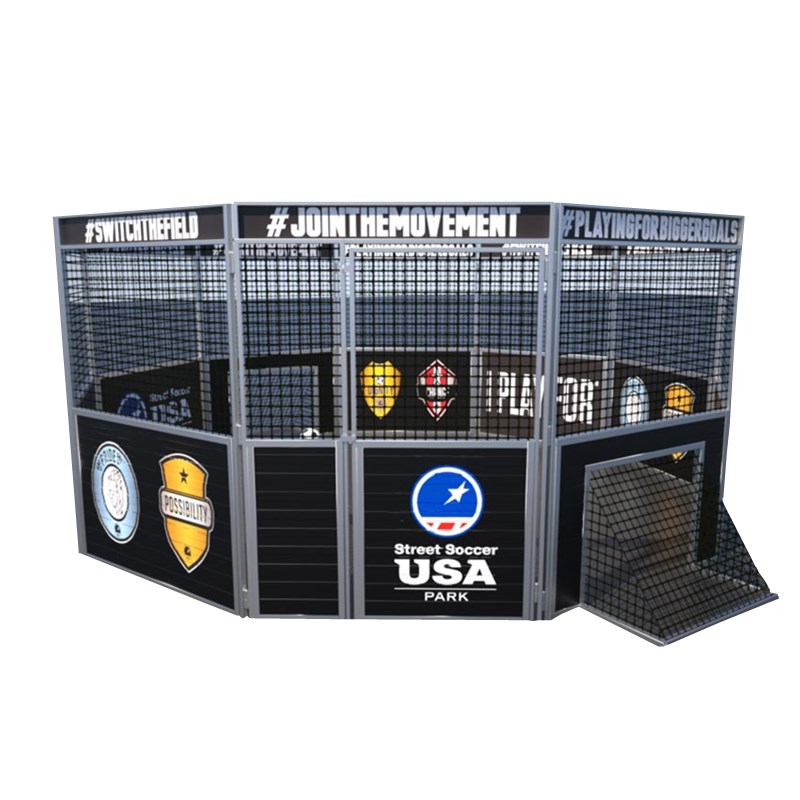
Perhaps the most interesting demographic shift is the “Panna” culture and youth training, fueling the market for the mini cage de football.
These aren’t just toys; they are professional-grade training tools compacted into smaller footprints. The trade data reflects a growing appetite from schools and private academies for these mini-pitches. They serve a dual purpose: technical training for elite youth players and accessible play areas for residential backyards.
For the supply chain, the “mini” category represents a high-frequency, lower-logistical-cost product line that complements the larger infrastructure projects. It opens doors to B2C (Business to Consumer) markets that were previously inaccessible to industrial manufacturers.
The Supply Chain of the Future
As we analyze these three keywords—height customization, indoor adaptation, and miniaturization—a clear picture of the future of sports trade emerges. The global market is no longer looking for mere “factories”; they are seeking “solution providers.”
The next phase of growth for Chinese sports equipment exports won’t come from price wars. It will come from the ability to understand that a hauteur cage de football in Marseille has different requirements than one in Dubai. It will come from delivering indoor football cages that maximize commercial revenue, and mini cage de football setups that inspire the next generation.
In this niche, responsiveness and customization are the new currency of international trade.
Publisher:
Post time: Jan-24-2026