When a sport moves from the elite to the general public, its space inevitably undergoes a morphological transformation. Paddy tennis is experiencing this process – evolving from a single standard court to miniature variations adapted to fragmented urban spaces, and customized solutions to meet cultural expression needs. Behind this spatial revolution lies a restructuring of global sports infrastructure trade flows.
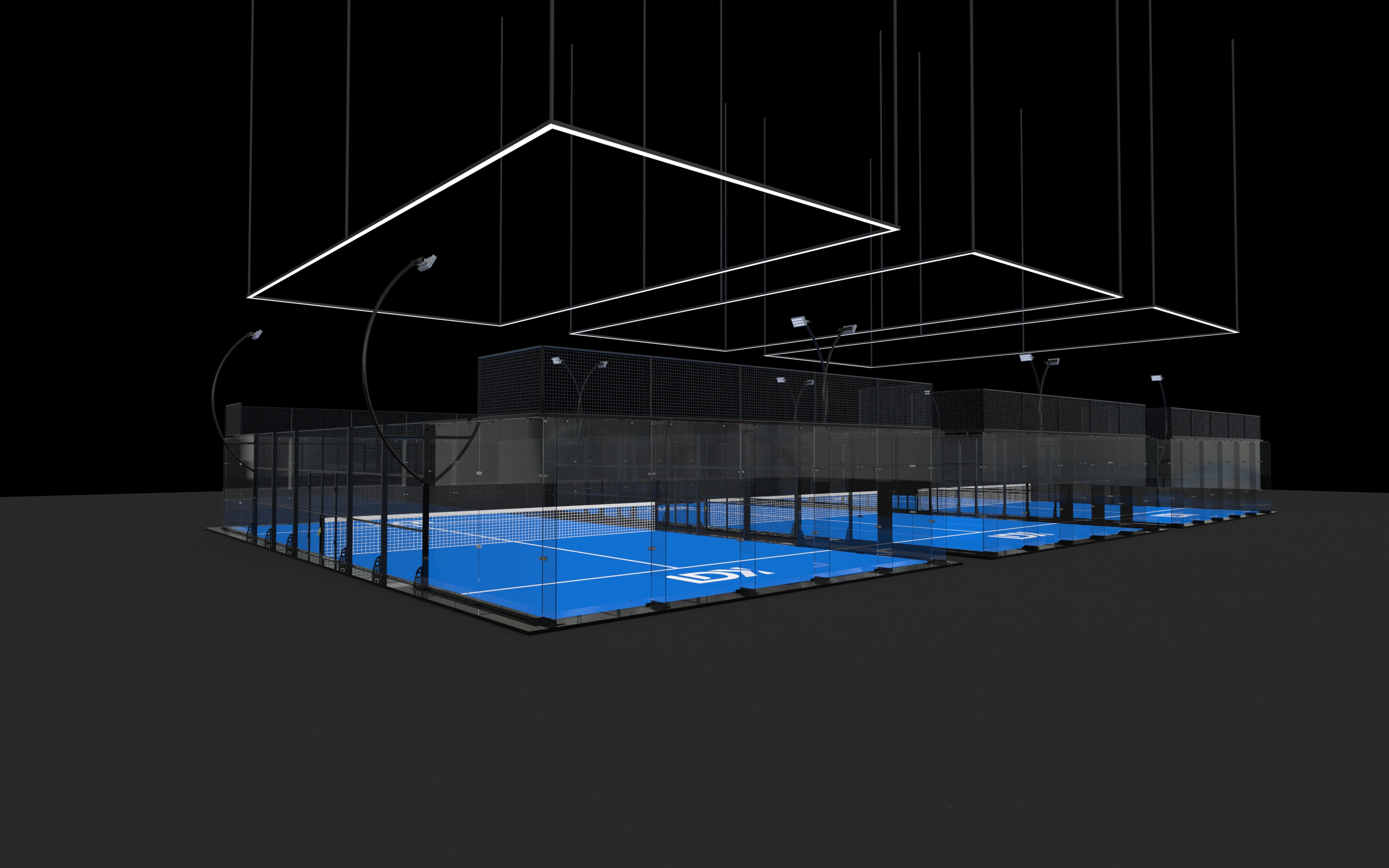
Professional Padel Court Installation Solution from Manufacturer
Part One: The Paradox and Evolution of Standardization
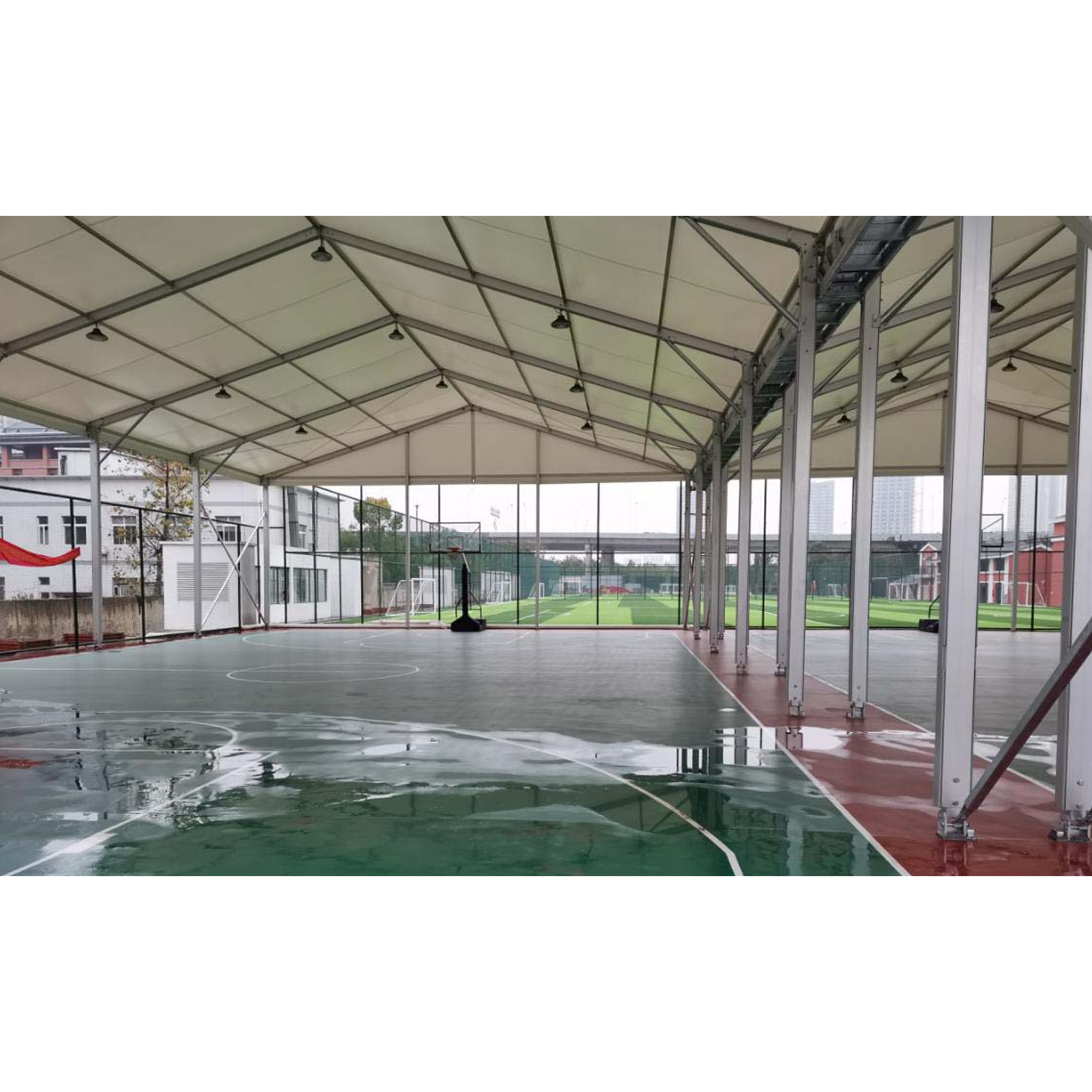
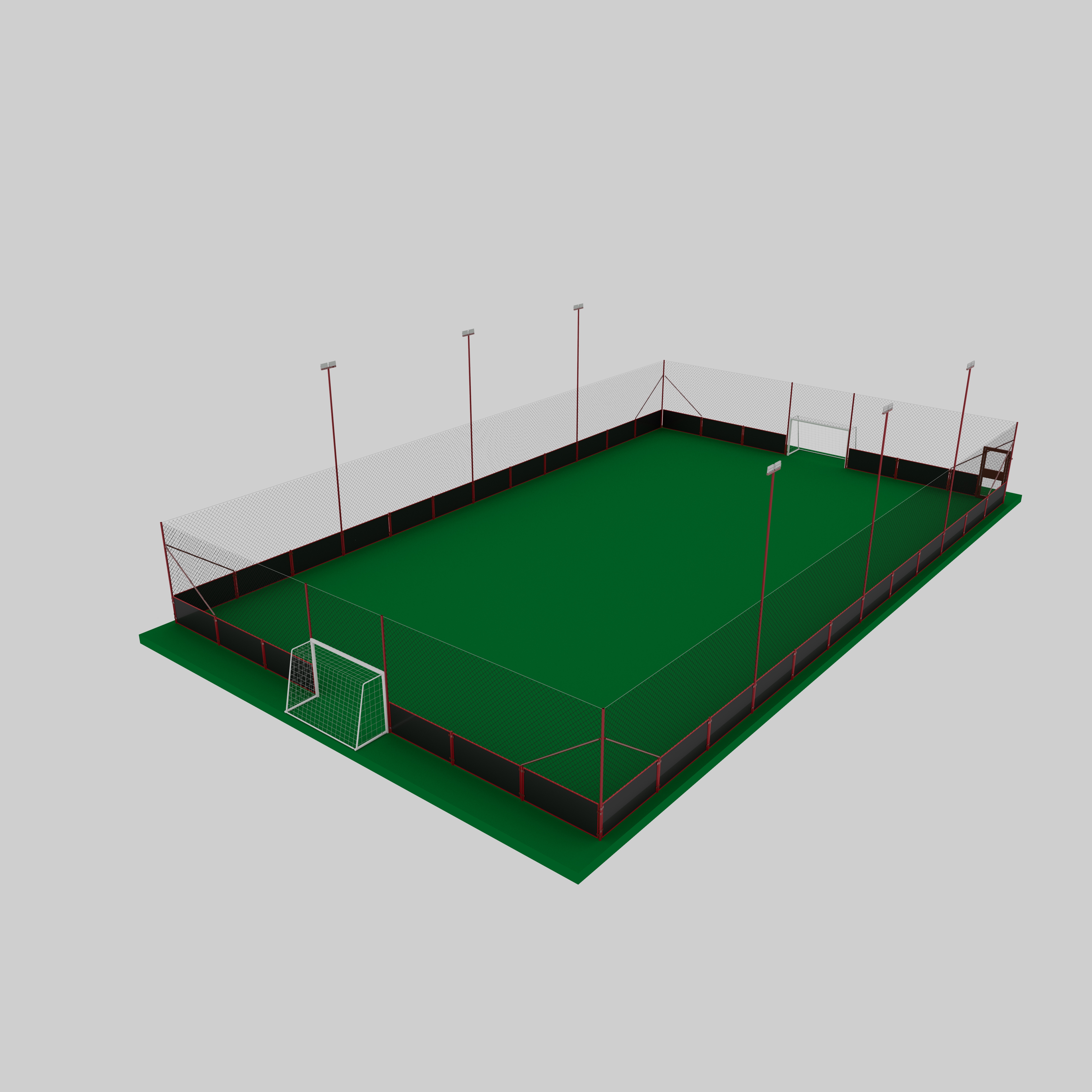
The dimensions of a standard paddy court – 20 meters long, 10 meters wide, and 6 meters high – were once the cornerstone of the sport’s globalization. It ensured fairness in competition and reduced the complexity of cross-border procurement. However, a 2023 technical memorandum from the International Paddy Tennis Federation revealed a subtle change: while maintaining the core court dimensions, it allowed for broader tolerances on the light transmittance of the court fencing material and the technical parameters of the ground cushioning layer.
“This is not a lowering of standards, but rather opening a window for technological innovation,” explained a member of the European Committee for Sports Architecture Standards. This means that the definition of “standard” in the future will shift from rigid absolute dimensions to precise performance parameters. For example, in the Middle East, standard courts may be equipped with higher-strength UV-resistant coated glass; while in Northern Europe, the emphasis is on the energy efficiency standards of the basic heating system. For manufacturers, exporting “standard products” will no longer mean immutability, but rather providing a “high-performance standard module library” adaptable to different environmental conditions.
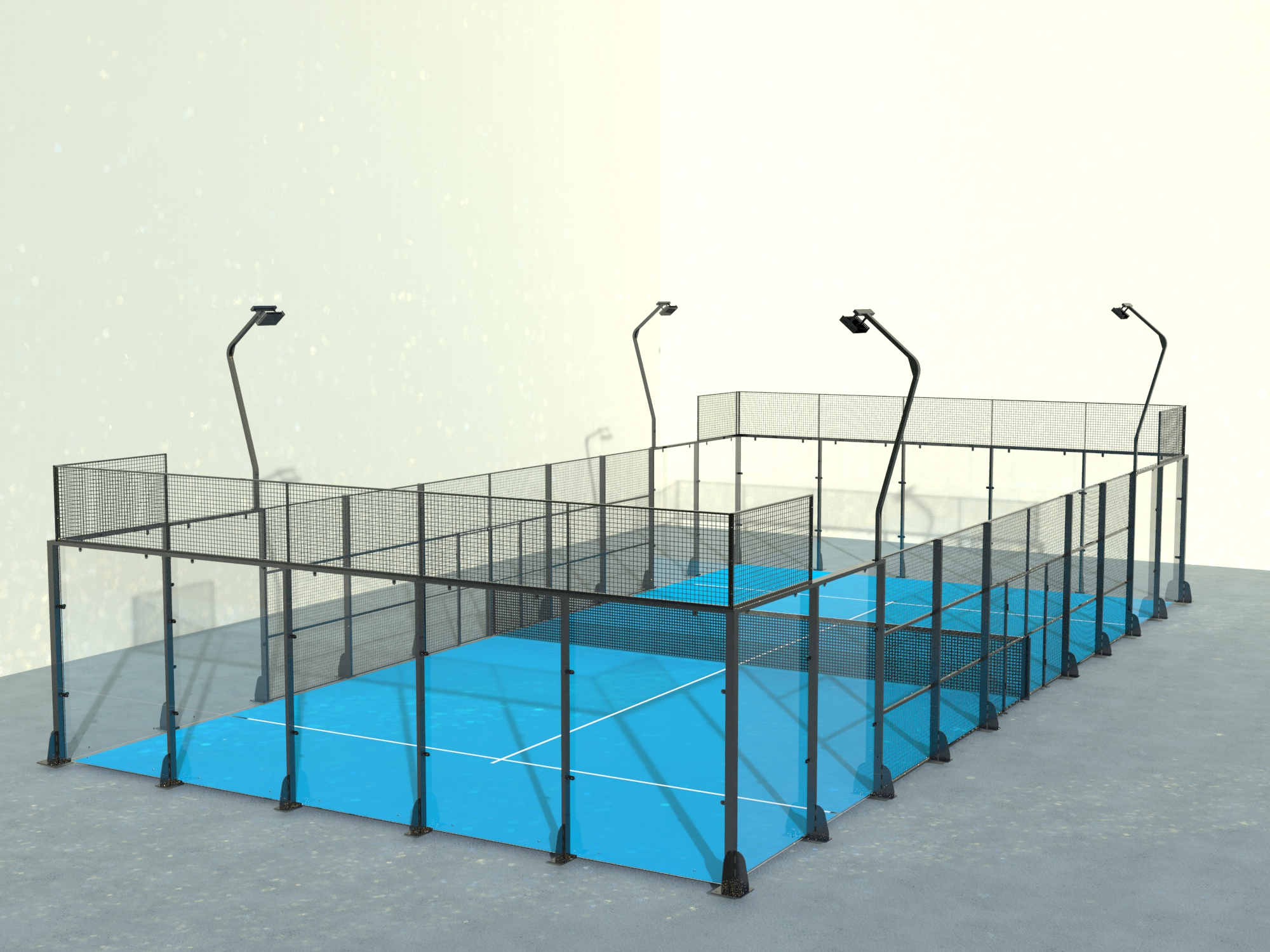
Outdoor Padel Court with Anti-Corrosion Steel Frame for Long-Term Use
Part Two: Miniaturization and the Reconstruction of Urban Space Syntax
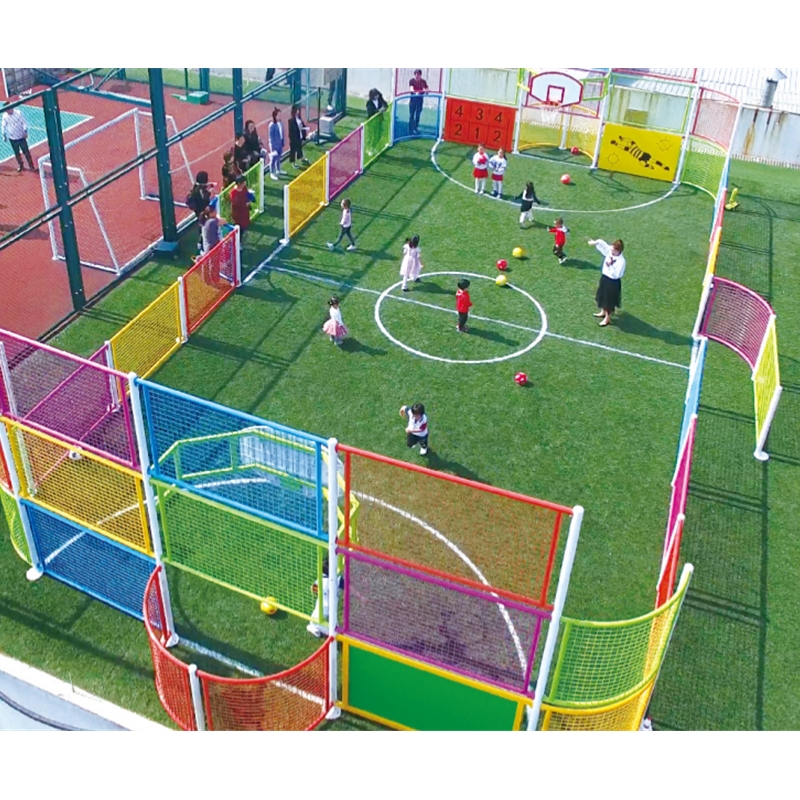
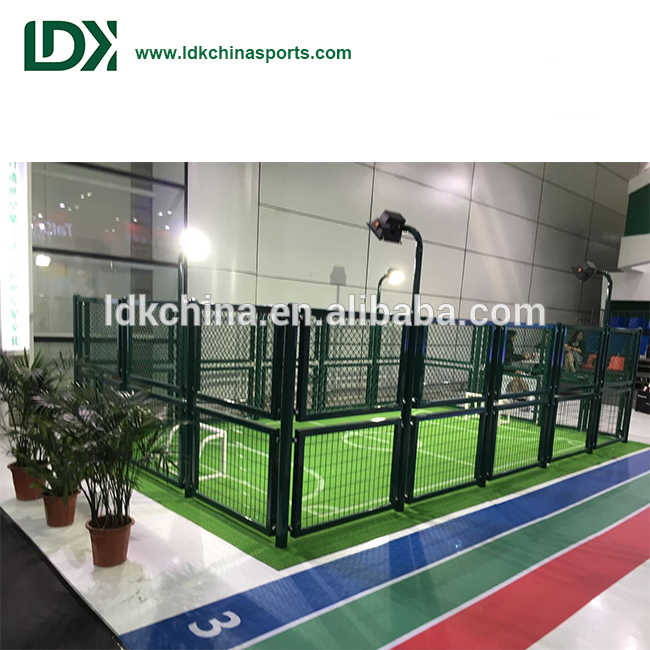
The rise of “Mini padel courts” is a product of the combined effects of democratizing sports consumption and the conflict between urban land use. Typically 70%-80% the size of a standard court, they account for nearly 40% of the number of newly added courts globally in the past year. They mainly appear in three scenarios: rooftop gardens of high-end residences, sky terraces of commercial complexes, and “leftover” plots in urban redevelopment projects.
The widespread adoption of this form is forcing a miniaturization revolution in the supply chain. Traditional monolithic steel structures are expensive to transport; therefore, modular, lightweight components that can be transported via standard elevators have become the core of the design. A recent design by a Japanese architecture firm showcases a small tennis court whose components can be assembled by two workers within a week. Its core wall panels are made of carbon fiber reinforced polymer, weighing only 60% of traditional fiberglass.
A more profound impact lies in its transformation of investment models. Small courts are no longer merely sports facilities, but rather gateways to traffic and social currency. In Barcelona, a mini-court club converted from a parking lot recouped its entire investment within 18 months through a membership subscription system and evening lighting rentals. This suggests that the future clientele of exporters will include not only sports operators but also real estate developers, hotel management groups, and commercial operation companies.
Part Three: Customization as a Vehicle for Cultural Expression
If “standard” concerns fairness and “mini” concerns efficiency, then “Custom-designed padel courts” concern identity and cultural narratives. This demand is shifting from private mansions to public landmarks.
The connotation of customization extends far beyond color and logo. In a project in NEOM (New City of the Future) in Saudi Arabia, the stadium’s glass walls were required to integrate interactive LED screens, transforming players’ shot trajectories into real-time light and shadow art. At a beachfront club in Miami, the stadium’s surface was made from a composite material derived from locally recycled seashell powder. These examples demonstrate that customization is moving beyond aesthetics to the fusion of materials science and digital interaction.
This presents unprecedented challenges and opportunities for Chinese manufacturers. The challenge lies in assembling interdisciplinary teams that integrate structural engineering, materials science, digital media, and even environmental design. The opportunity lies in the fact that, once delivery is complete, manufacturers will transform from “suppliers” in the supply chain into trusted “co-creation partners of technology and cultural solutions,” thereby gaining extremely high customer loyalty and brand premium.
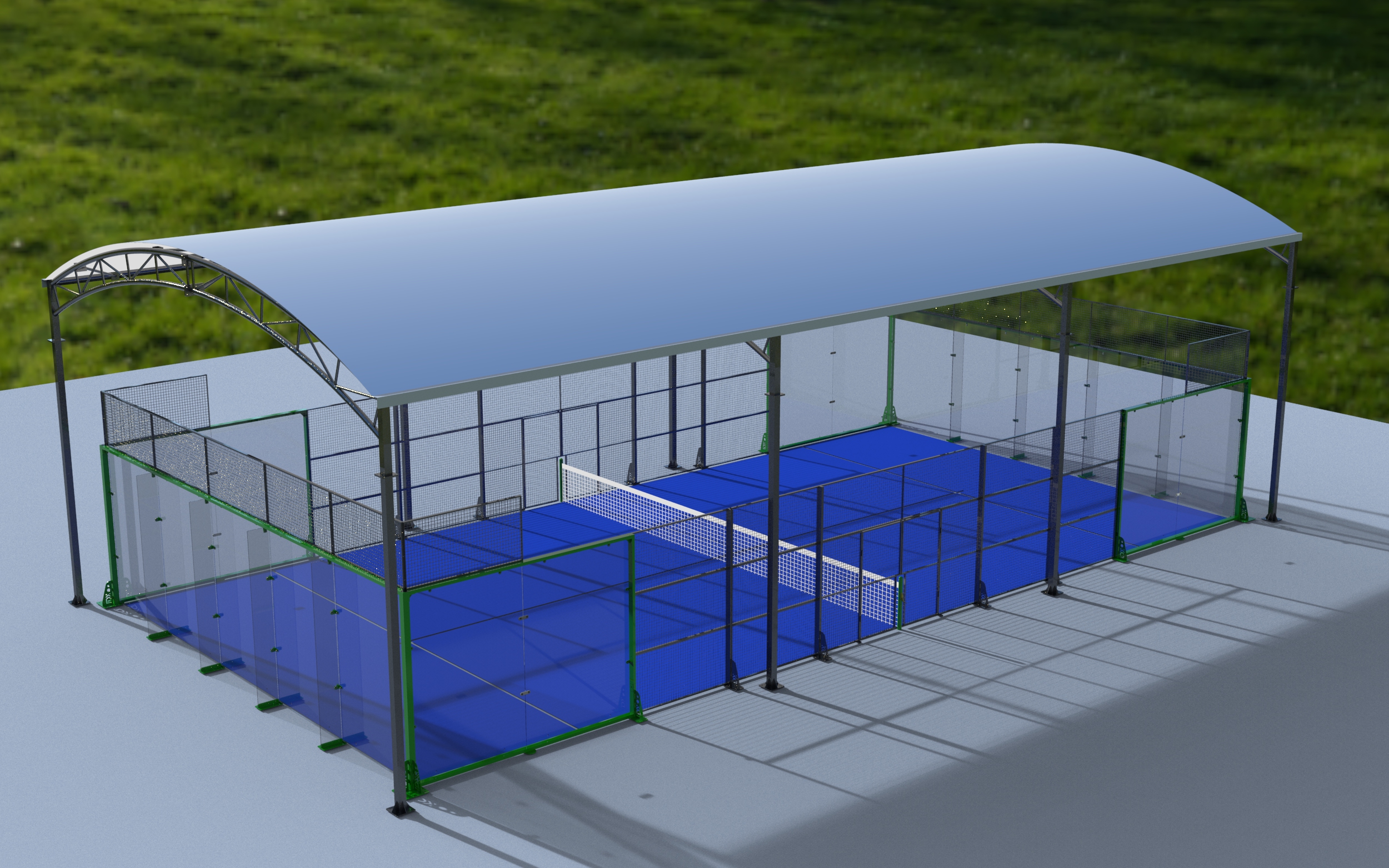
Part Four: Restructuring Trade Flows and Future Infrastructure
The parallel development of these three forms is reshaping global trade flows.
Logistics Models Diverge: Standard courts tend towards regional, localized production closer to consumer markets to reduce the transportation costs of massive glass and steel structures; mini-court components are better suited for globally centralized production and efficient distribution via containers; core modules for customized projects may be sourced globally, but final integration and on-site creation must be completed locally.
Service Value Shifts Forward: Profit sources are extending from simple hardware sales to front-end design consulting, performance simulation, and back-end digital content interface maintenance and sustainable material upgrade services.
Certification Systems Become More Complex: Future international procurement contracts may include not only product quality certifications but also carbon footprint tracking reports, material traceability certificates, and data security compliance proofs for interactive systems.
Looking to the future, paddleboard tennis courts will no longer be isolated sports containers. Standard courts are the benchmark unit for sports competitions, mini-courts are embedded nodes in urban life, and customized courts are three-dimensional declarations of brands and culture. What they have in common is that they all become new infrastructures connecting physical space with digital experiences, personal health, and community vitality.
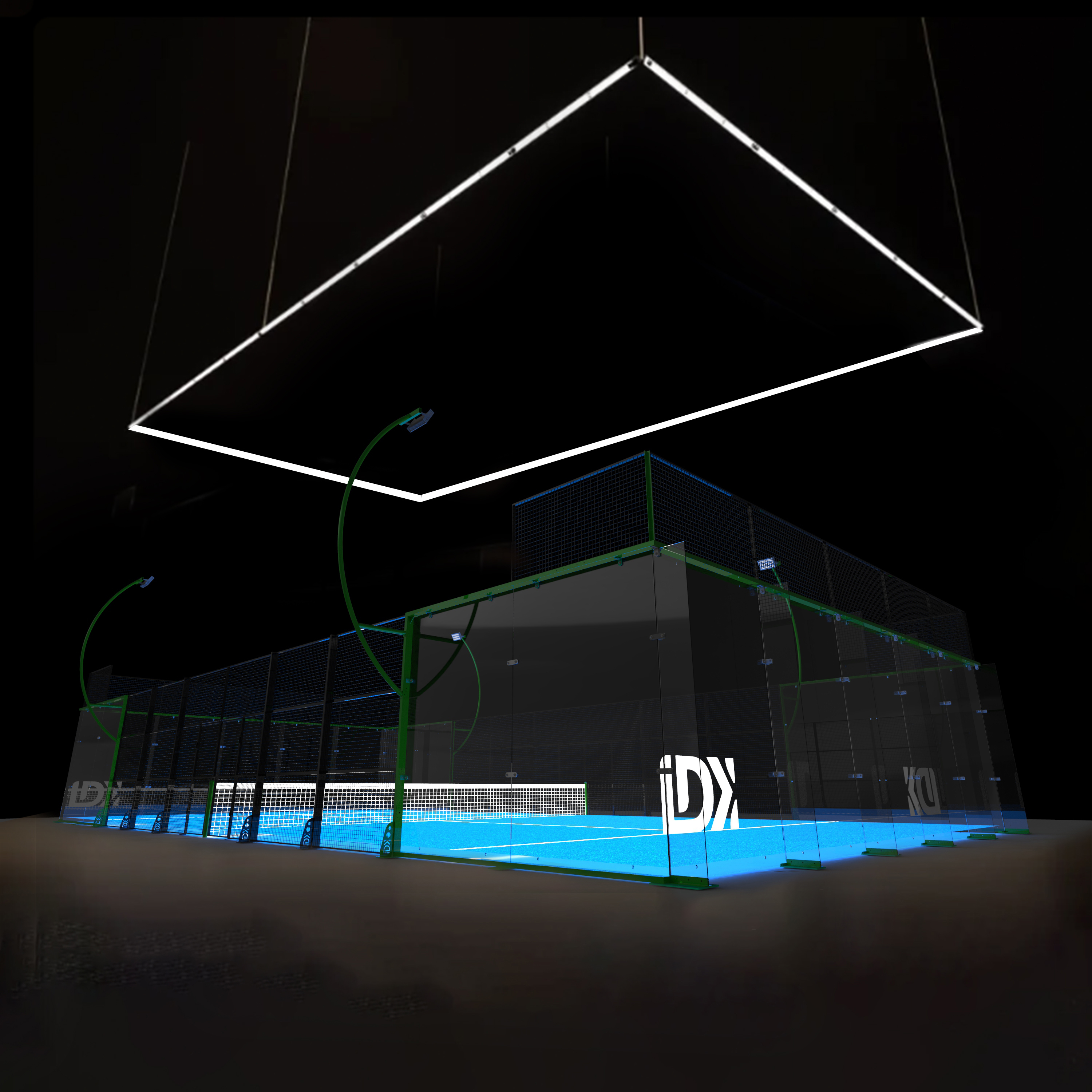
For global traders, understanding the different logics behind these three forms—the performance logic of standard courts, the spatial logic of mini-courts, and the cultural logic of customized courts—is more important than simply comparing prices. This spatial transformation sparked by a sport will ultimately test whether manufacturers and traders possess the comprehensive ability to integrate sports engineering, urban sociology, and cross-cultural design.
Publisher:
Post time: Feb-02-2026