When “football cage dimensions” becomes a frequently searched term in global sports facility procurement, and when searches for the French phrase “hauteur cage de football” (football cage height) have increased by 215% in the past year, this reveals not only the popularity of a sport, but also a global practice on how to efficiently utilize urban space. Cage soccer fields are evolving from non-standard street facilities into prefabricated building products with clearly defined engineering parameters.
The Economic Logic Behind Size Standardization
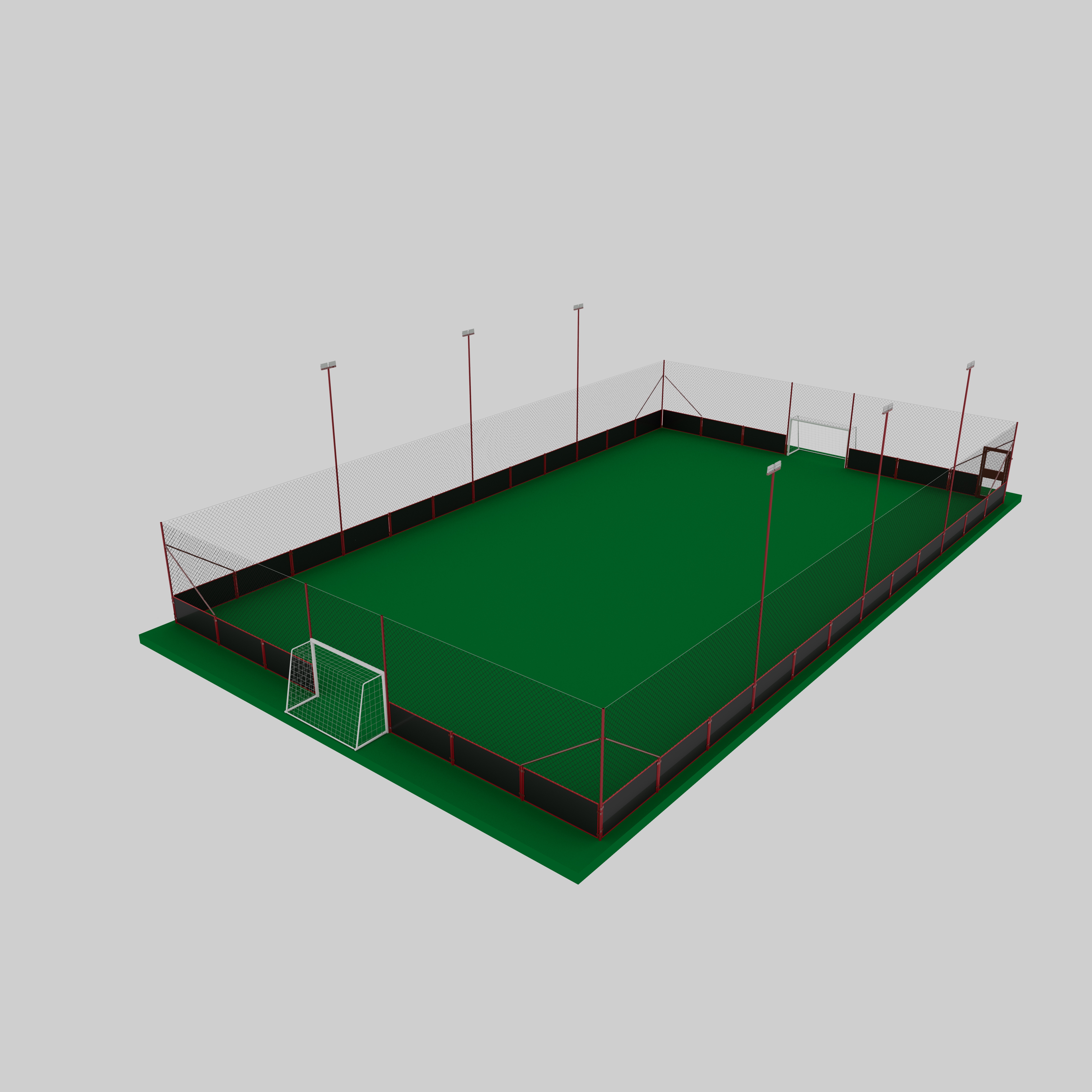
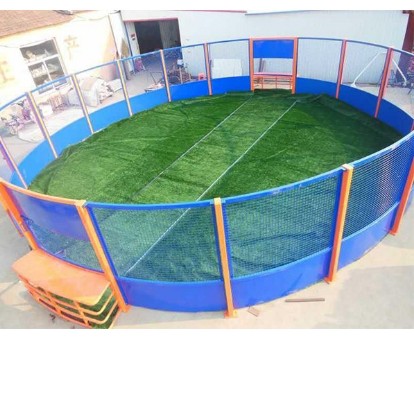
The core parameters of cage soccer fields are undergoing rapid standardization. The most mainstream match specifications are trending towards 30 meters long, 15 meters wide, and 4 meters high. This size is not accidental: while ensuring space for 5-on-5 matches, it happens to be the largest modular component size that can be efficiently transported by standard shipping containers. An innovation by Asian manufacturers in 2023 was designing the field frame as three standard 10-meter sections, allowing it to fit into a 40-foot container, reducing transportation costs by approximately 25% compared to the past.
“Size standardization directly lowers the technical barriers to international trade,” noted a sports facility importer from Rotterdam. “Five years ago, every order required renegotiation of technical drawings. Now, we simply specify ‘standard competition size’ or ‘compact training size’ in the procurement contract, and suppliers from China, Turkey, and Poland can provide compatible products. This has greatly accelerated the delivery speed of community projects.”
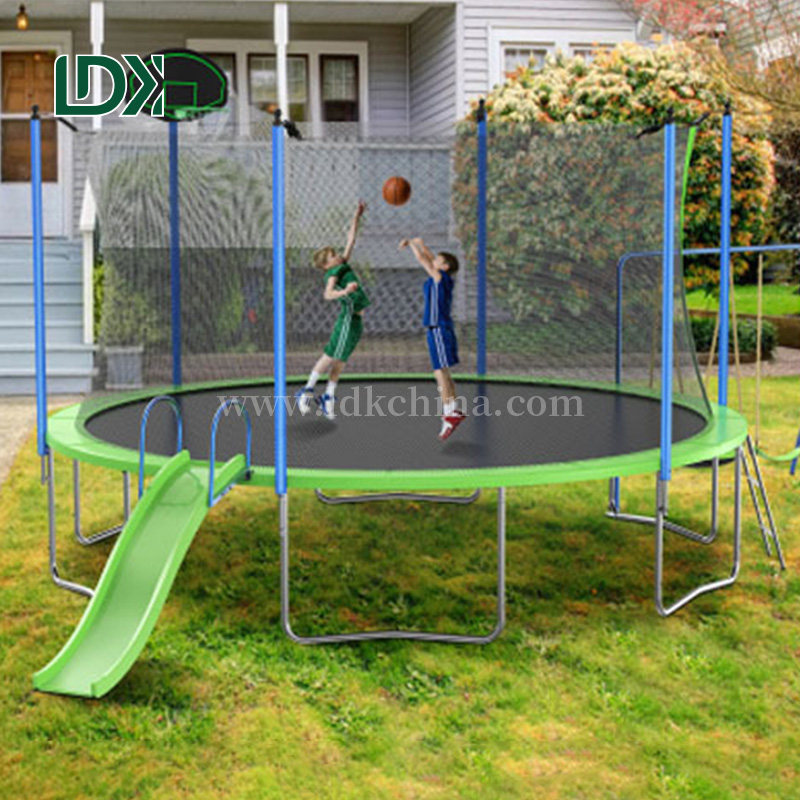
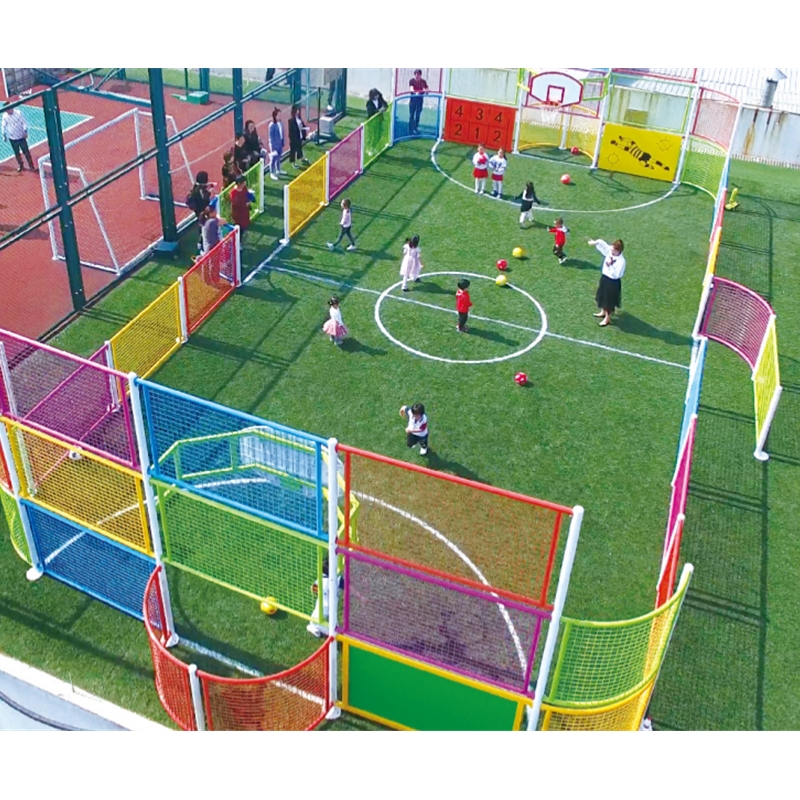
Customized sports equipment playground kids basketball soccer cage
How Regulations Shape Regional Markets
The surge in searches for “football cage” reflects the European market’s deep focus on safety regulations. The EU’s latest safety guidelines for outdoor sports facilities (EN 16517:2023) require detailed wind load calculations for all enclosed or taller football cages. This has directly spurred two product branches: one is low-drag perforated structures suitable for high-wind-pressure coastal areas, and the other is reinforced sloping-roof structures suitable for snowy regions of Northern Europe.
Regulatory differences are creating market segments. In France, many municipal projects require football cages to be lower than the windows of surrounding residential buildings to avoid privacy disputes, prompting suppliers to develop versions with adjustable heights up to 3.2 meters. In the Middle East, 5-meter-high structures with sunshades have become standard to prevent exposure to intense sunlight. This demand for regional customization is testing manufacturers’ flexible production capabilities.
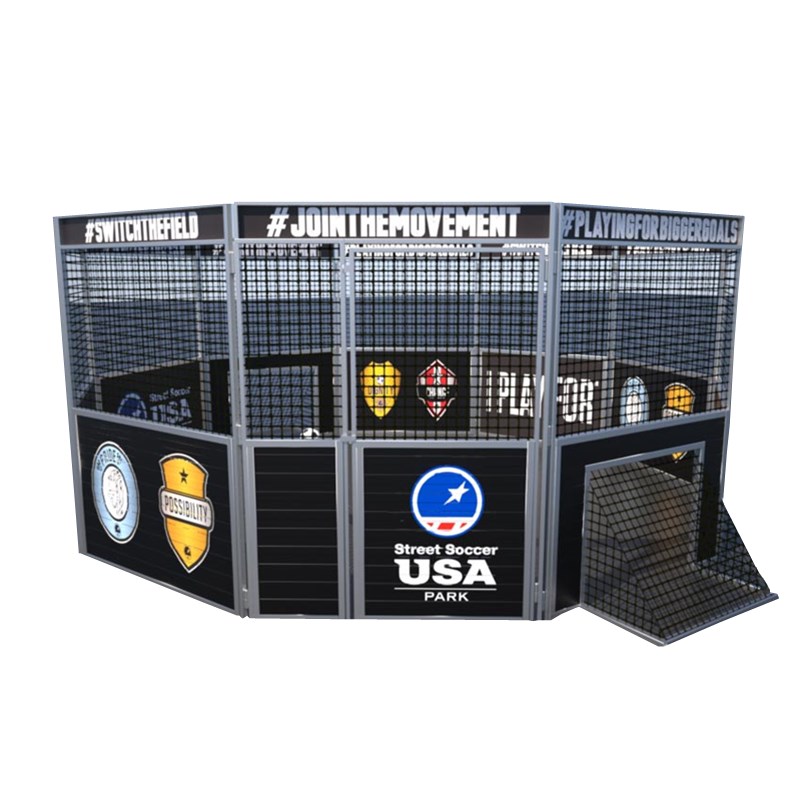
Indoor Transformation and Climate Adaptability
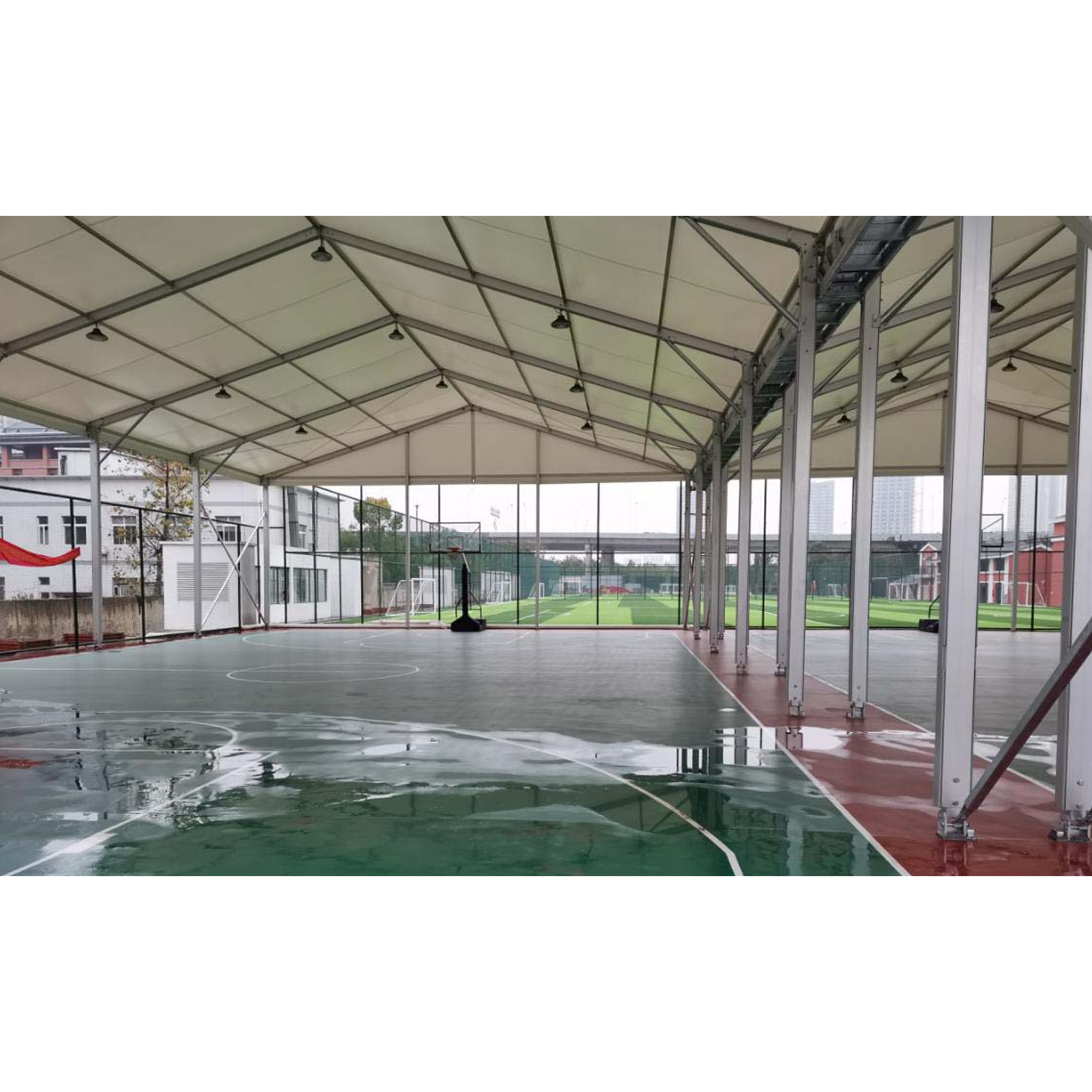
The rise of “indoor football cages” directly reflects the need for 24/7 operation of sports facilities. In London and Chennai, indoor football centers converted from old warehouses have become social hotspots for young people. Indoorization places new demands on materials: frames need higher fire resistance ratings (typically A2), fencing needs noise reduction designs to minimize reverberation, and the flooring system needs to strike a balance between shock absorption and ease of cleaning.
A more profound impact lies in climate-responsive design. A project in Stockholm adopted a retractable dome design, transforming it into a temperature-controlled indoor stadium in winter and a well-ventilated semi-outdoor space in summer. This multi-functional transformation increased its annual utilization rate by three times. Manufacturers are making “climate-responsive design” a core selling point for their next-generation products.
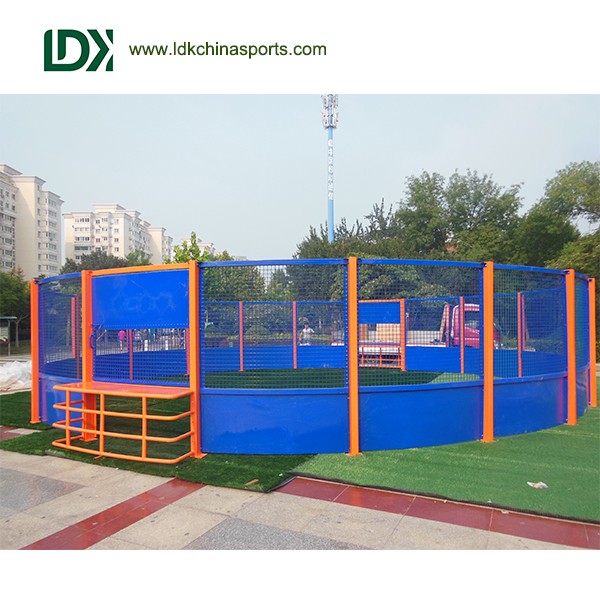
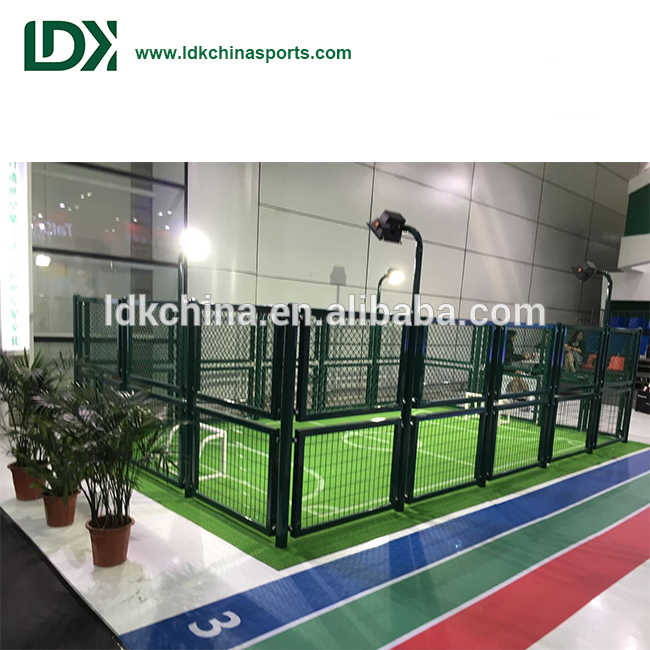
Top quality steel cage soccer cage football for sale
Foreign Trade Data Reveals Supply Chain Shifts
Customs data shows that in 2023, Chinese-made products accounted for approximately 65% of global cage soccer field frame exports. However, the fastest-growing segment was “high-end customized systems,” with an annual growth rate of 120%, primarily driven by Italian and German engineering companies. This indicates a new division of labor within the global supply chain: Asia handles the large-scale production of standardized modules, while Europe focuses on high-end customization and complex system integration.
An emerging trend is the widespread adoption of the “Engineering, Procurement, and Construction” (EPC) model. Large international contractors (such as BAM or Bouygues) are beginning to directly procure complete cage soccer solutions from manufacturers and handle on-site installation. This requires manufacturers to not only provide products but also installation technical standards, maintenance manuals, and digital twin models. Foreign trade transactions are shifting from commodities to composite packages of “goods + services + data.”
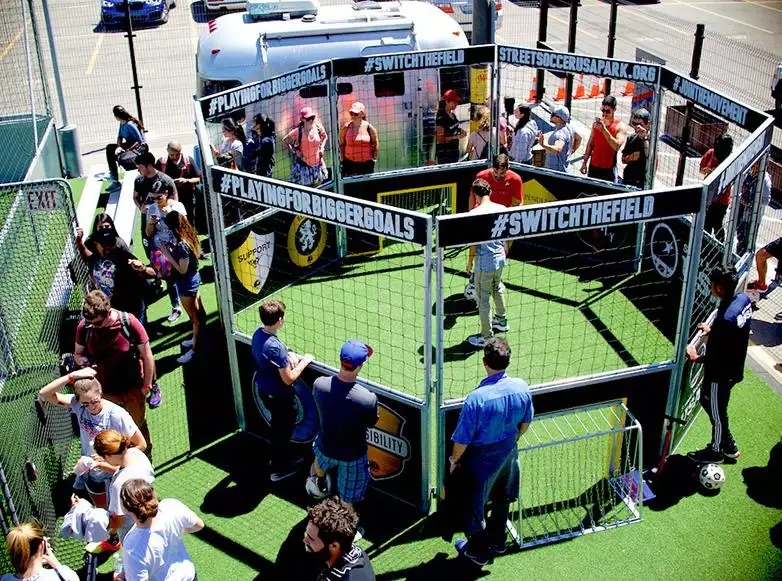
Customized sports equipment playground kids basketball soccer cage
The Community-Based and Data-Driven Future of the Sports Industry
The popularity of cage soccer is essentially a microcosm of the global shift in urban sports facilities from “large landmarks” to “embedded networks.” Its future development will unfold along two main lines:
Community Integration: Deeply integrating with community centers, schools, and rooftop parks, becoming a standard feature of the 15-minute living circle.
Data-Driven Development: Integrating player tracking cameras and motion sensors to provide real-time data feedback, upgrading from a simple sports space to a “fitness and social data platform.”
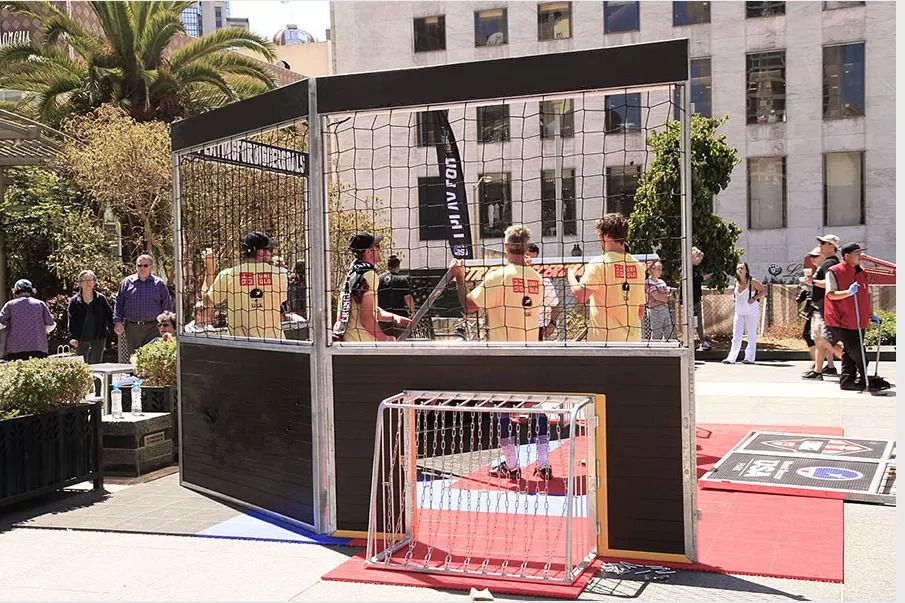
Outdoor Soccer Fence Sports Court Equipment Panna Football Field Fence Mini Football Pitch
For global traders and manufacturers, understanding cage football is no longer just about selling a metal frame, but about providing a “city sports space solution” adapted to local regulations, climate, culture, and operational needs. This transformation of sports facilities, defined by size, height, and setting, will ultimately test whether the supply chain can find a precise balance between standardized efficiency and regional customization.
Publisher:
Post time: Feb-04-2026