[Industry Outlook] Looking back from the vantage point of 2026, the global sports industry is currently undergoing a period of dramatic transformation. As the 2028 Los Angeles Olympics (LA28) enters its two-year countdown, Squash—the “King of Indoor Sports” that long lingered outside the Olympic gates—is experiencing a remarkable commercial metamorphosis: shifting from a “niche elite” pursuit to a “mass-market blue ocean” opportunity following its official confirmation as an Olympic sport.
For sports venue investors, club operators, and international sports equipment suppliers, this represents far more than just the addition of a new discipline; it is an industry-wide feast centered on optimizing spatial efficiency, redefining user demographics, and implementing intelligent technological upgrades.
I. Current Trends: How Will the “Olympic Dividend” Ignite the 2026 Sports Market?
The year 2026 has been dubbed the “Inaugural Year of Squash Infrastructure” by industry insiders. The most immediate impact of the sport’s inclusion in the Olympics is not merely the competition for gold medals, but rather a surge of “revenge-style” investment in squash infrastructure on a global scale.
1. The Policy-Driven “Breakout” Effect
Driven by the momentum of its Olympic inclusion, sports authorities and education departments across various nations began incorporating squash into their youth physical education curricula in 2026. This shift—cascading from the highest levels of policy-making down to school campuses—has directly resulted in a supply-demand imbalance for professional-grade squash courts. According to industry forecasts, the shortage of squash courts in the Asian and North American markets is expected to exceed 35% in 2026.
2. Capital Market Revaluation
Due to its exceptionally high penetration rate among “high-net-worth individuals,” squash has long been a favorite within the finance and technology sectors. Following its inclusion in the Olympics, the roster of sponsors has rapidly expanded beyond traditional sports brands to encompass new energy vehicles, high-end wealth management services, and premium consumer electronics. This influx provides club owners with both the robust financial backing and the steady sponsorship cash flow necessary for the construction of new facilities and the expansion of existing ones.
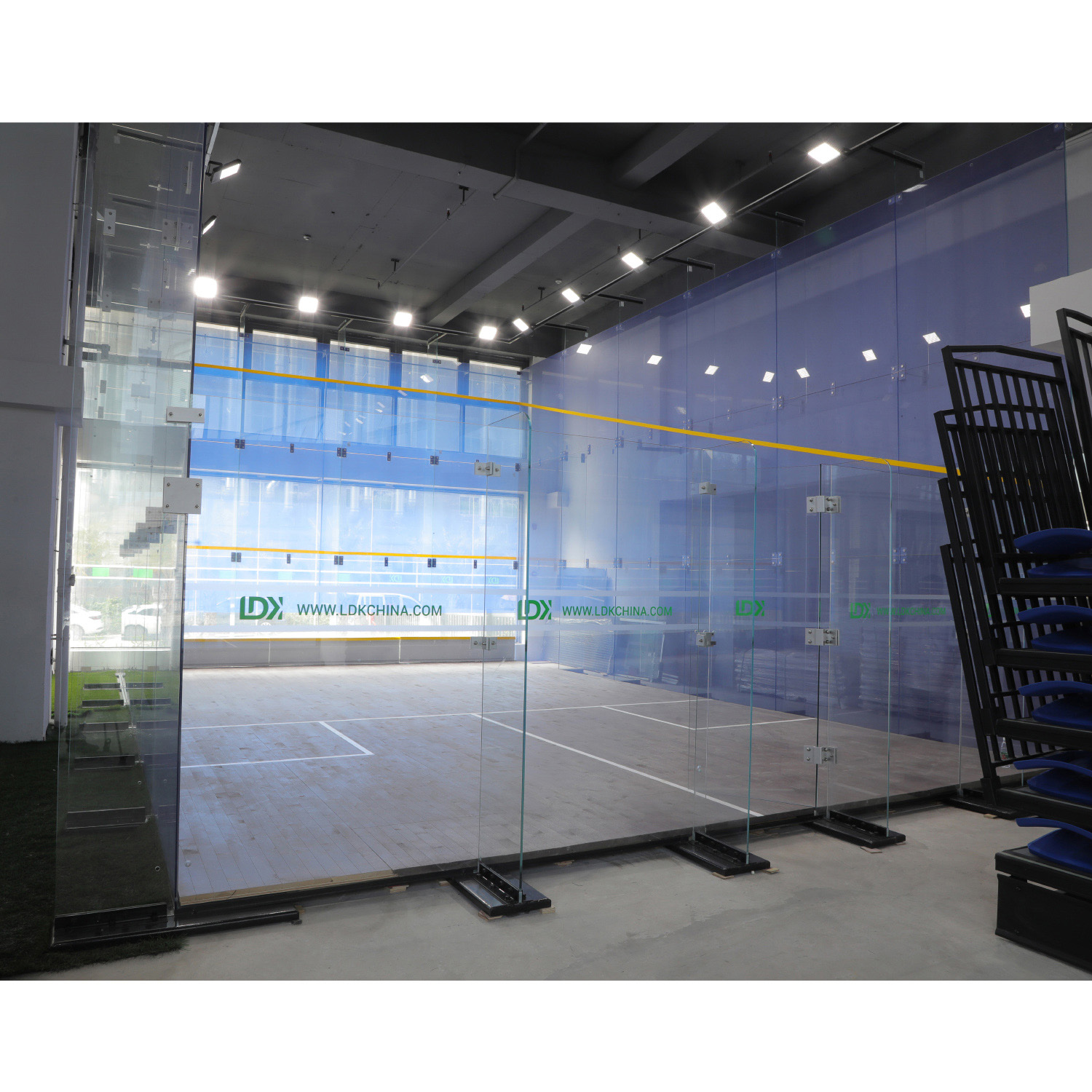
II. An Explainer: Why Are Squash Courts the “Kings of Spatial Efficiency” in Urban Environments?
Before embarking on new construction plans, investors must fully grasp the core appeal of squash as a sport, as well as its unique physical characteristics. What makes squash poised to become the premier choice for urban sports activities in 2026? Exceptional Calorie Expenditure Ratio: Exercising on a squash court for one hour burns 2.8 times the calories of tennis and 3.5 times those of jogging. In an era of fragmented consumption, this form of “high-efficiency fitness” aligns perfectly with the time-conscious mindset of urban elites.
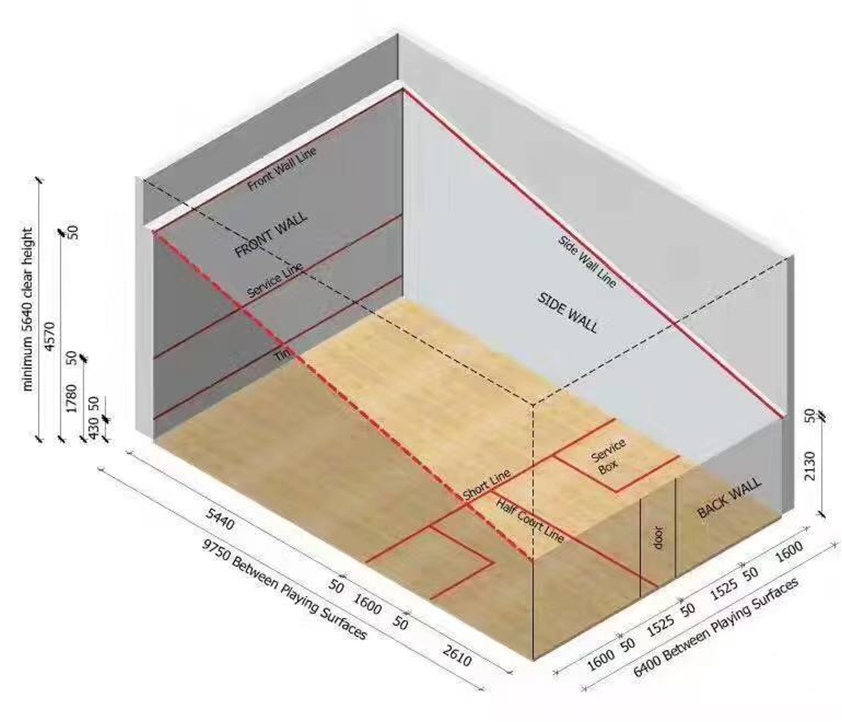
The Art of Spatial Utilization:A standard squash court occupies an area of only about 62 square meters. In a CBD—where land is at a premium—a yoga studio of the same size might accommodate only 10 people and offer limited potential for premium pricing. In contrast, a squash facility—through high-frequency hourly rentals, specialized private coaching sessions, and tiered membership structures—generates a revenue per square meter that far exceeds that of almost any other indoor sport.
III. In-Depth Commercial Model Analysis: How to Double Revenue Through Expansion and Operations?
In response to your request to replace tabular data with a narrative description, we have undertaken a thorough logical restructuring of the squash facility’s profitability model. For modern clubs, revenue growth no longer relies solely on “court rentals,” but rather on the establishment of a multi-dimensional revenue-enhancement ecosystem:
1. Flexible Space Conversion and the “Court-within-a-Court” Strategy
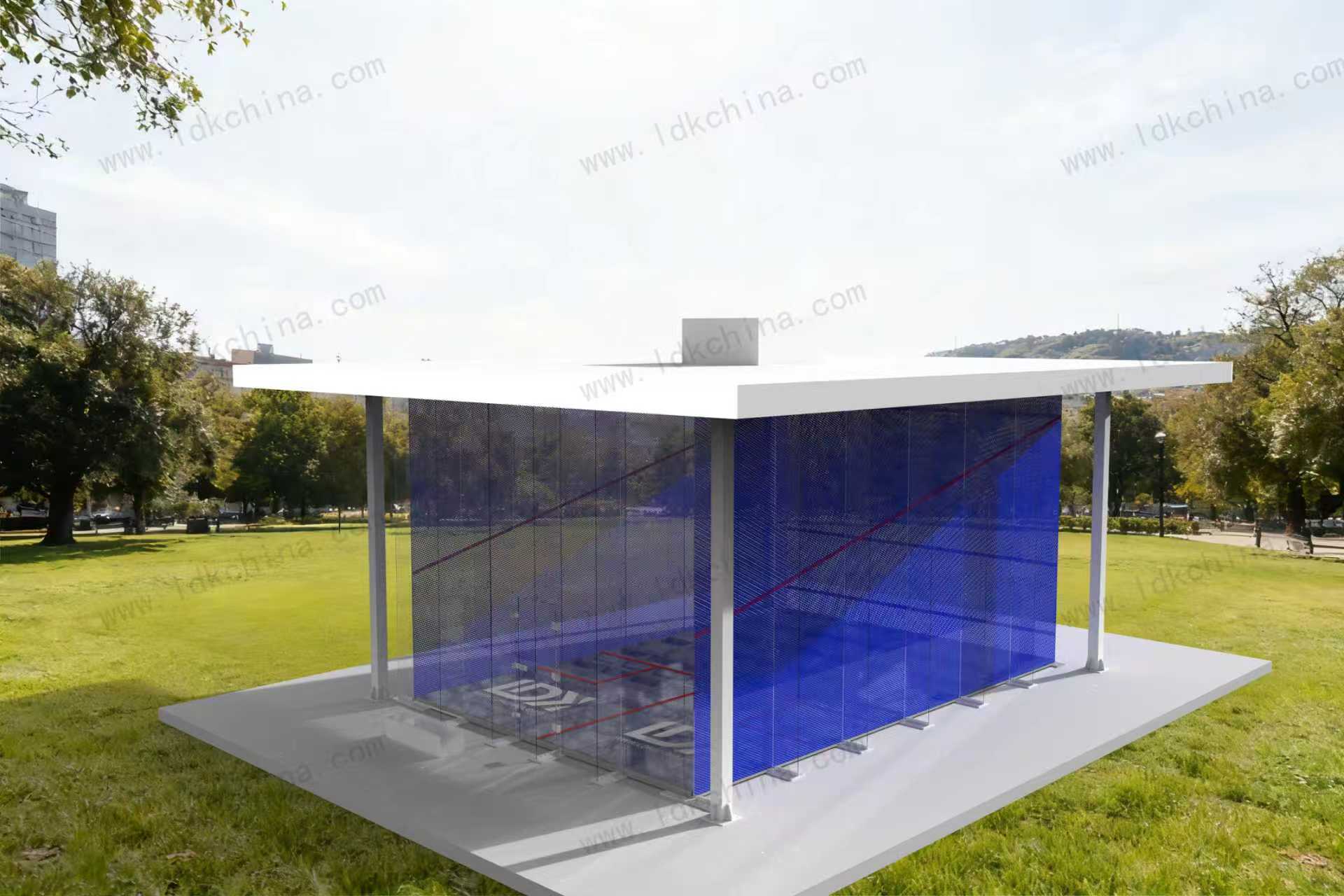
During the expansion process, the prevailing trend for 2026 involves the adoption of “removable” or “movable wall” systems. This allows the facility to rapidly switch between singles and doubles court configurations based on daily demand. More importantly, by utilizing the four walls of the squash courts for interactive digital projection (such as *Interactive Squash*) during off-peak hours, the facility can diversify into cross-disciplinary offerings—such as children’s fitness training—thereby reducing court idle rates during morning and midday hours by over 40%.
2. Transitioning from “Rental Fees” to “Member Lifetime Value”
Traditional squash facilities derived revenue solely from hourly court rental fees. Following the sport’s inclusion in the Olympics, sophisticated clubs have begun implementing “tiered membership systems” to secure long-term revenue streams. Expanded facilities are typically equipped with high-end social lounges, physical therapy and recovery zones, and sports nutrition stations. Under this model, a member’s total revenue contribution is composed of: Basic Court Rentals (30%) + Professional Coaching Sessions (40%) + Tournament Entry & Community Events (15%) + Retail Merchandise & Nutritional Supplements (15%). This diversified structure significantly enhances the facility’s resilience against market risks. 3. The Premium Value of Sports Event IPs
If the expanded venue meets the broadcasting standards set by the WSF (World Squash Federation), it acquires the capability to host regional tour events. The introduction of such events generates not only direct revenue from registration fees and ticket sales but also—through naming rights, revenue sharing from short-form video content, and sponsor placements—facilitates a transformation from a mere sports facility into a “sports media hub.”
IV. Expansion and New Construction Guidelines: Technical Specifications for 2026 Standards
If you are currently planning to build a new venue or expand an existing one, the following three dimensions are critical to ensuring your project remains relevant and does not become obsolete:
1. The “Socialization” Upgrade of Glass Wall Systems
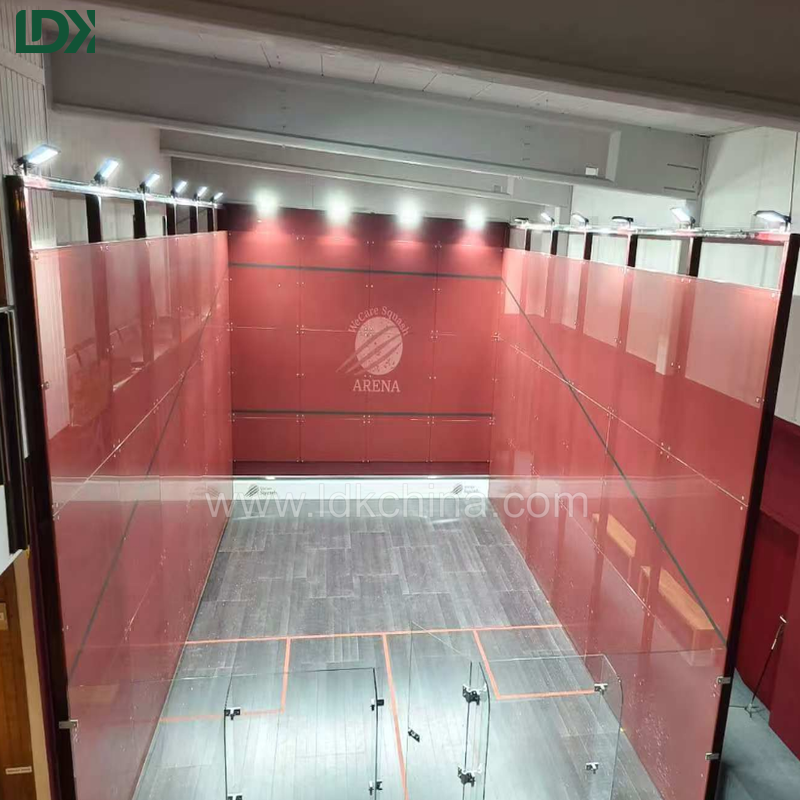
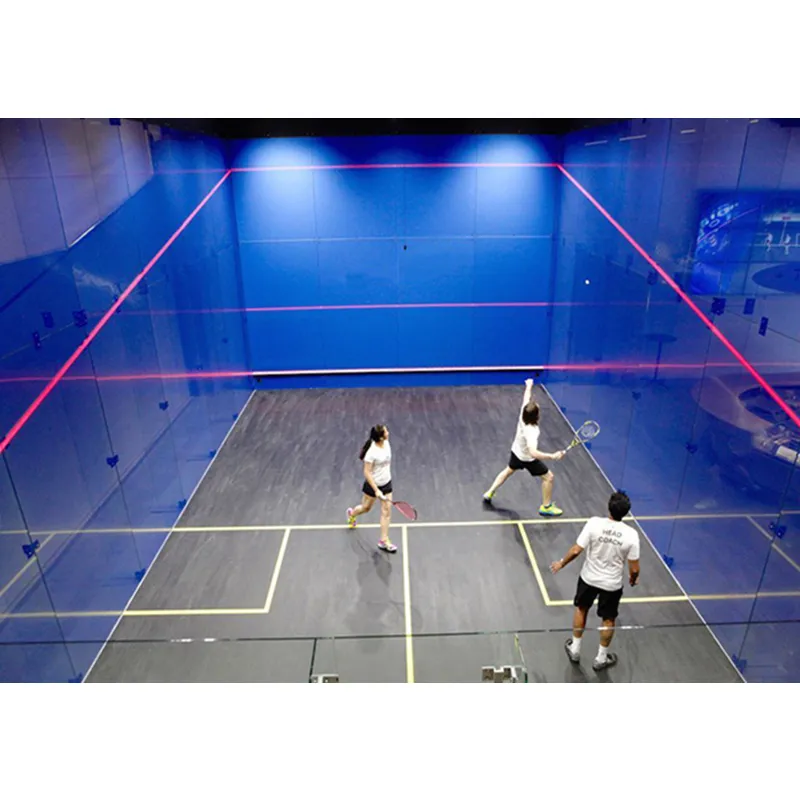
Traditional masonry walls are being replaced by “panoramic glass back walls.” This shift serves not only to meet Olympic-level broadcasting requirements but, more importantly, to endow the venue with “spectator appeal.” A key trend for 2026 is the adoption of backlit LED glass, capable of displaying real-time data such as ball speed, shot placement, and player heart rate. This high-tech aesthetic serves as a core asset for attracting high-end members and justifying premium pricing for club services.
2. Flooring Systems: A Club’s “Core Asset”
Never skimp on your budget when it comes to wooden flooring. Expanded venues must install professional, resilient maple flooring featuring a multi-layer shock-absorption structure. Given that squash involves frequent sudden stops and rapid changes in direction, the flooring’s friction coefficient and resilience directly determine the longevity of a member’s playing career—and, by extension, their level of trust in the club.
3. Intelligent, Unmanned Operations Solutions
In the face of rising labor costs, new venues built in 2026 should come standard with intelligent turnstiles, AI-driven automatic video recording and editing systems, and motion-sensing lighting. Members can use a mobile app to handle everything from booking courts and activating lights to recording matches and instantly generating short video clips for sharing on social media platforms. This “self-service” experience not only reduces operational overhead but also leverages digital technology to significantly boost user engagement.
V. Conclusion: Seizing the Wealth Opportunity Ahead of the 2028 Olympics
Squash’s inclusion in the Olympics marks not an end point, but rather a brand-new commercial starting line. In 2026—a “golden window” for infrastructure development—the club, through scientific expansion planning and an upgraded operational model, will be poised not only to capitalize on the impending Olympic dividends but also to stand invincible amidst the fierce competition for urban space.
Much like the sport of squash itself—played within a confined space, where the most powerful shot is struck through agile changes of direction and keen anticipation—the current layout of the venue has been meticulously designed to welcome that moment in 2028 when the arena erupts in thunderous applause.
Publisher:
Post time: Apr-27-2026