As the sport of pickleball rapidly gains popularity worldwide, an increasing number of schools, community sports centers, and commercial clubs are beginning to construct dedicated pickleball courts. In the context of venue construction, the selection of surface materials is critical to the athletic experience, the longevity of the facility, and the return on investment. Currently, the market offers two primary types of surface materials for pickleball courts: PVC sports flooring and acrylic coatings. Understanding the differences between these two options—specifically regarding durability, cost-effectiveness, maintenance requirements, and suitability for various settings—is essential for investors and venue operators seeking to formulate the optimal construction plan.
I. PVC Surface Layer: Balancing Durability with Comfort
The PVC surface layer is based on polyvinyl chloride material; through high-temperature compression and surface treatment, it forms a resilient and abrasion-resistant sports flooring surface. The key characteristics of PVC flooring include:
High Abrasion Resistance: Ideal for high-traffic venues, it can withstand repeated foot traffic and rapid movements, effectively minimizing scratches and wear.
Elastic Cushioning: PVC material possesses excellent elasticity, effectively absorbing the impact forces generated by athletes during running, sudden stops, and jumping. This reduces stress on the knee and ankle joints, thereby ensuring safety during both training and competition.
Anti-Slip Performance: The surface undergoes specialized anti-slip treatment, maintaining sufficient traction even under sweaty or damp conditions to minimize sports-related injuries.
Low Maintenance Costs: PVC flooring is easy to clean and maintain; it resists fading and is well-suited for the demands of long-term indoor use.
The PVC surface layer is particularly well-suited for high-usage venues such as schools, community centers, and commercial clubs. By effectively balancing athletic safety with product longevity, it has become a preferred surface solution for investors in pickleball courts today.
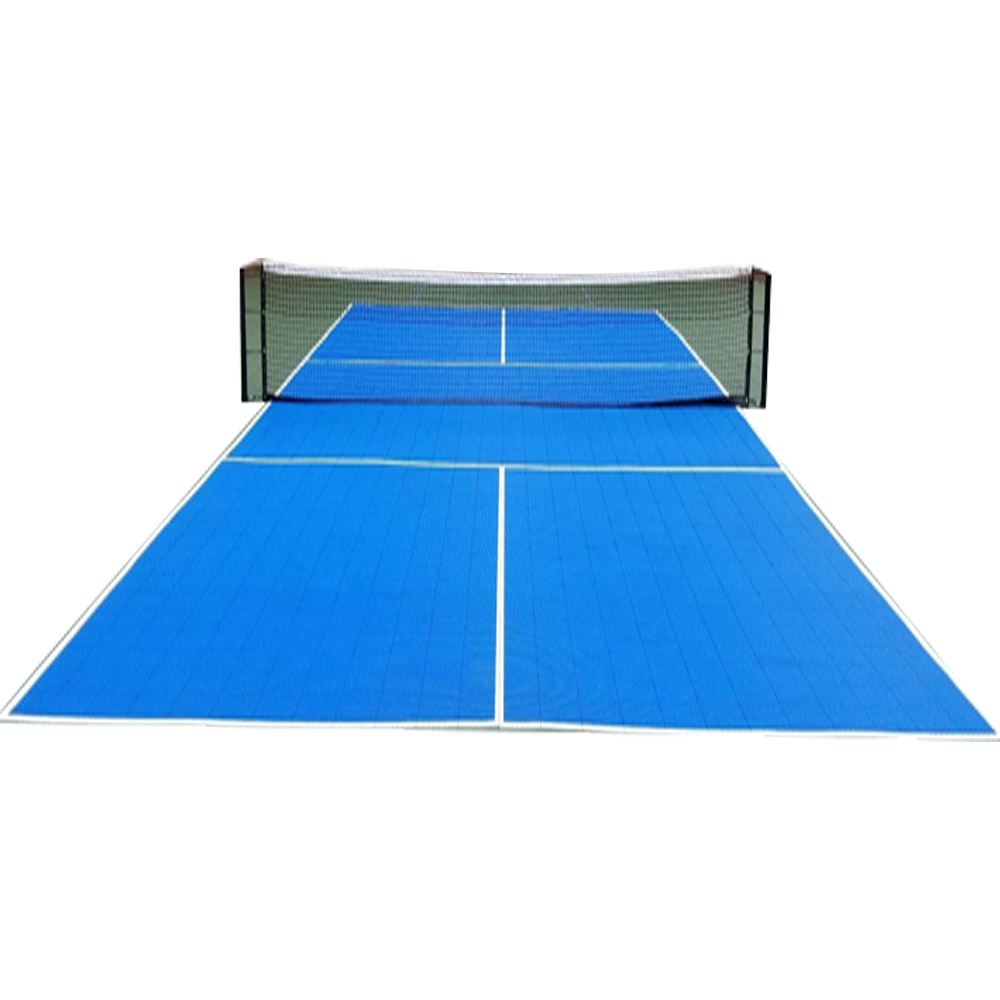
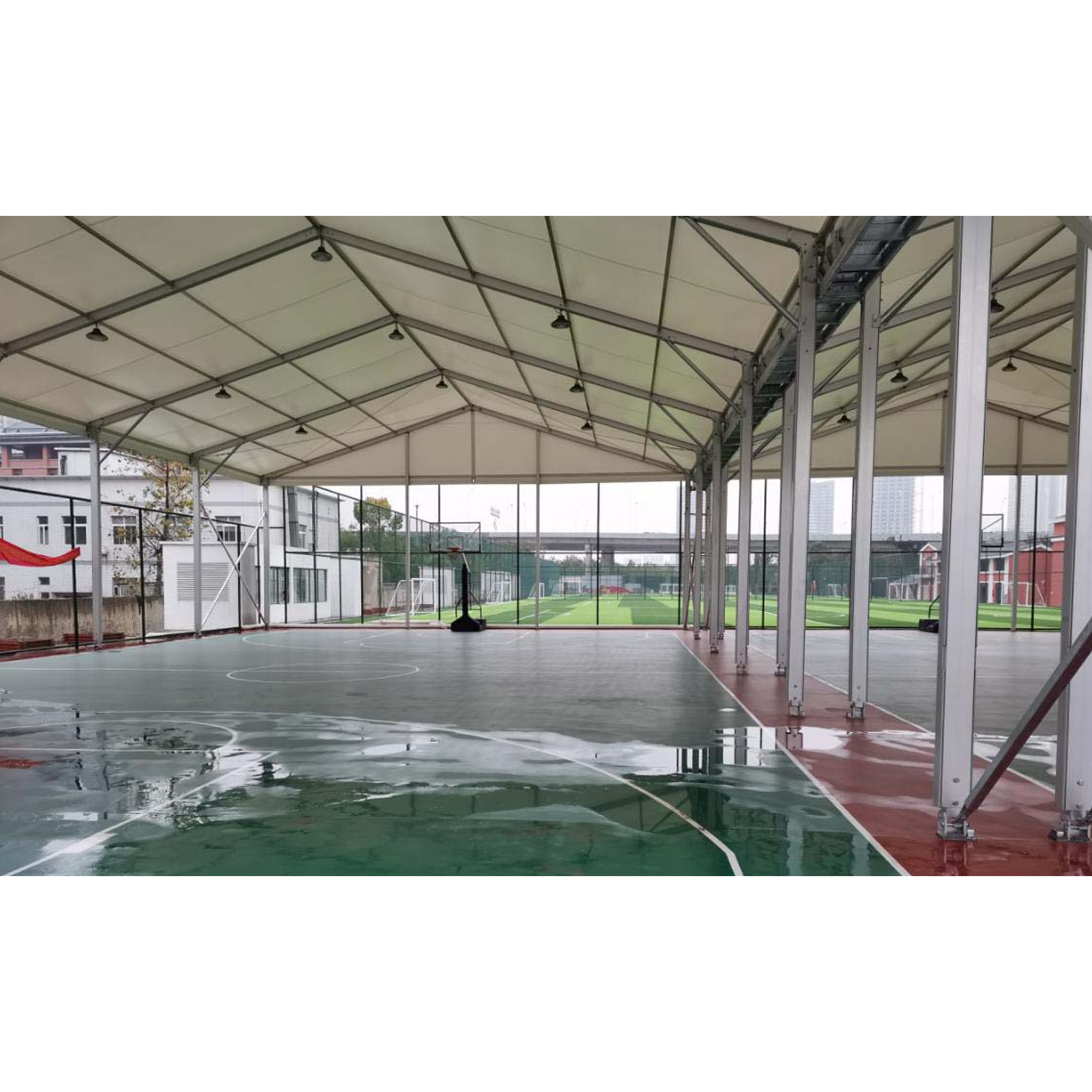
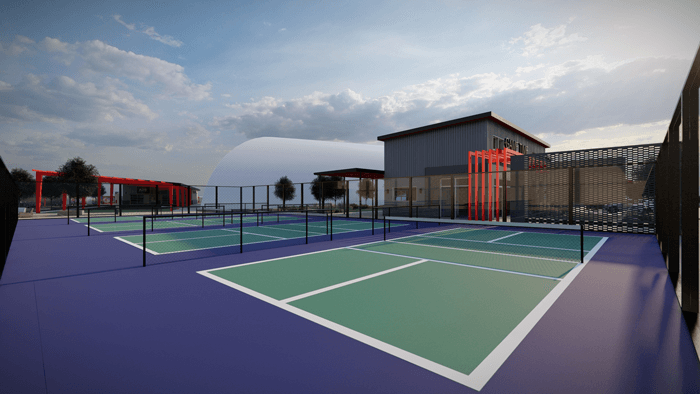
Outdoor Pickleball Court with Durable Surface and Steel Structure
II. Acrylic Coatings: Advantages in Affordability and Ease of Maintenance
Acrylic coating is a type of water-based or solvent-based paint applied to concrete or cement substrates to form a hard, durable surface. Its key characteristics are as follows:
High Cost-Effectiveness: Installation costs are relatively low, making it an ideal choice for venues with limited budgets or for temporary competition sites.
Ease of Maintenance: The surface is smooth, allowing for convenient removal of dust and stains without the need for complex maintenance procedures.
Strong Weather Resistance: Suitable for outdoor venues, it effectively withstands UV radiation and rainwater erosion, thereby extending the service life of the facility.
Broad Applicability: It is suitable for use in a wide range of settings—from professional training facilities to community centers, schools, and outdoor recreational areas.
Acrylic coatings are well-suited for venues with low to moderate usage frequency—particularly in outdoor environments—where they effectively meet the requirements for general training and community-level competitions. While their elasticity and shock-absorption properties may not match those of PVC, they offer distinct advantages in terms of cost control and weather resistance.
III. Comparison of PVC and Acrylic Surfaces
| Feature | PVC Surface Layer | Acrylic Coating |
| Durability | High | Moderate |
| Resilience & Cushioning | Excellent | Fair |
| Anti-slip Performance | Excellent | Good |
| Maintenance Cost | Low | Very Low |
| Installation Cost | Moderate-to-High | Low |
| Usage Scenarios | Indoor High-Intensity Training, Commercial Clubs | Outdoor Courts, Schools & Communities |
| Visual Aesthetics | Diverse, Customizable Colors | Primarily Solid Colors |
A comparative analysis reveals that PVC is better suited for venues with high standards regarding athletic performance and training safety, whereas acrylic coatings are ideal for facilities that prioritize cost-effectiveness, weather resistance, and outdoor use. The choice of surface material should be determined by a comprehensive assessment of the investment budget, usage frequency, and the specific type of venue.
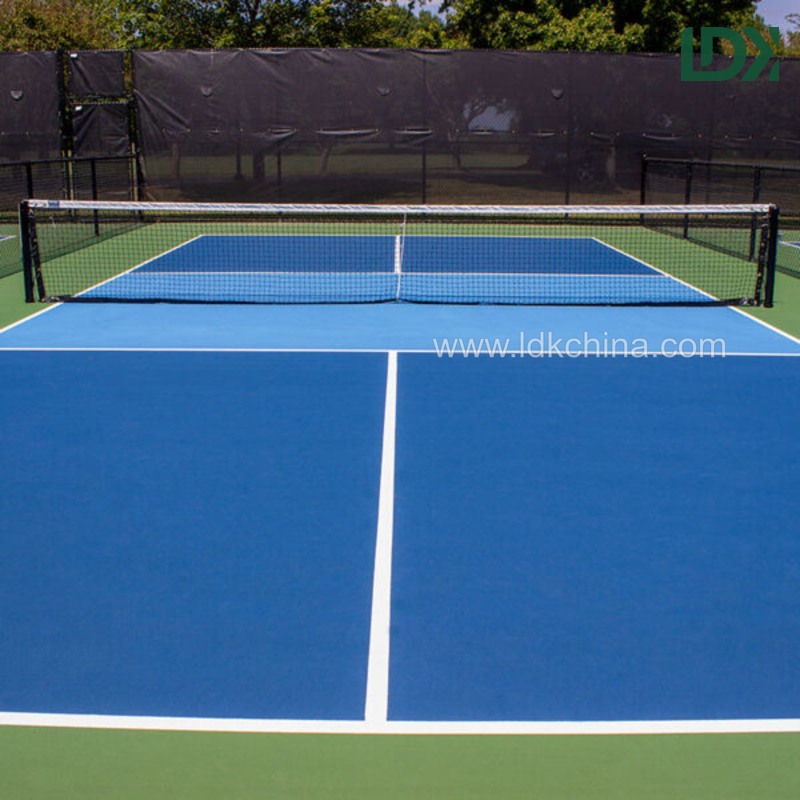
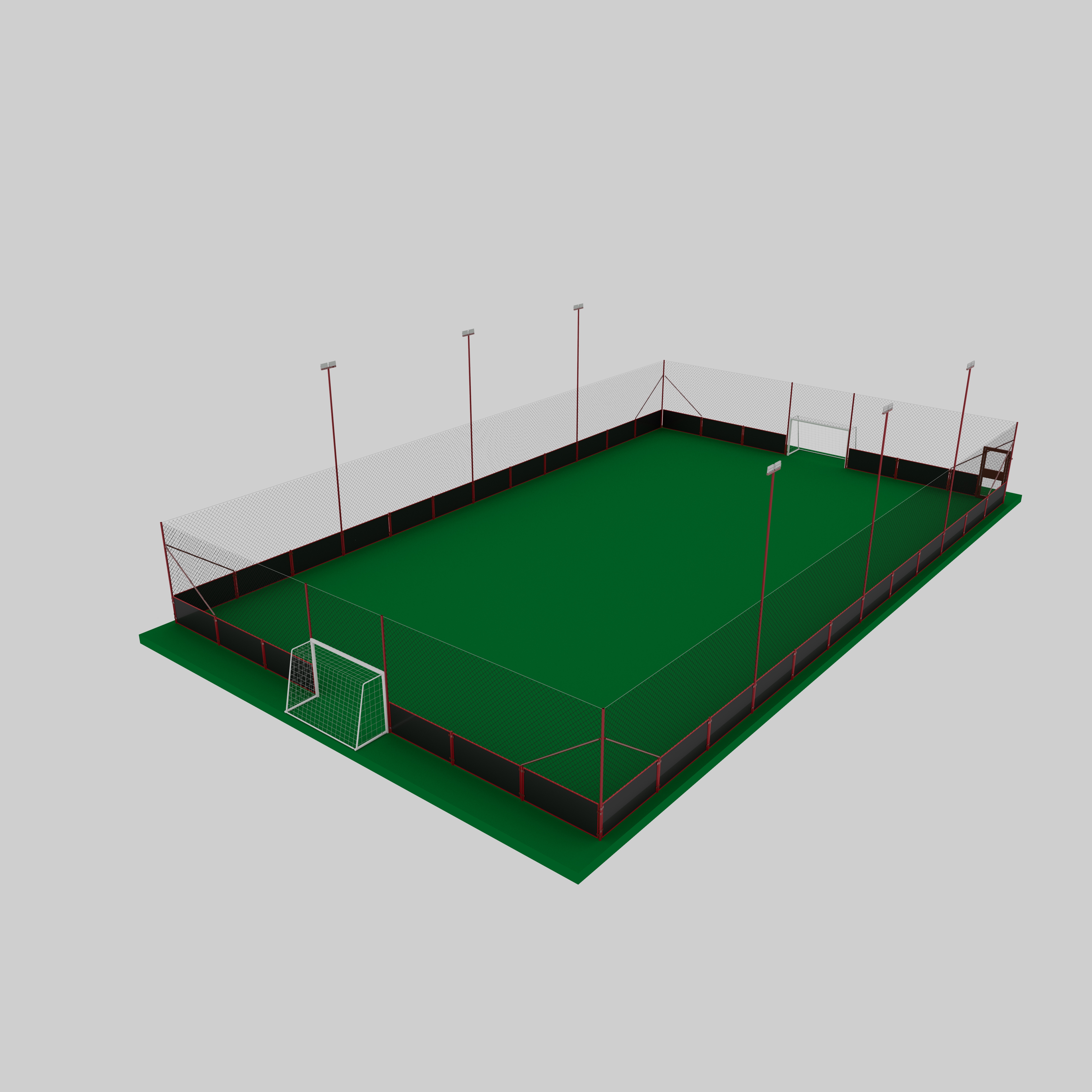
Factory Direct Pickleball Court for School and Community Installation
IV. Construction and Maintenance Recommendations
PVC Flooring: Installation requires ensuring that the subfloor is level and dry, and that the flooring is secured using a specialized adhesive. Routine maintenance includes dust removal, periodic disinfection, and inspecting the integrity of the anti-slip layer.
Acrylic Coating: Prior to application, the cement base must be leveled and waterproofed; the coating itself should be applied evenly, and the surface must be allowed to dry completely before use. Routine maintenance primarily involves sweeping and stain removal; depending on usage frequency, the surface coating may require periodic re-application.
Proper construction and systematic maintenance are critical to extending the lifespan of the facility, preserving its athletic performance characteristics, and ensuring safety.
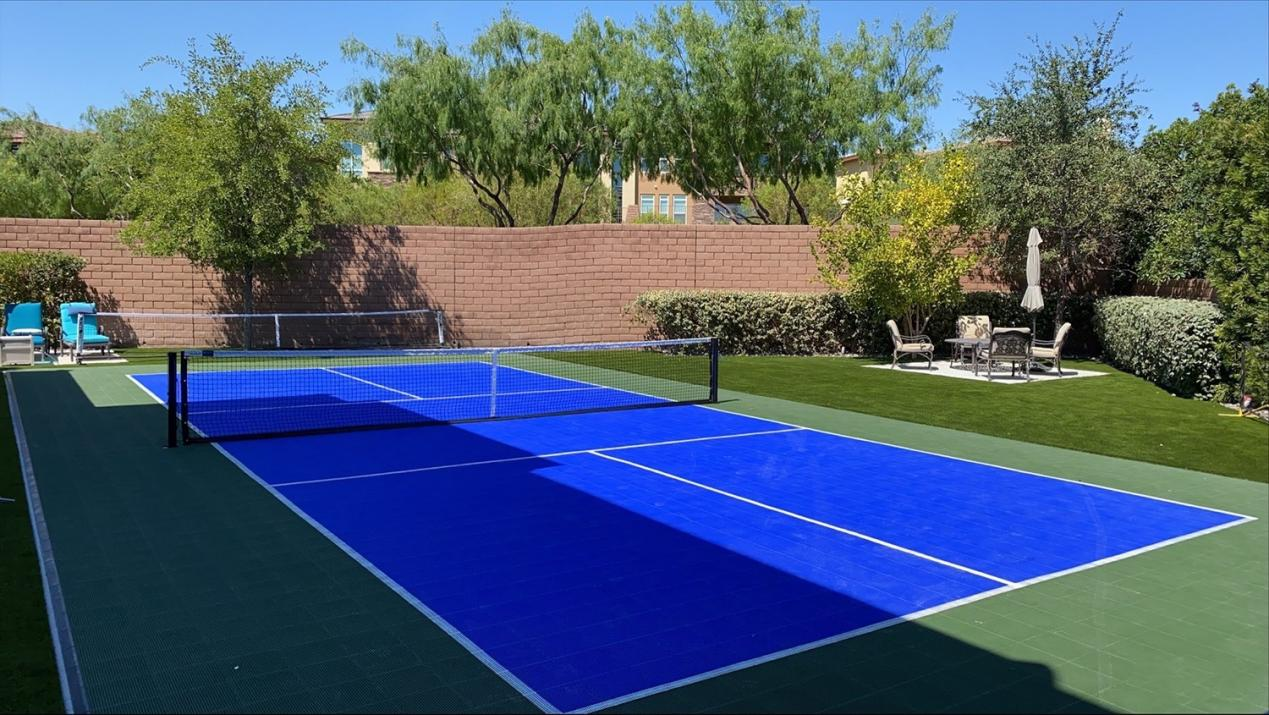
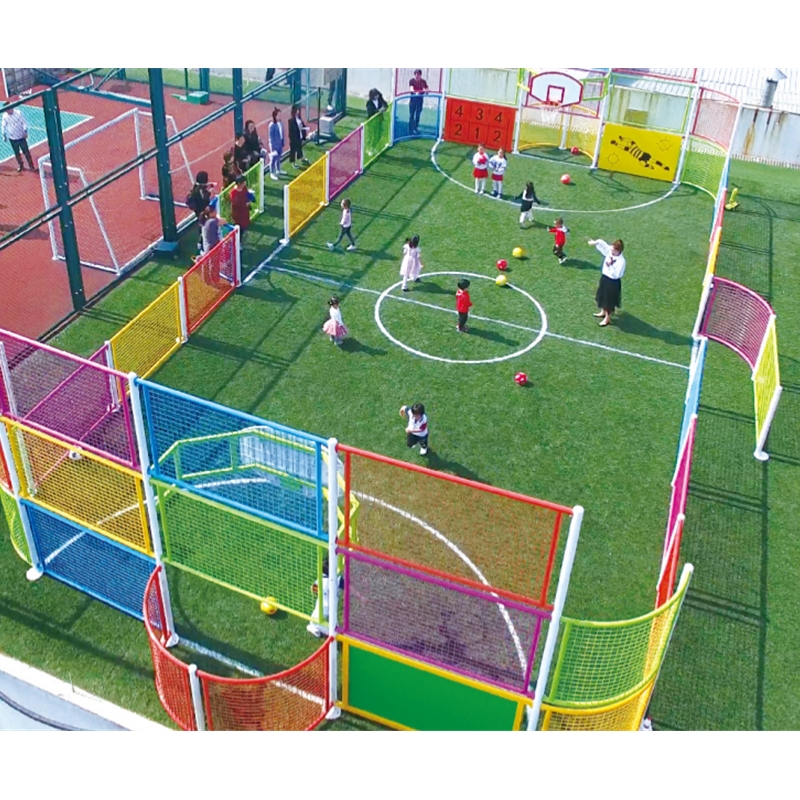
Outdoor Pickleball Court for School and Community Installation
V. Investment and Selection Recommendations
Commercial Clubs and Professional Training Centers: We recommend utilizing PVC flooring surfaces, which strike an optimal balance between resilience, wear resistance, and athletic safety, while simultaneously enhancing the member experience and the venue’s competitive edge.
Schools and Community Centers: Acrylic coatings are a suitable choice, offering low installation costs and ease of maintenance, thereby effectively meeting the requirements for daily training and community activities.
Hybrid Solutions: A mixed approach—employing PVC flooring for indoor training areas and acrylic coatings for outdoor recreational zones or temporary competition areas—allows for cost optimization while ensuring a functional balance.
Furthermore, integrating standard nets, rackets, and auxiliary facilities will further elevate the overall training experience and enhance the operational efficiency of the venue.
VI. Conclusion
The choice of surface material for a pickleball court directly impacts the athlete experience, the facility’s lifespan, and the return on investment. Both PVC flooring and acrylic coatings offer distinct advantages:
PVC Surfaces: Characterized by excellent resilience, superior slip resistance, and high durability, making them ideal for high-frequency training environments and commercial clubs.
Acrylic Coatings: Feature ease of installation, lower costs, and excellent weather resistance, making them suitable for outdoor venues or facilities with limited budgets.
Investors should make their selection based on a comprehensive assessment of the venue type, budget, and usage frequency. By integrating appropriate ancillary equipment and implementing a scientific maintenance plan, they can provide the facility with an efficient, safe, and durable environment for both training and competition.
As the sport of pickleball continues to gain global popularity, high-quality court construction and scientific facility management will become key factors in enhancing a venue’s competitiveness and operational profitability.
Publisher:
Post time: Apr-03-2026