Padel tennis is rapidly gaining popularity worldwide, attracting a vast number of recreational players as well as investors seeking opportunities in sports facility development. As the 2025–2026 season unfolds, investors are increasingly focusing on the performance and potential returns associated with various padel court designs—specifically, the comparative merits of Full Panoramic Courts versus Classic Padel Courts. Understanding the differences between these two types in terms of construction costs, maintenance requirements, and revenue potential is crucial for investors, club owners, and facility managers alike.
In recent years, the padel market has experienced sustained growth across Europe, North America, and Asia. Key growth drivers include an expanding base of recreational players, youth training programs, corporate leagues, and the development of facilities within urban commercial complexes. Investors looking to enter this rapidly evolving market should carefully evaluate the respective advantages and disadvantages of Full Panoramic Courts and Classic Padel Courts, weighing the initial capital investment against the potential for long-term operational returns.
 Introduction to Panoramic-Panel Tennis Courts
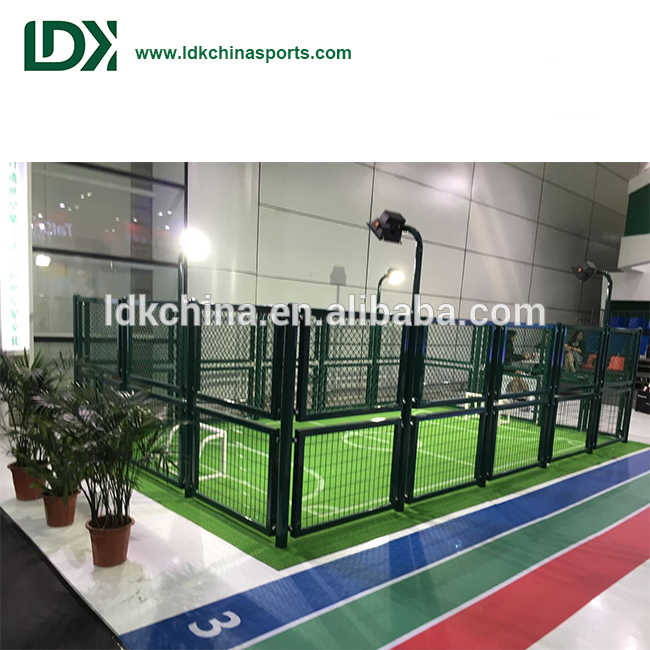
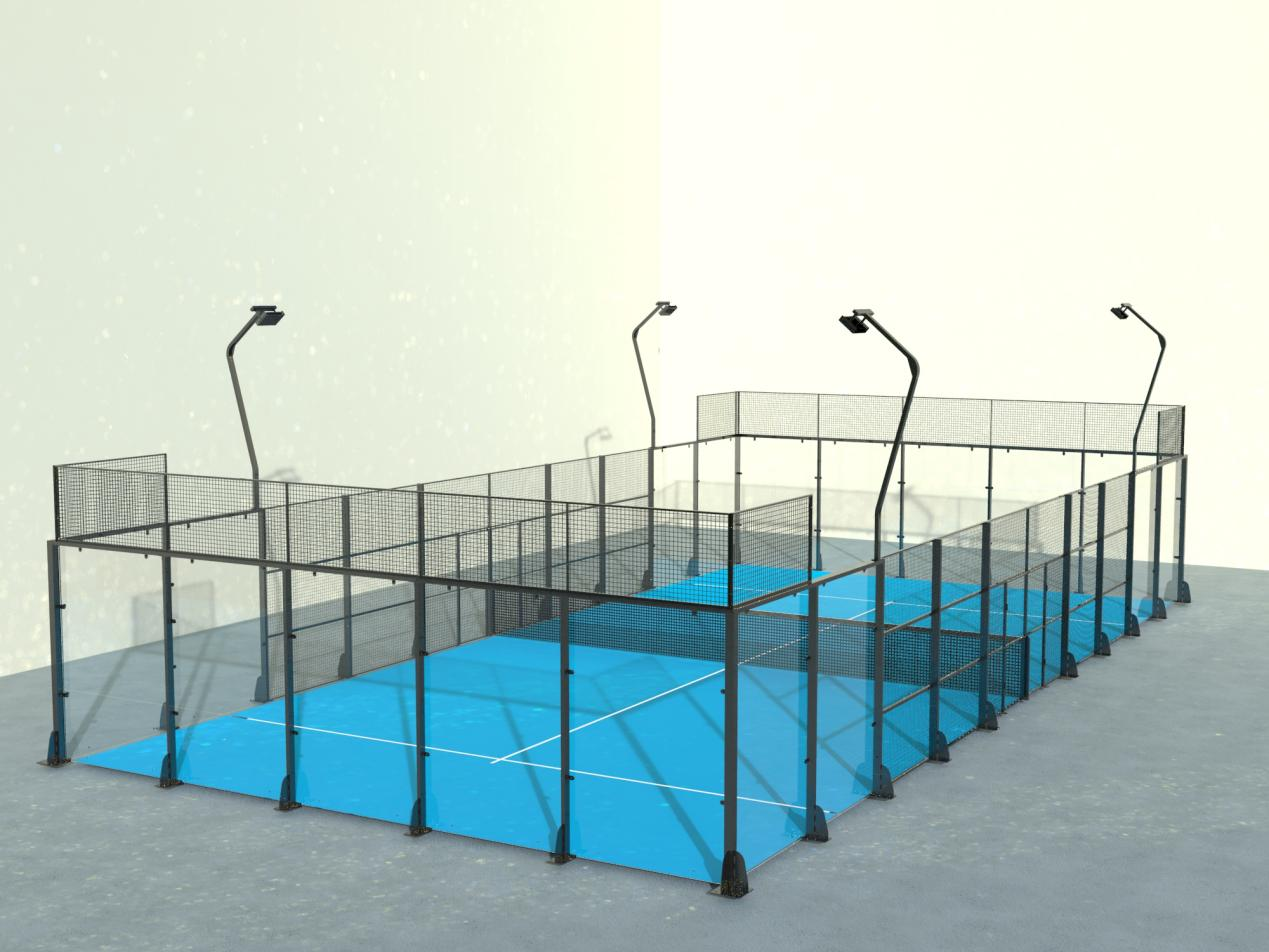
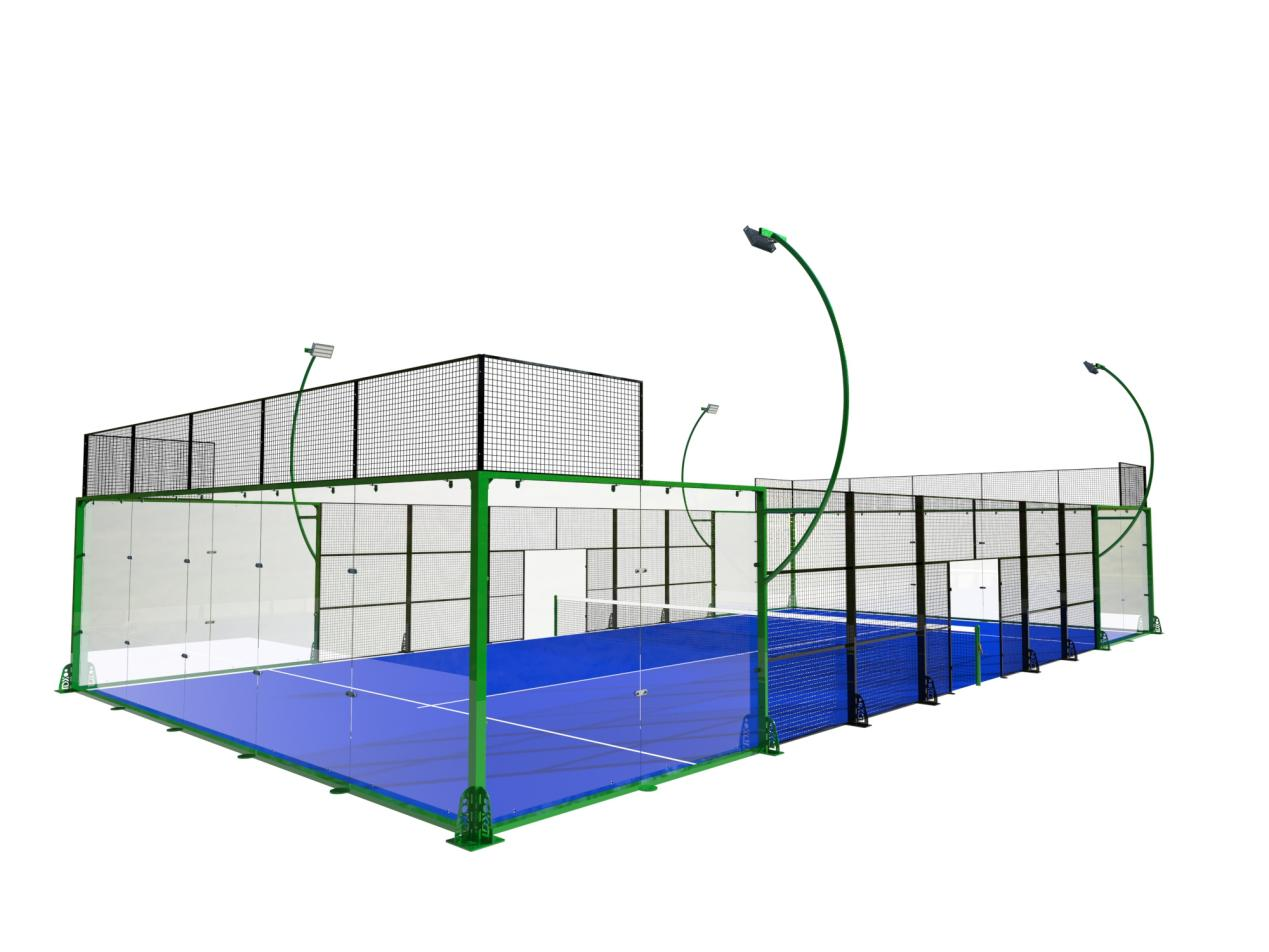
The Panoramic Tennis Court features full-glass enclosures, high-quality artificial turf, and a modern lighting system designed for both daytime and nighttime use.
Key Features
Full-Height Glass Enclosures – Provides an immersive experience while allowing spectators to view matches from multiple angles, thereby enhancing both the competitive and entertainment value of the game.
Premium Artificial Turf – High-density turf ensures consistent ball speed and player comfort, while offering lower maintenance costs compared to natural grass.
LED Night Lighting – An adjustable LED lighting system supports nighttime play, extending the facility’s operating hours and boosting revenue potential.
Commercial Appeal – Particularly well-suited for commercial complexes, rooftop venues, and urban leisure centers; its striking visual aesthetics and modern design serve as key attractions for drawing customers.
Investment Advantages
High Revenue Potential – Premium facilities command higher rental rates.
Enhanced Engagement – The full-glass enclosures and panoramic design elevate the experience for both players and spectators.
Event Hosting Opportunities – Capable of hosting tournaments, corporate events, and exhibition matches, thereby diversifying revenue streams.
Durability & Low Maintenance – Advanced materials minimize long-term maintenance costs, ensuring the facility remains operational and efficient for years to come.
Introduction to Classic Cricket Tennis Courts
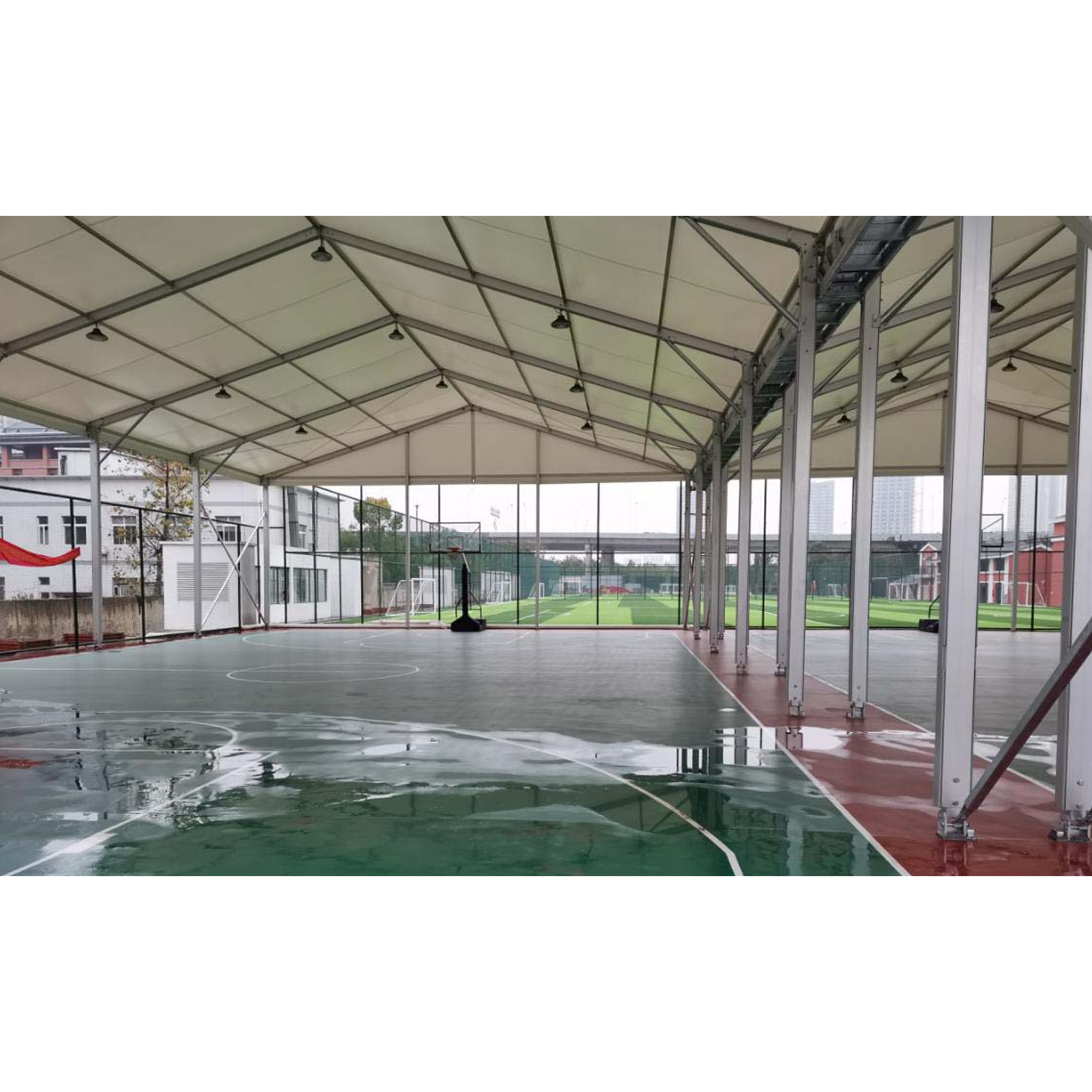
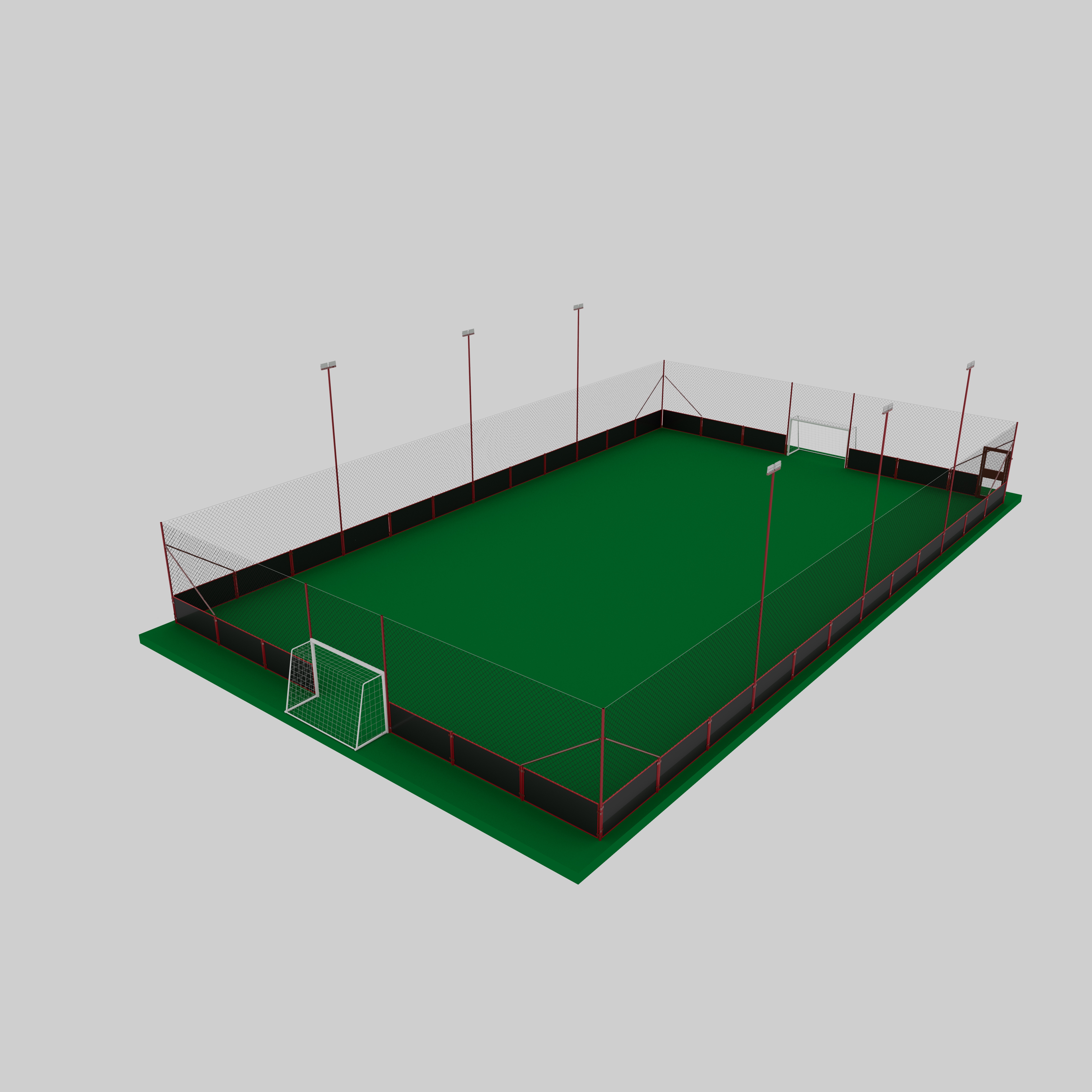
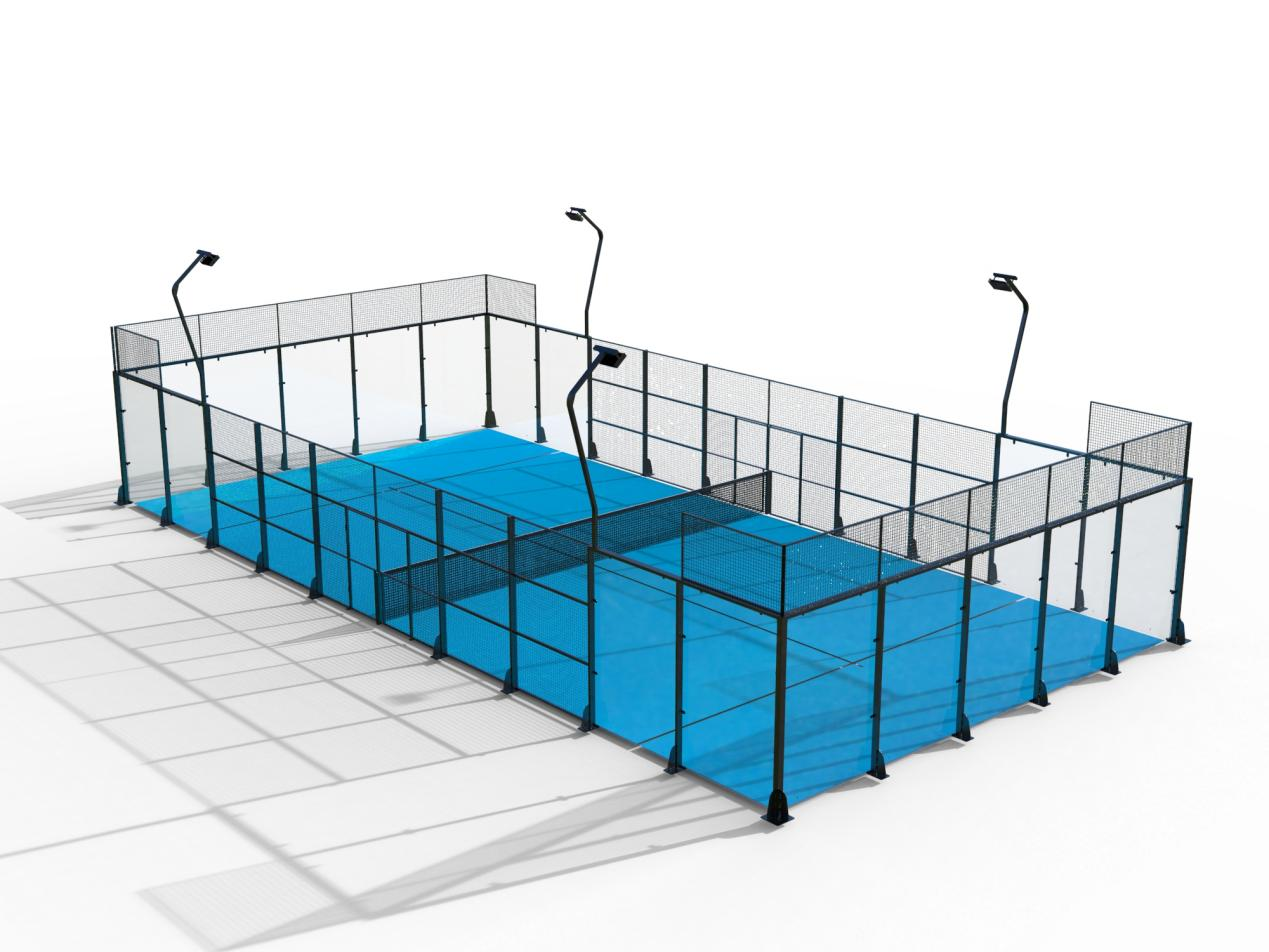
Classic cricket tennis courts retain traditional design elements such as partial glass fencing, standard artificial turf, and conventional lighting systems. They have a long history of use in clubs, schools, and urban public sports facilities.
Core features
Partial glass or metal fencing – provides basic visibility while reducing construction costs.
Standard artificial turf – offers durability and good ball speed, although the experience is slightly less than a full-field field.
Conventional lighting system – suitable for daytime or low-intensity nighttime use.
Economical and practical – low initial investment, suitable for clubs or public facilities on a budget.
Investment advantages
Low Construction Costs – Ideal for investors with limited initial capital.
Rapid Installation – Simple design facilitates quick deployment across multiple locations.
Robust Returns – Offers stable income and low operating costs.
Flexible Usage – Suitable for youth training, community leagues, and recreational activities.
ROI Comparative Analysis
Initial Investment
Panoramic Court – Materials, glass enclosures, premium turf, and lighting systems result in construction costs that are 20–40% higher.
Classic Court – Lower cost, facilitating multi-court deployment.
Operating Costs
Panoramic Court – Glass cleaning and LED maintenance costs are slightly higher; however, the turf has a longer lifespan, resulting in lower long-term maintenance costs.
Classic Court – Daily operating costs are low, but the turf may require more frequent replacement.
Revenue Potential
Panoramic Field – Capable of commanding premium rental rates; generates additional revenue through the hosting of tournaments and corporate events.
Classic Field – Offers stable returns and is well-suited for community and school use, though its revenue potential is somewhat constrained by its design and limited daytime availability.
Return on Investment (ROI) Period
The Panoramic Field requires a higher initial investment, resulting in a slightly longer payback period; however, its long-term profitability surpasses that of the Classic Field due to its superior capacity for generating revenue through rentals, sponsorships, and event hosting.
Site and Market Considerations
Urban Commercial Centers – The Panoramic Field is the more suitable choice, as it attracts high-end clientele and delivers a premium user experience.
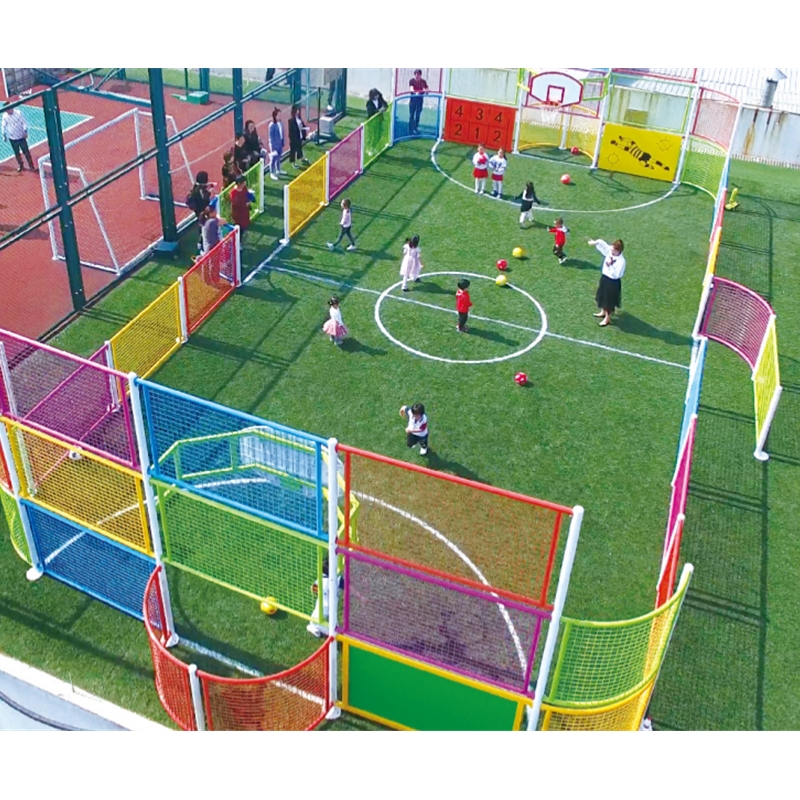
Community and School Projects – The Classic Field is an economical and practical option, ideal for training sessions and recreational use.
Rooftop Venues – The Panoramic Field—featuring full glass enclosures and LED lighting—maximizes both visual impact and commercial value.
Maintenance and Lifespan
Regardless of court type, proper maintenance impacts ROI:
Turf Maintenance – Regular cleaning, brushing, and replacement ensure ball speed and comfort.
Glass Fences – Panoramic courts require regular cleaning and inspection.
Lighting Systems – LEDs are durable and energy-efficient, but require regular maintenance.
Fences and Surroundings – Classic courts require fence maintenance for safety.
Marketing and Revenue Maximization
Investors can enhance their returns through the following strategies:
Membership Programs – Offering tiered membership options and priority access to panoramic courts.
Corporate and Event Rentals – Hosting tournaments, corporate functions, and exhibition matches.
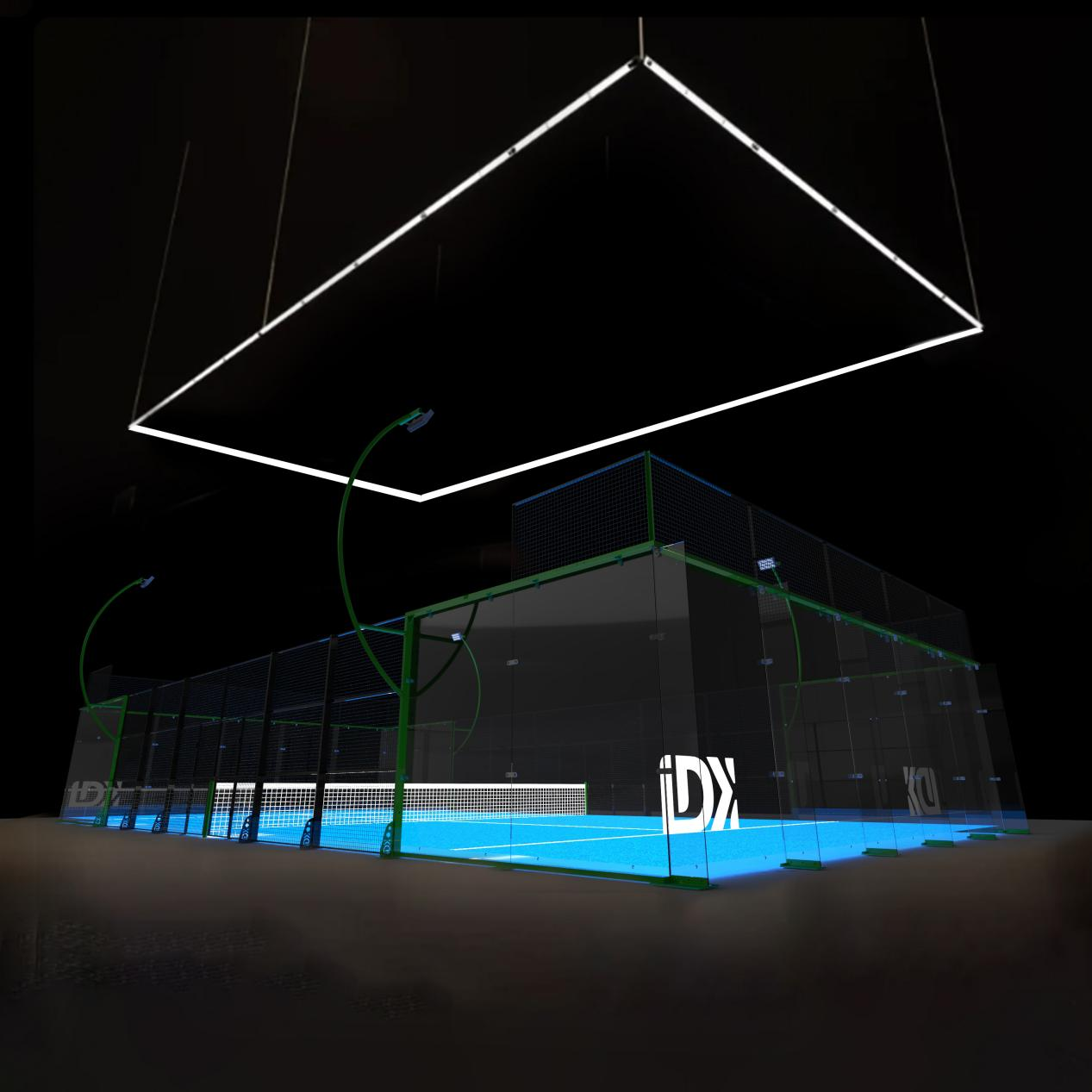
Nighttime Usage – Utilizing LED lighting systems to facilitate extended operating hours.
Cross-Promotion – Integrating with other sports and fitness activities, such as rooftop fitness classes and multi-functional training zones.
Sustainability and Long-Term Value
Durability – High-quality materials ensure long-term use.
Environmentally friendly – Recyclable lawn materials are available; LED lights are energy-efficient.
Adaptability – Upgradeable or customizable to adapt to market changes.
Summarize
Panoramic paddleboard tennis courts and classic paddleboard tennis courts each have their advantages. Panoramic courts are aesthetically pleasing, can be used at night, and have high revenue potential, making them suitable for commercial centers and high-traffic areas; classic courts are economical, practical, and easy to install, making them suitable for schools, communities, and small clubs.
Investors should consider the following when choosing a paddleboard tennis court:
Target market and usage frequency
Initial investment and long-term returns
Maintenance needs and durability
Event and tournament hosting opportunities
Through scientific selection and optimized operational strategies, paddleboard tennis courts can achieve high returns while enhancing user experience and community impact.
Publisher:
Post time: Mar-27-2026