With the growing global awareness of health and wellness, the indoor fitness industry is experiencing a trend of rapid expansion. Whether in commercial clubs, corporate gyms, or school and community fitness centers, the scientific selection of equipment and the strategic layout of facilities have become pivotal factors in enhancing member experience, optimizing training efficiency, and boosting commercial revenue. For investors, facility operators, and sports equipment suppliers alike, selecting the appropriate indoor fitness equipment and rationally planning the spatial layout are essential keys to ensuring exercise safety, maximizing training results, and securing long-term operational profitability.
In modern fitness centers, core equipment typically comprises treadmills, indoor cycling bikes, strength training machines, and various auxiliary training tools. This article offers an in-depth analysis across five key dimensions—equipment selection, spatial layout, safety and maintenance, operational strategies, and future trends—providing global clients with professional guidance and practical references for equipment procurement and facility planning.
I. Introduction to Core Equipment
1. Treadmills
Treadmills serve as the cornerstone of indoor cardiovascular training and are widely utilized in both commercial fitness clubs and home gyms. High-quality treadmills typically possess the following characteristics:
Stability and Load-Bearing Capacity: Featuring high-performance motors and sturdy running belts, they are capable of accommodating users of varying body weights and meeting the demands of diverse training intensities.
Intelligent Monitoring: Integrated systems for heart rate monitoring, exercise data tracking, and multiple training modes empower members to plan their workouts scientifically.
Shock Absorption Design: Advanced cushioning systems reduce impact stress on the knee and ankle joints, thereby minimizing the risk of exercise-related injuries.
Versatile Functionality: Features such as incline adjustment, speed control, and virtual scenery training enhance the user experience and make workouts more engaging.
Beyond standard daily cardiovascular exercise, treadmills are also well-suited for High-Intensity Interval Training (HIIT), thereby boosting member engagement and optimizing facility utilization rates.
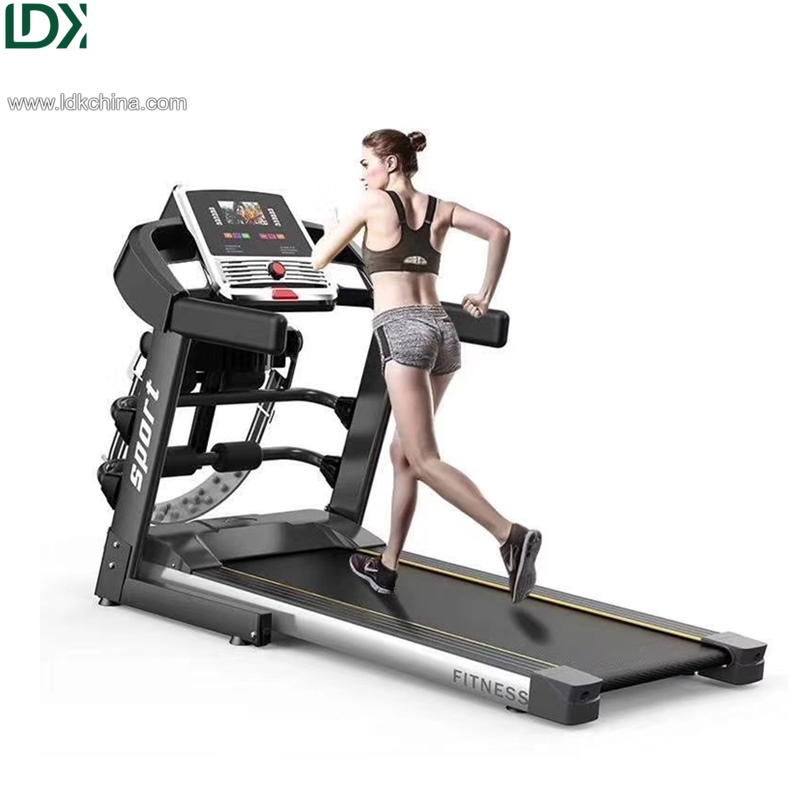
Top Rated Gym Fitness Equipment Electric Thin Treadmills Folding Treadmill Under Bed For Home Use
2. Spinning Bikes
Spinning bikes are a popular choice for both indoor group classes and individual cardio training. Their advantages include:
Interactive Classes: Through group sessions or virtual cycling experiences, they enhance user engagement and foster a sense of community.
Flexible Adjustability: Seat height, handlebar position, and resistance levels are all adjustable, accommodating members of varying heights and training needs.
Efficient Fat Burning: By combining high-intensity cycling with interval training, they help improve cardiovascular fitness and promote fat burning.
Safe and Comfortable: High-quality spinning bikes feature ergonomic designs that minimize joint stress, making them suitable for long-term use.
In modern fitness centers, spinning classes have become a vital component for attracting young members and generating revenue from group fitness programs.
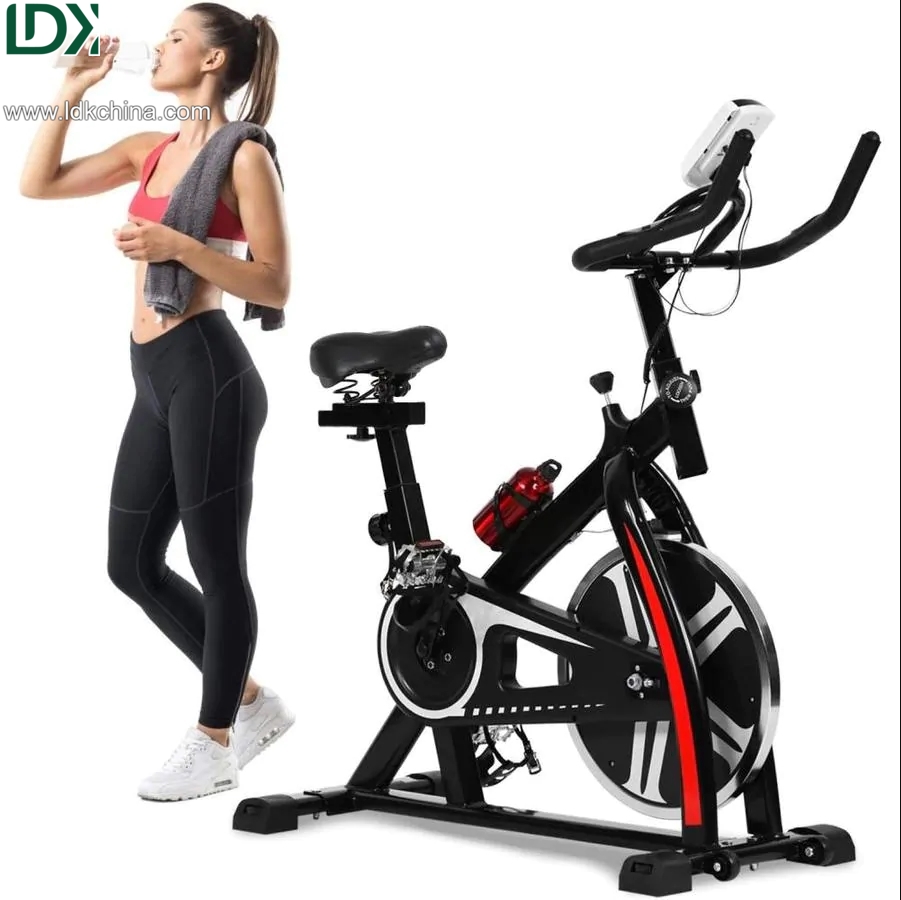
LDK Commercial Indoor Cycling for Spinning Bike Belt-Driven Fitness Equipment for Sports Training
3. Strength Training Equipment
Strength training is a critical component for enhancing physical fitness, building muscle strength, and preventing sports-related injuries. Core strength training equipment includes:
Free Weights: Dumbbells, barbells, kettlebells, etc., which facilitate multi-joint compound movements and improve muscular coordination.
Multi-Functional Integrated Trainers: Combining cable systems, pressing stations, and leg training modules; these units save floor space and are ideal for smaller gyms.
Strength Training Machines: Provide fixed movement paths and controlled resistance, making them suitable for beginners and rehabilitation training.
By strategically combining various pieces of strength training equipment, facilities can effectively meet the training needs of members at all fitness levels, while simultaneously enhancing the quality and professionalism of their services.
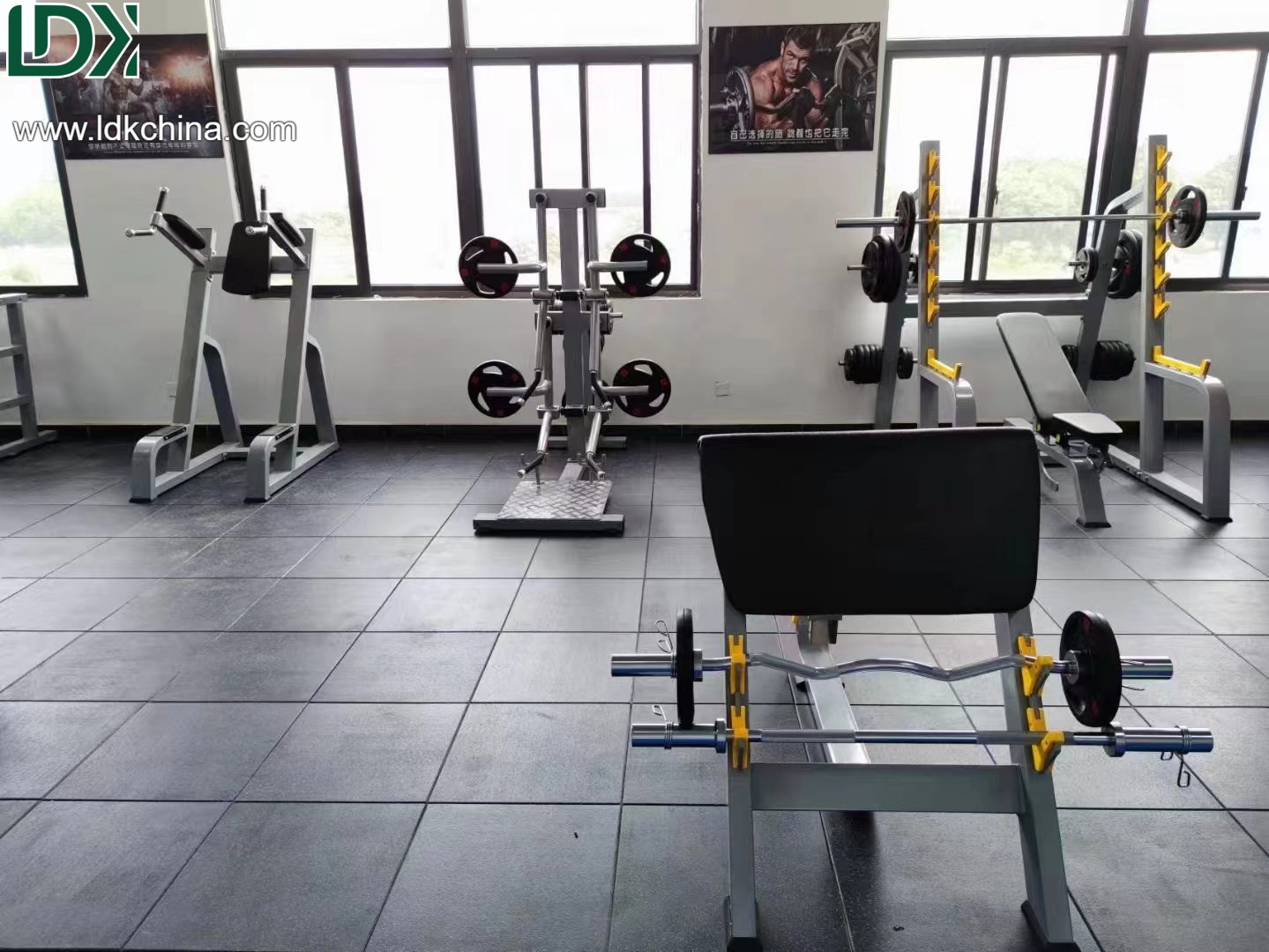
II. Spatial Layout Optimization
The layout of the facility directly impacts member experience and training safety. A scientifically designed layout requires consideration of the following:
Cardio Area
Treadmills, spin bikes, and elliptical trainers should be arranged neatly with ample spacing between them to ensure safety and exercise comfort.
High-usage equipment should be positioned near ventilation vents or air conditioning outlets to maintain optimal air circulation.
Strength Area
Free weights and resistance machines should be placed in distinct zones to prevent high-intensity training activities from interfering with one another.
Install non-slip flooring and protective mats to prevent equipment from sliding and to protect the floor from damage.
Group Class Area
The areas designated for spin classes, yoga mats, or general group training must provide sufficient space to accommodate the expected class attendance.
The inclusion of mirrored walls helps users monitor their form, thereby enhancing the quality of their training.
Rest and Support Area
Position lockers, water dispensers, and stretching zones to provide convenient amenities for members.
Ensure that walkways and corridors are sufficiently wide to meet safety requirements for emergency evacuation.
A scientifically optimized spatial layout not only enhances the training experience but also maximizes facility utilization, thereby boosting operational efficiency and member satisfaction.
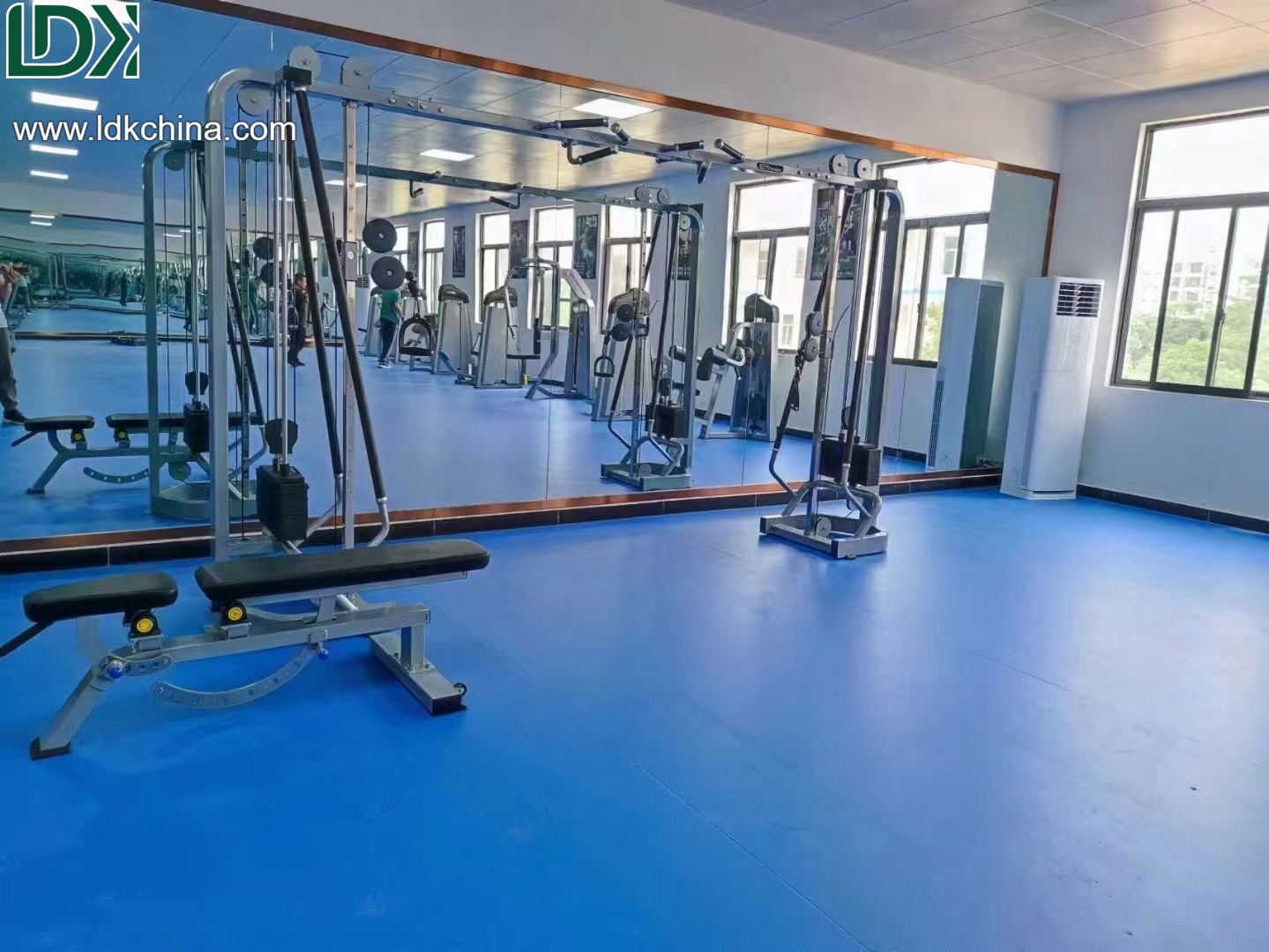
III. Safety and Maintenance
Equipment Safety
Treadmills and indoor cycling bikes require periodic inspection of their motors and drive systems to prevent malfunctions.
Strength training equipment should undergo regular checks of screws, cables, and guide rails to ensure training safety.
Protective Measures
A buffer zone or safety barrier should be established between the cardio and strength training areas to prevent equipment collisions or accidental injury to users.
Equipment must be disinfected regularly to ensure hygiene and safeguard member health.
Maintenance Strategies
Daily Cleaning: Wipe down equipment surfaces, running belts, and handlebars to remove dust and sweat residue.
Periodic Maintenance: Lubricate mechanical components and inspect power supplies and resistance mechanisms to extend equipment lifespan.
A robust maintenance system not only ensures exercise safety but also reduces equipment failure rates and long-term operating costs.
IV. Operations and Commercial Value
Enhanced Member Experience
High-quality equipment and a scientifically designed layout enhance training comfort and safety, thereby boosting member satisfaction.
Group fitness classes combined with multi-functional equipment increase facility utilization rates and generate additional revenue from classes.
Facility Management Efficiency
Standardizing equipment brands and models simplifies management, maintenance, and procurement processes.
Data-enabled equipment (such as smart treadmills and indoor cycling bikes) can track member training data, allowing for the optimization of classes and services.
Return on Investment
High-quality equipment and a well-planned layout increase member retention rates and boost long-term profitability.
A modern facility design and equipment mix can attract a premium clientele, thereby enhancing commercial competitiveness.
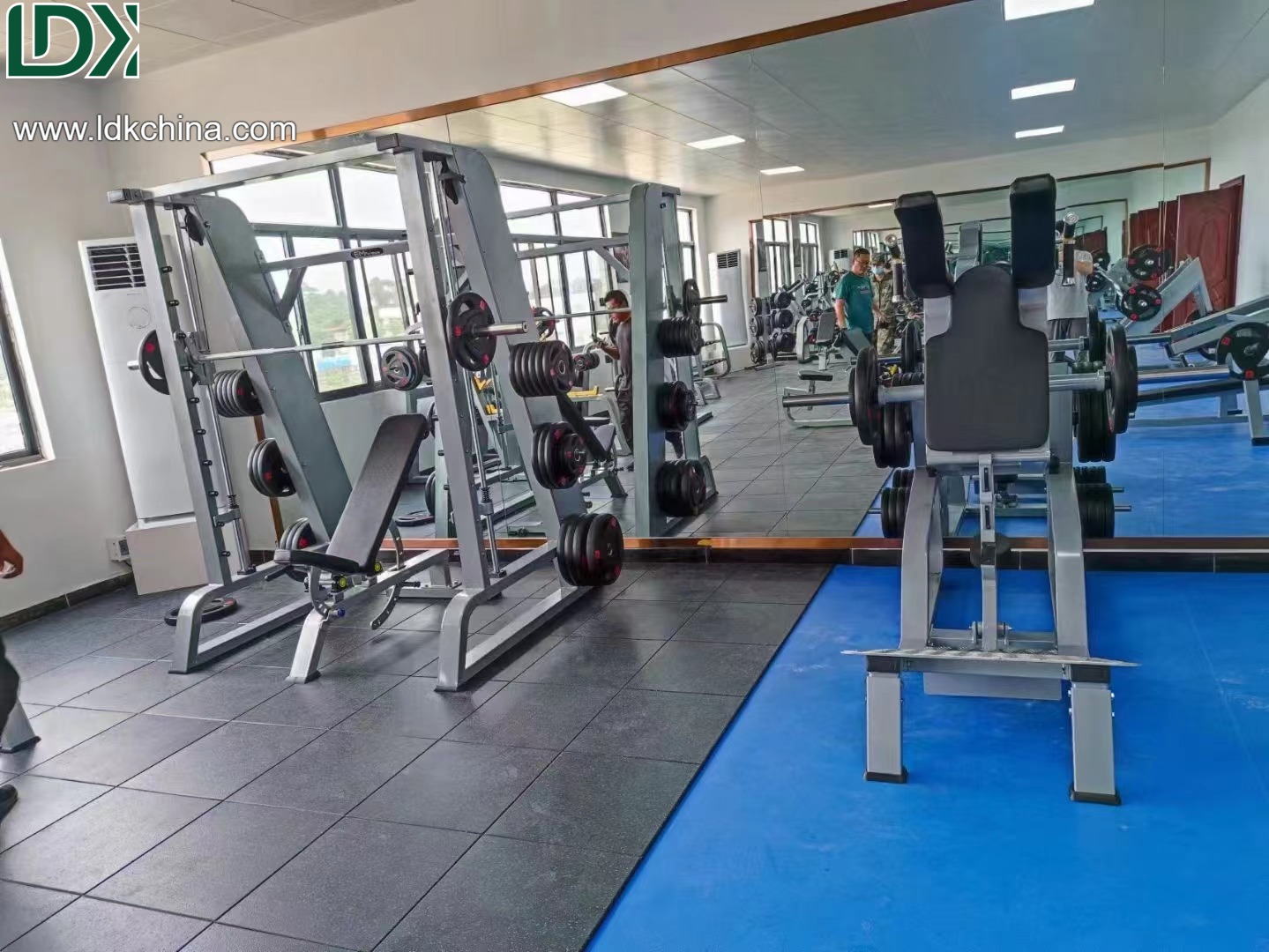
V. Future Development Trends
Intelligent and Digital Integration
Treadmills, spin bikes, and strength training equipment are increasingly integrating smart monitoring capabilities and cloud-based data management systems.
Members can utilize mobile apps to track training data, participate in virtual classes, and engage in online challenges, thereby enhancing interactivity.
Integration of Multi-functional Spaces
Indoor gyms are beginning to integrate yoga, Pilates, cardio training, and strength training areas to create comprehensive, “one-stop” workout environments.
Smaller gyms are maximizing space utilization and achieving flexible layouts through the use of modular equipment configurations.
Fusion of Fitness and Rehabilitation
Gym equipment is no longer used solely for physical conditioning; it is also beginning to serve the needs of rehabilitation and functional training.
High-end clubs are combining rehabilitation training devices with traditional strength training equipment to provide members with holistic health and wellness solutions.
VI. Conclusion
In the modern indoor fitness industry, treadmills, spin bikes, and strength training equipment constitute the core machinery for facility operations. The scientific selection of equipment, rational layout planning, and strict adherence to safety and maintenance protocols not only enhance the workout experience but also boost the facility’s commercial value and member retention rates.
Investing in high-quality equipment and optimizing spatial layouts are key prerequisites for the successful operation of future indoor gyms. As trends toward intelligence, digitalization, and multi-functionality continue to advance, high-end indoor fitness facilities will emerge as pivotal assets for attracting members, increasing revenue, and enhancing brand value.
Publisher:
Post time: Apr-08-2026