In February 2026, the global solid wood sports flooring market size was being recalculated by various research institutions. According to the latest industry report, the global solid wood sports flooring market size was approximately US$1.85 billion in 2025 and is projected to reach US$2.65 billion by 2034, maintaining a compound annual growth rate of around 4.1%. Behind these seemingly stable figures, a deeper story about materials, standards, and the supply chain is unfolding—it concerns North American maple quotas, the renovation cycle of European venues, and the repositioning of Chinese manufacturing in the industrial chain.
Maple Dominance and the Regional Logic of Timber Selection
In the basketball court wood flooring sector, the choice of wood species has never been an aesthetic issue, but rather a purely performance-based economics. North American maple, with its Janka hardness of 1450 pounds and fiber breakage rate of less than 0.05%, has long monopolized top-tier sports venues. Its advantage lies in the balance between density and elasticity—wood that is too hard increases the load on athletes’ joints, while wood that is too soft affects the consistency of ball rebound. FIBA requires that the ball bounce rate error of court wood flooring be controlled within 5%, and maple is currently the natural material closest to this tolerance limit.
However, maple is not the only answer in the global market. The European market’s preference for oak stems from its more prominent grain aesthetics and slightly lower cost, making it suitable for numerous school stadiums and multi-purpose halls. Birch holds a share in the Eastern European and Russian markets due to its light color, high uniformity, and stable supply from its producing regions. A noteworthy change is the growing acceptance in emerging markets in Southeast Asia and the Middle East of modified fast-growing composite flooring—using reconstituted wood processes to enhance the physical properties of rubberwood and eucalyptus to near-hardwood standards. This trend of “material substitution” is reshaping the traditional geography of flooring trade.
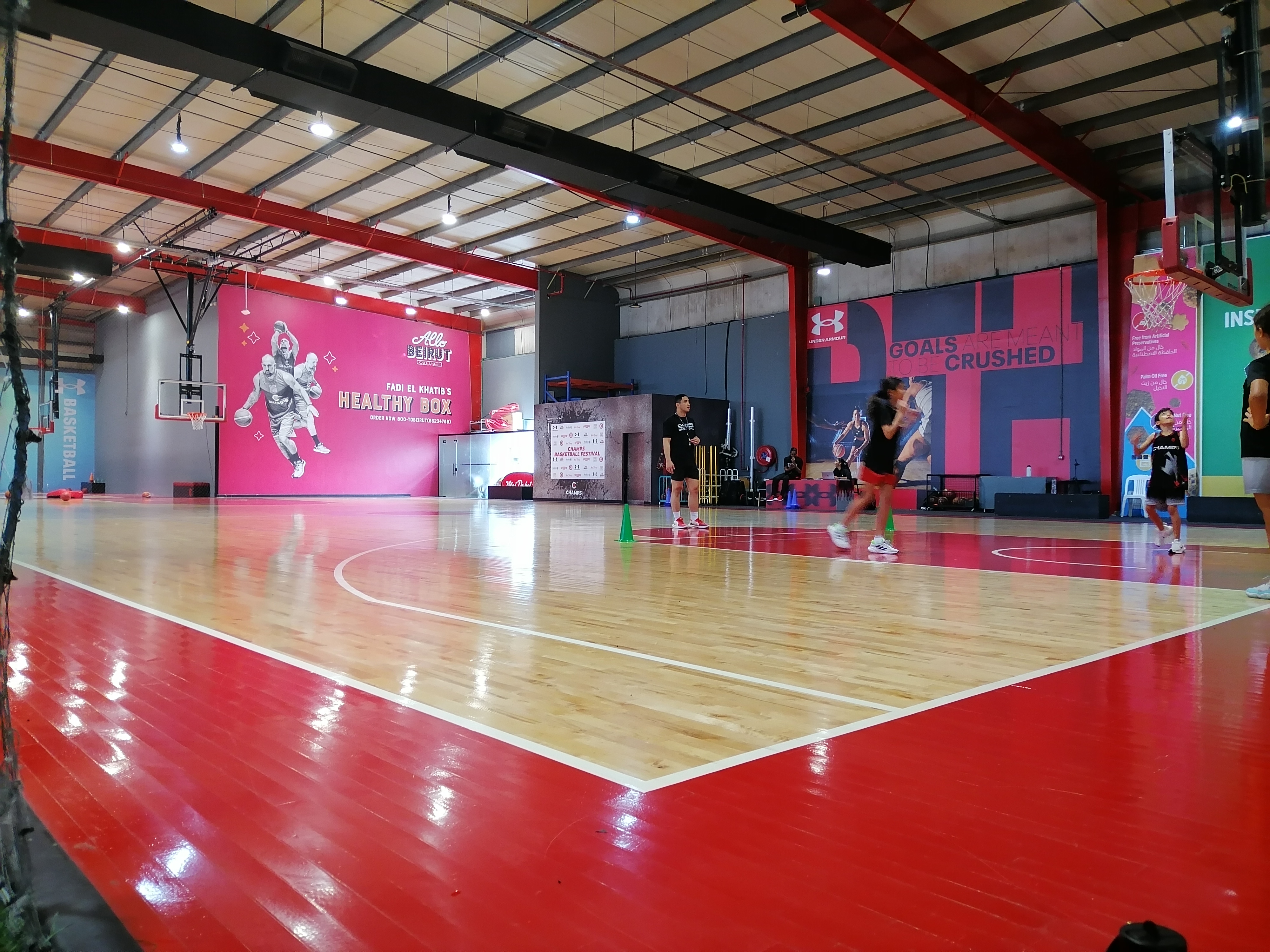
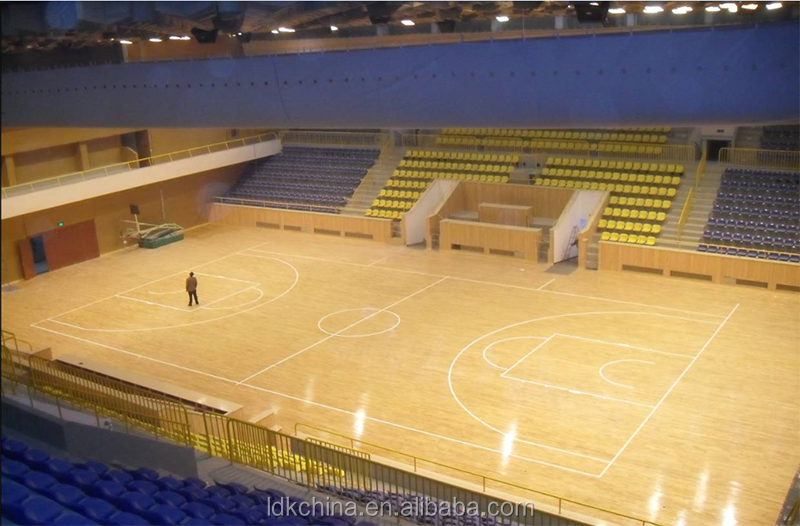
LDK Maple Sports Wooden Flooring FIBA Basketball Floor
Sports Performance Indicators: From Sensible Descriptions to Tradeable Technical Language
The most profound change in the international trade of basketball wood flooring over the past five years has been the breakdown of product value into a set of measurable, certifiable, and traceable functional indicators.
In January 2026, the National Timber and Wood Products Performance Quality Inspection and Testing Center was approved for full-scale testing of sports wood flooring, covering core sports performance indicators such as impact absorption, vertical deformation, rolling load, ball rebound rate, and coefficient of friction. This is not an isolated domestic event, but a microcosm of the convergence of global industry standards. Today, a standardized export price list for basketball wood flooring must include the following quantifiable commitments:
Impact absorption rate: Must reach 53% or higher (FIBA standard), meaning the flooring system can effectively attenuate the impact force when athletes land;
Vertical deformation: Controlled between 2.3mm and 3.0mm, ensuring a “solid” feel underfoot without sacrificing elastic cushioning;
Coefficient of slip resistance: Between 0.4 and 0.6, achieved through a matte polyurethane lacquer and corundum additive process;
Formaldehyde emission: ≤0.05mg/m³, a value that is an order of magnitude stricter than that of ordinary furniture boards.
These figures constitute the “technical currency” in international trade. European and American buyers no longer simply ask “What kind of wood is this?” but instead require suppliers to provide laboratory reports conforming to EN 14904 or DIN 18032 standards. Testing and certification capabilities have become a core factor determining product premium, on par with raw material costs.
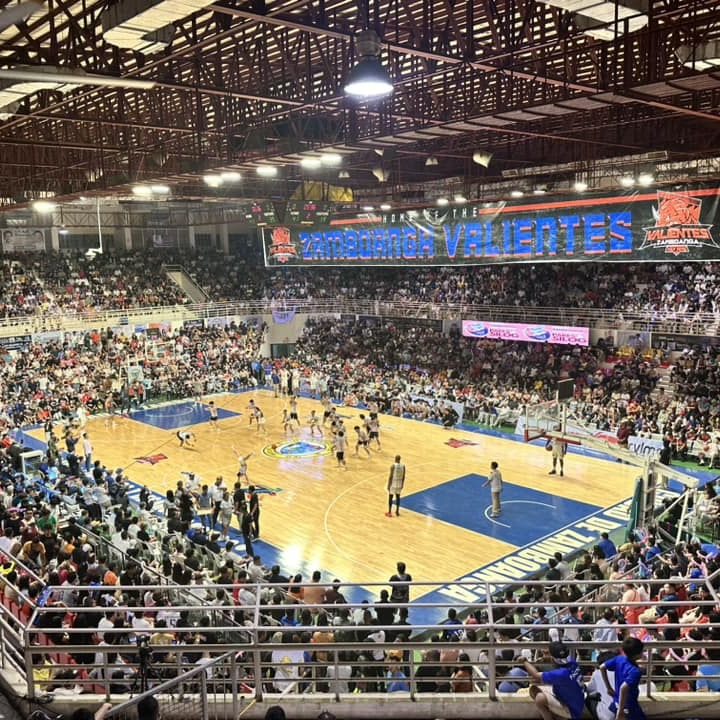
Installation System: Value-Added Space in Hidden Works
Basketball wood flooring is not a finished product, but a multi-layered structural system assembled on-site. This characteristic determines that its international trade cannot be fully standardized, leaving significant room for technical services in the supply chain.
Industry-standard installation methods fall into three categories: joist nailing systems, suspended installation, and elastic adhesive systems. Among them, the double-joist structure, which meets professional competition standards, uses a 45×55mm upper joist and a 30×50mm lower joist arranged in a staggered pattern, combined with patented rubber shock-absorbing pads with a Shore hardness of 50±5, which can control concentrated load deformation within 3mm. The technical challenge of this system lies not in the materials themselves, but in the precise control of the on-site environment—the moisture content of the base layer must be below 12%, and the indoor temperature and humidity must be kept constant after installation; otherwise, the moisture absorption and expansion of the wood will lead to irreversible deformation.
This means that exporting basketball wood flooring is essentially exporting a technical package that includes material supply, construction specifications, and environmental control standards. Leading suppliers are productizing installation guidance services, providing overseas clients with comprehensive technical support, from laser leveling standards to dehumidification operation manuals for the rainy season. This service revenue has become an important supplement to foreign trade profits.
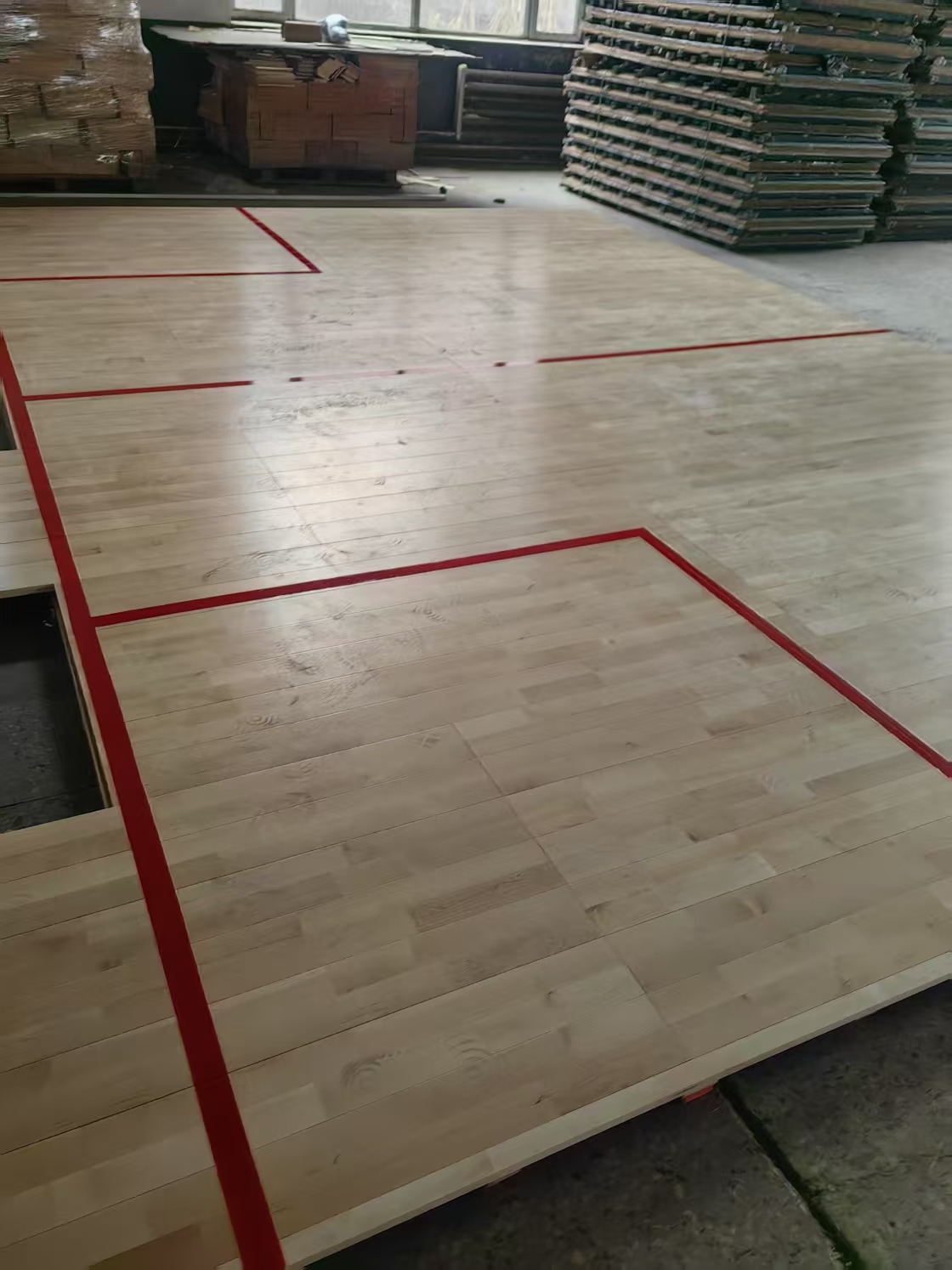
Structural Differentiation and Supply Chain Migration in the Global Market
From the demand side, the global basketball wood flooring market is exhibiting a clear three-tiered structure:
The top tier consists of professional sports stadiums, accounting for approximately 5% of annual new demand. These projects are dominated by established European and American manufacturers such as Connor Sports, Robbins, and Junckers. The maple raw materials are traced back to specific forests in the Appalachian Mountains, requiring FSC forest certification, and the installation teams must possess NBA or FIBA event service qualifications.
The middle tier comprises universities and large public sports facilities, forming a stable bulk procurement market. Competition is most intense here, with European giants like Tarkett and Gerflor directly clashing with leading Chinese OEM factories. Cost control, delivery time, and the completeness of international certifications are key factors in order placement.
The bottom tier consists of community fitness centers, private schools, and high-end residential amenities, representing the fastest-growing segment. Demand is characterized by small batches, diverse product categories, and short lead times, perfectly aligning with the flexible production capabilities of China’s sports flooring manufacturing system.
From the supply side, a significant change is the diversification of production locations. Export quotas for North American hard maple are tightening year by year, forcing global buyers to diversify their procurement channels. Croatian oak, German beech, and modified birch from China are entering the international market with different positioning. Simultaneously, China’s sports wood flooring industry cluster is undergoing a transformation from “maple processing” to “independent material system R&D.”
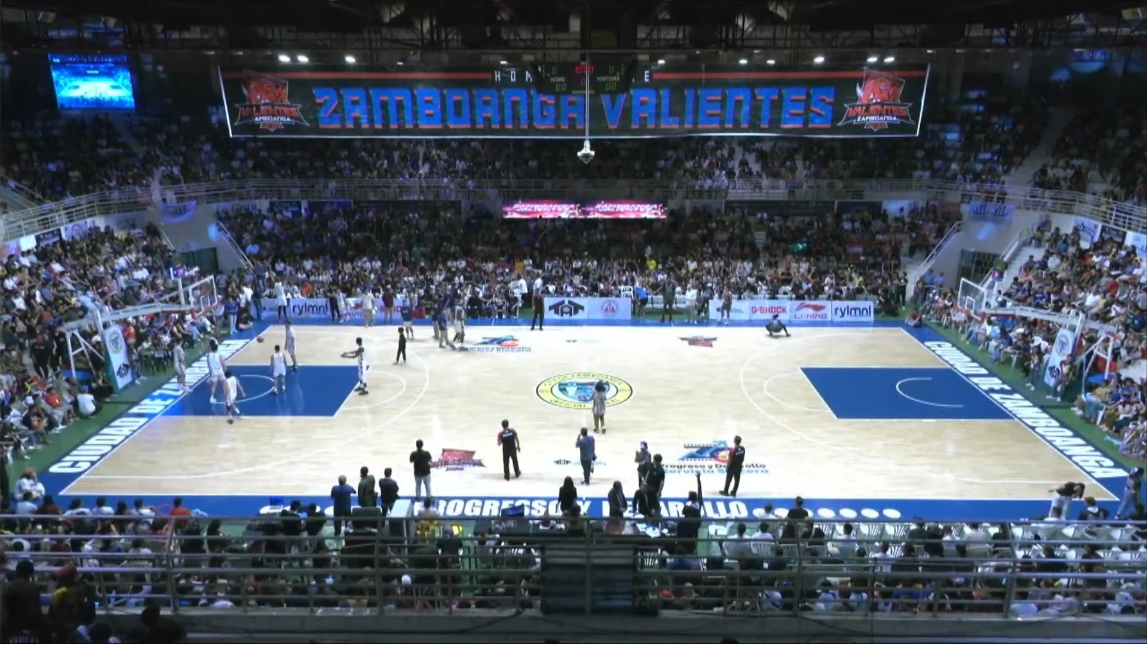
Sports Flooring Basketball Court Glossy Hard Maple Wooden Floor FIBA Fixed Floating
Challenges: Competition from synthetic materials and internalizing environmental costs
Basketball wood flooring is not without challengers. High-end polyurethane and PVC sports flooring can now simulate over 80% of the athletic performance of wood, while offering superior water resistance and lower life-cycle maintenance costs. In budget-sensitive school projects, the market share of synthetic materials is steadily expanding.
A greater variable comes from environmental regulations. The EU’s upcoming Ecodesign Regulation for Sustainable Products requires imported timber products to provide complete carbon footprint statements and proof of legal logging. FSC certification is gradually shifting from a “bonus” to an “entry barrier.” This will undoubtedly increase compliance costs for high-end materials and accelerate the consolidation of small and medium-sized suppliers.
Basketball wood flooring is a specialized manufacturing category defined by standards, supported by data, and valued by installation systems. Its international trade has long transcended simple timber transactions, evolving into an interdisciplinary field encompassing materials science, sports engineering, and multinational engineering management. In this market, which is growing steadily at around 4% annually, the real competitive barrier lies not in who possesses cheaper maple lumber, but in who can more accurately understand the specific connotations of “athletic performance” on different tracks and translate this understanding into deliverable, verifiable, and maintainable technical solutions.
Publisher:
Post time: Feb-12-2026