The global sports landscape is witnessing a seismic shift. Once a niche pastime in Latin America and Spain, Padel has officially become the world’s fastest-growing racquet sport. As we enter 2026, the demand for high-quality infrastructure is skyrocketing, with the global number of courts projected to exceed 70,000 this year.
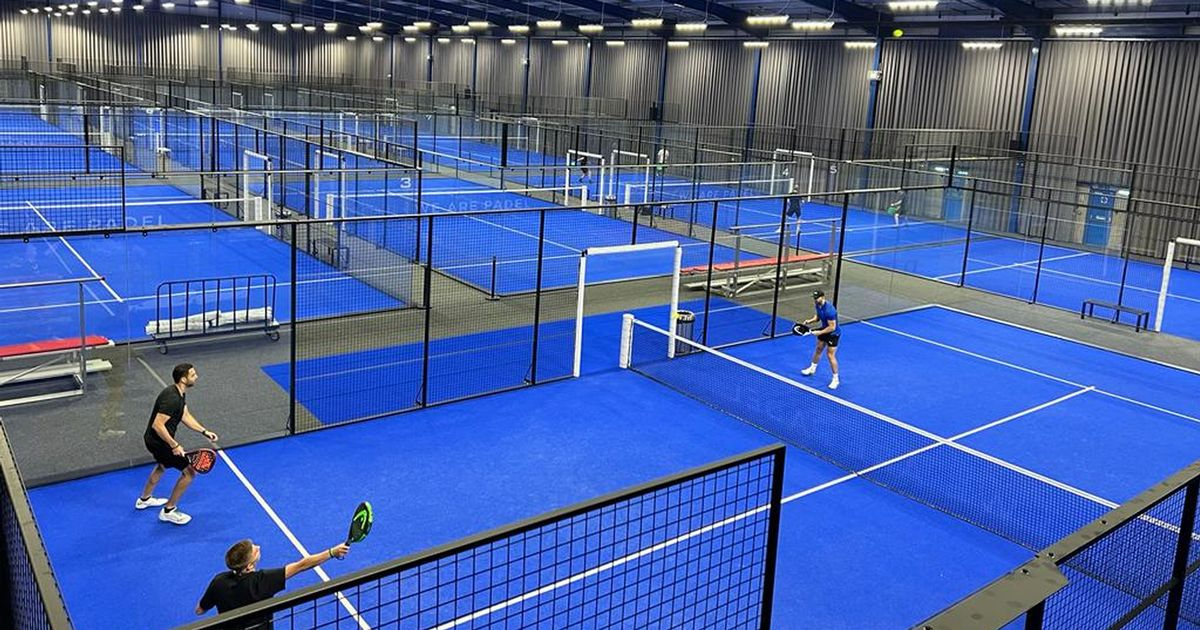
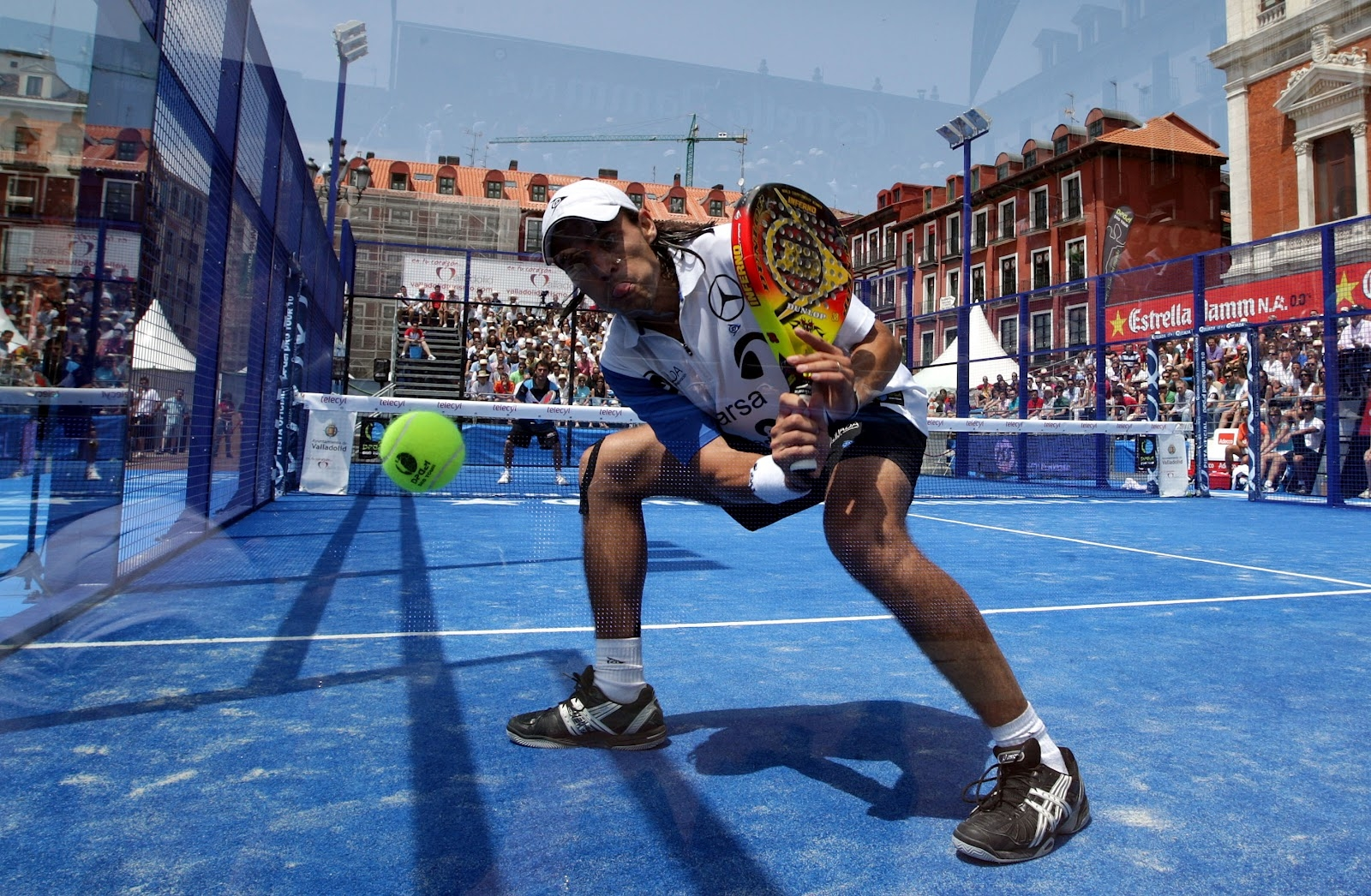
Classic Panoramic Padel Court Outdoor Sport Equipment Custom Design
But what makes a professional Padel court? From the heritage of the game to the precision of a Glass-walled padel court, let’s dive into the evolution of this industry.
The Heritage: From Acapulco to the World
Padel was born in 1969 in Acapulco, Mexico, when Enrique Corcuera modified his backyard to prevent balls from escaping into his neighbor’s yard. By combining elements of tennis and squash, he created a social, fast-paced game that is easy to learn but difficult to master. Today, Padel is no longer just a sport; it’s a global lifestyle, driven by massive investments in Europe, North America, and the Middle East.
Precision Engineering: Padel Court Dimensions
To the untrained eye, it looks like a mini-tennis court, but the Padel court dimensions are strictly standardized to ensure the “bounce-back” playstyle.
Size: A standard double court measures 10 meters wide by 20 meters long.
Structure: It is roughly one-third the size of a tennis court, allowing facility operators to install two or even three Padel courts in the space of one traditional tennis court—a major driver for its commercial profitability.
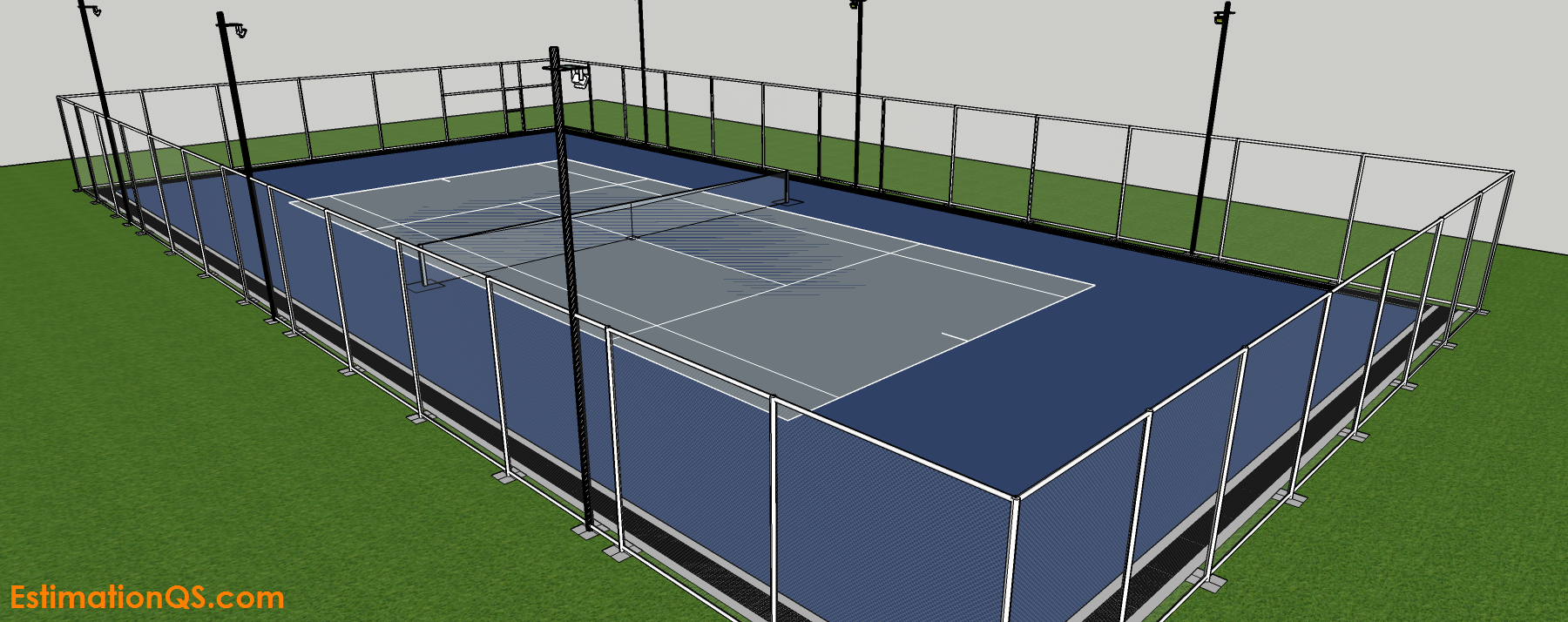
Best Price Panoramic Padel Court Equipment Full Set Outdoor Padel Tennis Court with Glass Rib
The Foundation: Padel Court Surface
The secret to the game’s speed and safety lies in the Padel court surface. Unlike tennis, which uses clay or hard courts, modern Padel relies on Texturized Artificial Turf.
Material: High-density polyethylene (PE) fibers with a sand infill (silica sand).
Performance: This surface provides the perfect balance of grip and slide, reducing the risk of knee and ankle injuries while ensuring a consistent ball bounce across different weather conditions.
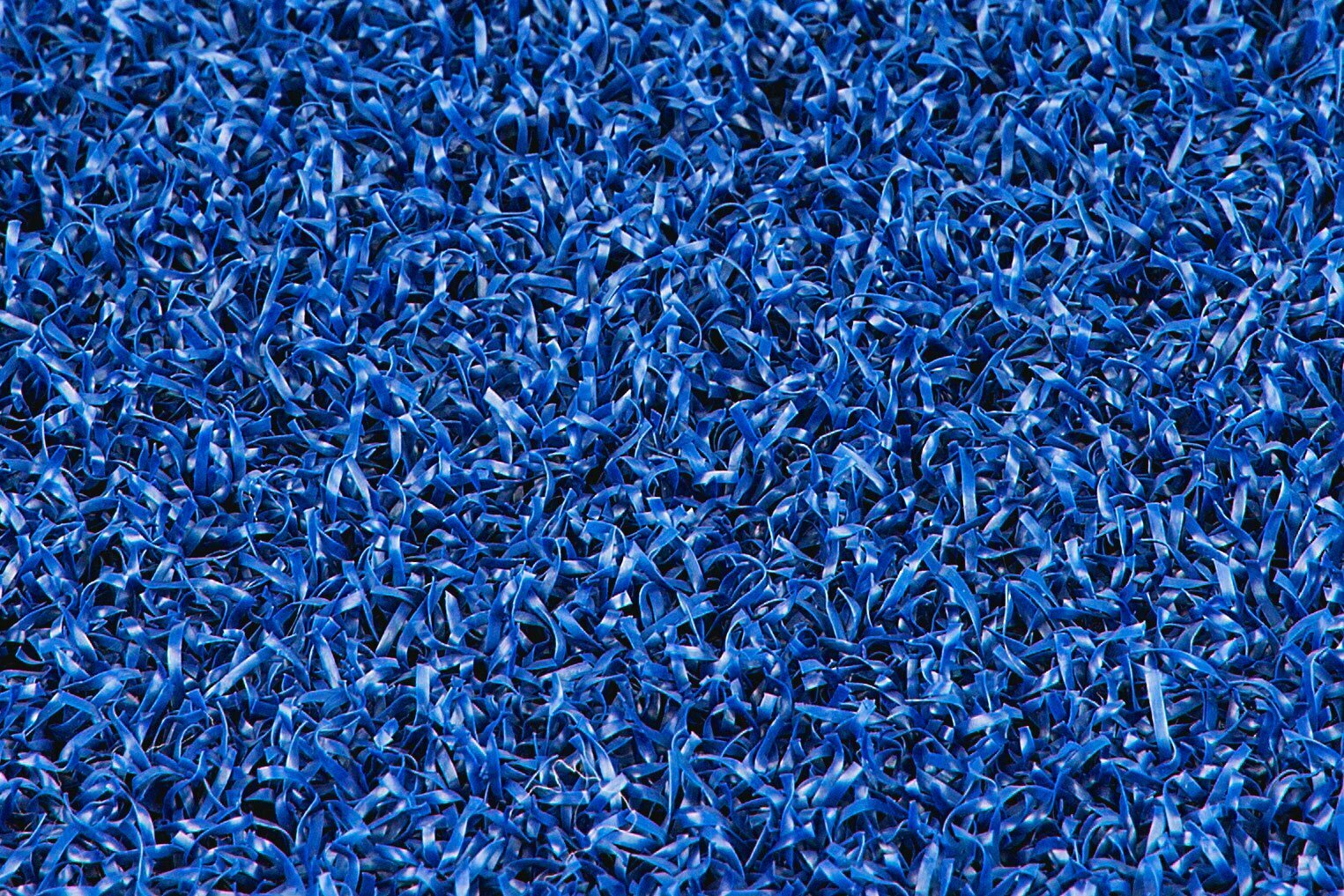
12MM Padel Tennis Grass Lawn Artificial Grass Synthetic Turf Paddel Tennis Courts Padel Pitch
The Enclosure: Glass vs. Metal
The most iconic feature of the sport is the “cage.” A professional installation typically combines two distinct elements:
Glass-walled Padel Court: The back and partial side walls are constructed from 10mm or 12mm tempered glass. This provides the rebound surface essential for gameplay and offers 360-degree visibility for spectators and TV broadcasts.
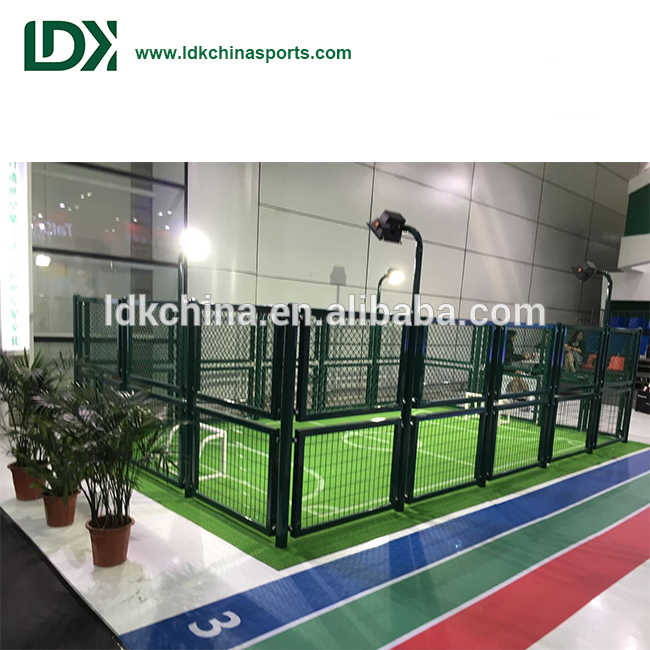
Metal-fenced Padel Court: The remaining sections are enclosed with high-grade galvanized metal mesh. This Metal-fenced padel court structure allows for airflow and creates the “unpredictable” bounce that challenges even pro players.
Full View Glass Super Clear Glass & Hot-dip Galvanized Steel Structure Sports Clubs Padel Court
The Future: Smart & Sustainable Courts
Looking ahead, the industry is moving toward Panoramic Padel Courts—which remove the corner pillars for an unobstructed view—and eco-friendly materials. With the sport being shortlisted for future Olympic consideration, the focus is now on “Turn-key” solutions that combine aesthetics with structural durability.
As a leading provider in the sports infrastructure sector, we are committed to delivering FIP-standard (International Padel Federation) courts that help club owners and investors capitalize on this “Gold Rush” in sports.
Looking to build your own Padel facility? Contact our team today for a customized quote on our Panoramic and Classic court series.
Publisher:
Post time: Jan-04-2026