Against the backdrop of the continuously expanding global sports industry, the demand for constructing indoor basketball venues—particularly in schools, clubs, and professional competition arenas—is steadily on the rise. The sport of basketball not only tests an athlete’s speed, strength, and coordination but also imposes rigorous standards on venue facilities. Among these facilities, wooden basketball flooring serves as a core component, directly influencing athletes’ competitive performance and training safety. Selecting high-quality wooden flooring is therefore of paramount importance for enhancing venue operational standards and ensuring a strong long-term return on investment.
As various domestic and international basketball tournaments gear up for the 2025–2026 season, an increasing number of investors and venue operators are focusing their attention on the selection, materials, installation, and maintenance protocols for FIBA-standard wooden basketball flooring. This article offers an in-depth analysis across five key areas—material selection, maple grading, anti-slip and shock-absorption properties, installation standards, and maintenance—to provide global clients with expert guidance for their purchasing decisions.
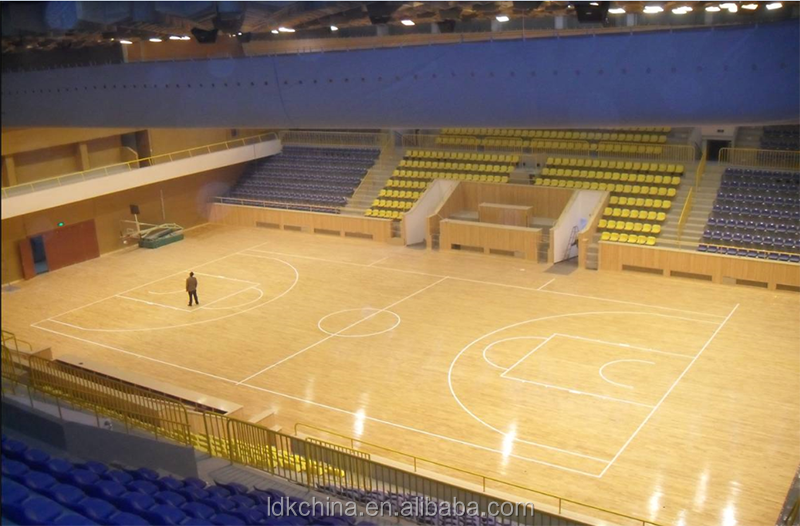
FIBA Standards High Performance Wholesale Portable Indoor Basketball Court Wood Flooring
I. Material Selection for Wooden Basketball Flooring
FIBA-standard wooden flooring for basketball courts typically utilizes high-quality maple or oak. Premium maple, characterized by its high density, excellent toughness, and uniform elasticity, stands as the preferred choice for international competitions and professional clubs. Its surface features a tight grain structure and exceptional wear resistance, enabling it to withstand prolonged, high-frequency usage.
In contrast, while oak flooring also boasts high durability, it falls slightly short of maple in terms of elasticity and rebound performance; it is therefore better suited for venues with low-to-moderate usage frequency or for projects operating under limited budgets. When selecting the appropriate material, a comprehensive assessment should be conducted, taking into account the specific type of venue, the intensity of usage, and the available investment budget.
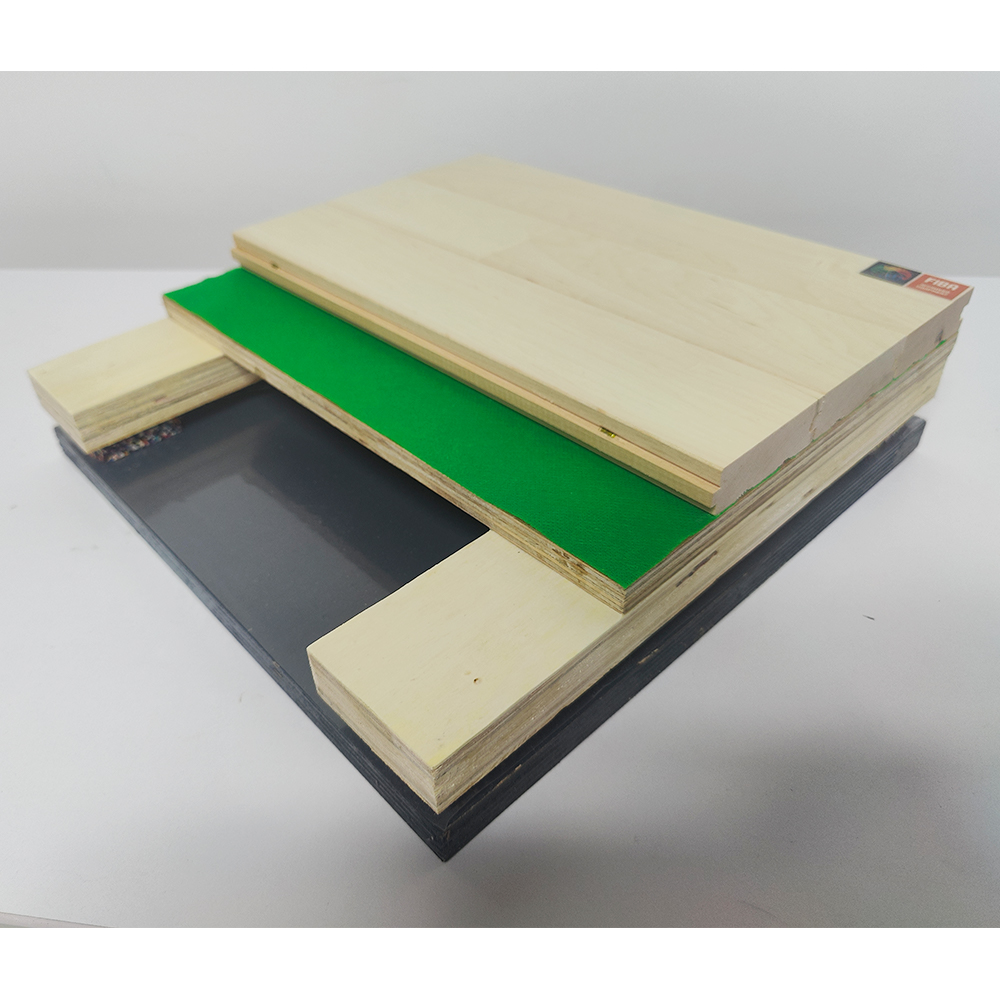
Sports Grade Basketball Court Wooden Flooring with Shock Absorption
II. Maple Grading and Flooring Performance
The grade of the maple used for basketball flooring directly determines the floor’s lifespan, elasticity, and overall comfort level. Maple flooring is typically categorized into three grades: Grade A, Grade B, and Industrial Grade.
Grade A Maple: Features a smooth surface free of knots and uniform coloration; it offers optimal elasticity and rebound performance, making it ideal for international competitions and high-level professional clubs.
Grade B Maple: May exhibit a small number of knots on the surface, yet maintains structural stability; it is well-suited for use in schools and community venues, offering excellent value for money.
Industrial Grade Maple: Best suited for training courts or venues with tight budgets; while its durability and comfort levels are relatively lower, it benefits from significantly lower maintenance costs. Selecting different grades of maple wood not only impacts an athlete’s sense of security during jumping, landing, and running, but also bears upon long-term maintenance and replacement costs. While high-quality maple requires a higher initial investment, it reduces the frequency of repairs and replacements over the long term, thereby offering superior overall economic value.
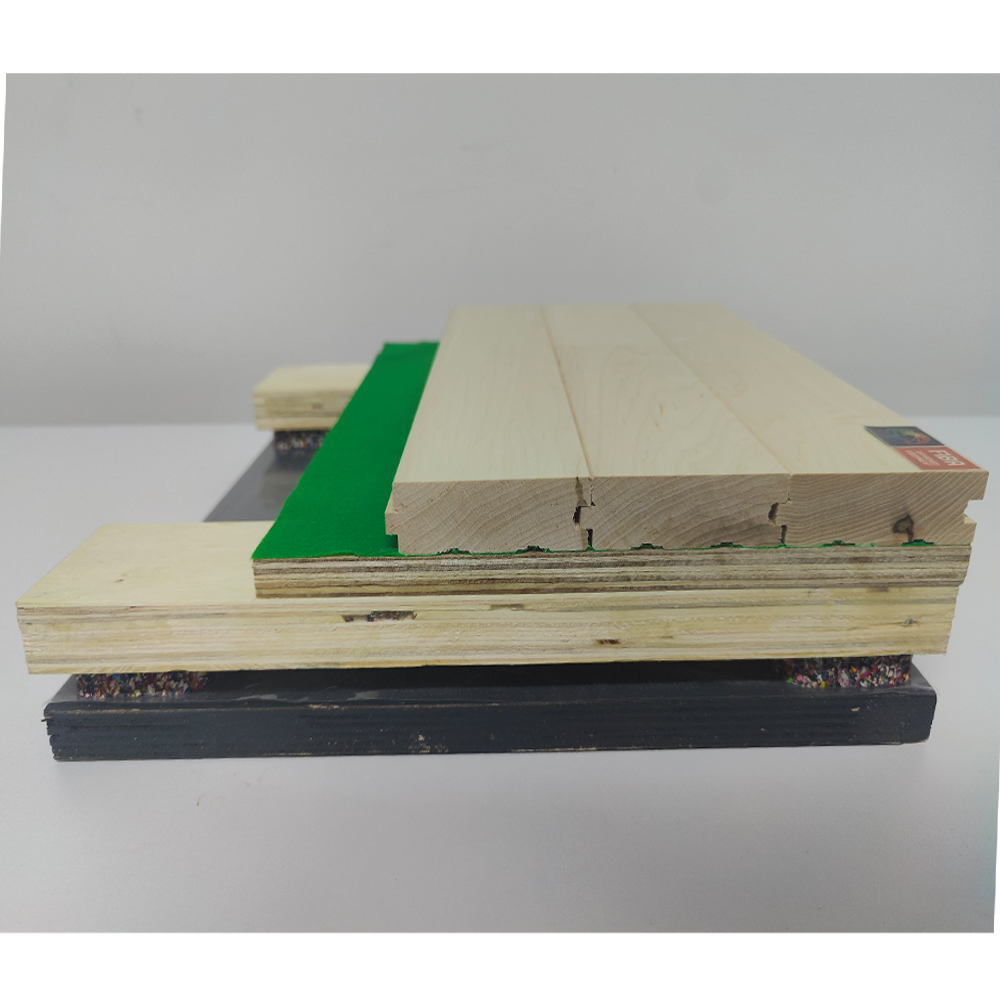
III. Anti-slip and Shock Absorption Performance
The anti-slip and shock absorption properties of basketball wood flooring are critical indicators for ensuring athlete safety. FIBA-standard wood flooring typically incorporates the following technologies:
Anti-slip Coating: A polymer-based coating ensures sufficient friction between athletic footwear and the floor, preventing athletes from slipping during rapid changes in direction or while jumping.
Shock-absorbing Joist System: The installation of resilient joists or shock-absorbing underlayment effectively absorbs impact forces generated during movement, thereby reducing stress on the knees, ankles, and spine.
Rebound Uniformity: The flooring features uniform elasticity, ensuring a consistent basketball rebound trajectory and enhancing both the fairness of competition and the effectiveness of training.
The anti-slip and shock absorption performance of high-quality wood flooring directly impacts safety during both competition and training; simultaneously, it boosts athlete confidence in the playing surface—making these attributes an indispensable standard for high-level sports venues.
IV. Installation Standards and Venue Suitability
The installation process for basketball wood flooring is equally critical. FIBA-standard venues impose strict requirements regarding the flooring’s installation height, surface flatness, and joist spacing:
Installation Height: The overall height of the flooring system must adhere to standard specifications to ensure optimal basketball rebound characteristics and running comfort for athletes.
Flatness: Laser measurement technology is employed to ensure the entire wood floor surface is perfectly flat and free of unevenness, thereby preventing athlete injuries.
Joist Spacing and Support: Shock-absorbing joists are spaced uniformly, and the underlying support structure is robust, ensuring that the flooring remains stable and free of wobbling even after prolonged use.
Furthermore, wood flooring systems must be customized according to the specific purpose of the venue—whether it be a school training facility, a commercial sports club, or a professional competition arena—as requirements for thickness, elasticity, and surface treatment vary across these settings. A well-executed installation plan not only optimizes the athletic experience but also extends the service life of the flooring.
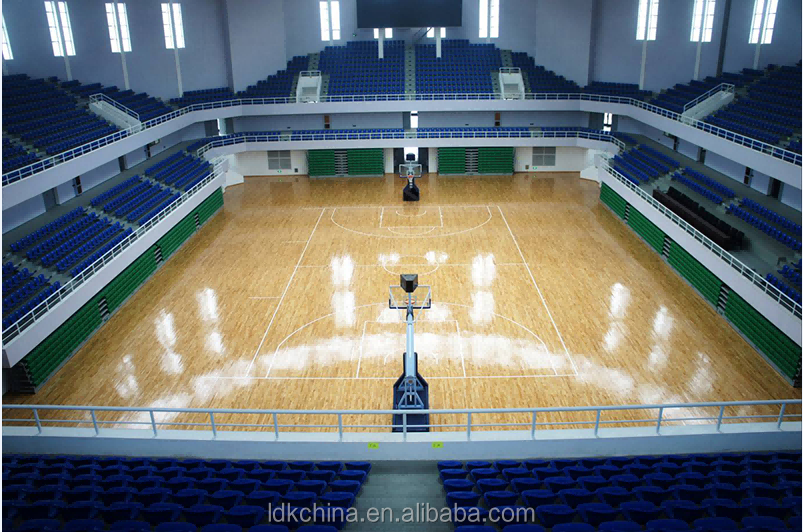
LDK Maple Sports Wooden Flooring FIBA Basketball Floor
V. Maintenance and Care Recommendations
High-quality basketball wood flooring requires a systematic approach to maintenance during daily use:
Routine Cleaning: The surface should be cleaned regularly using professional-grade cleaning agents to prevent the accumulation of dust and perspiration, thereby preserving both its anti-slip properties and aesthetic appeal.
Moisture Control: The venue environment must be maintained at appropriate levels of temperature and humidity to prevent the wood from expanding due to moisture absorption or cracking due to excessive dryness—conditions that would compromise the flooring’s elasticity and durability. Periodic Maintenance: Conduct waxing or refinishing at regular intervals to ensure the flooring remains smooth, wear-resistant, and consistently resilient.
Repair and Replacement: Promptly replace any loose or damaged floorboards upon discovery to prevent athlete injuries and maintain official competition standards.
Through scientific maintenance practices, a wooden basketball floor can retain its performance characteristics for 15–20 years, while simultaneously reducing long-term replacement costs.
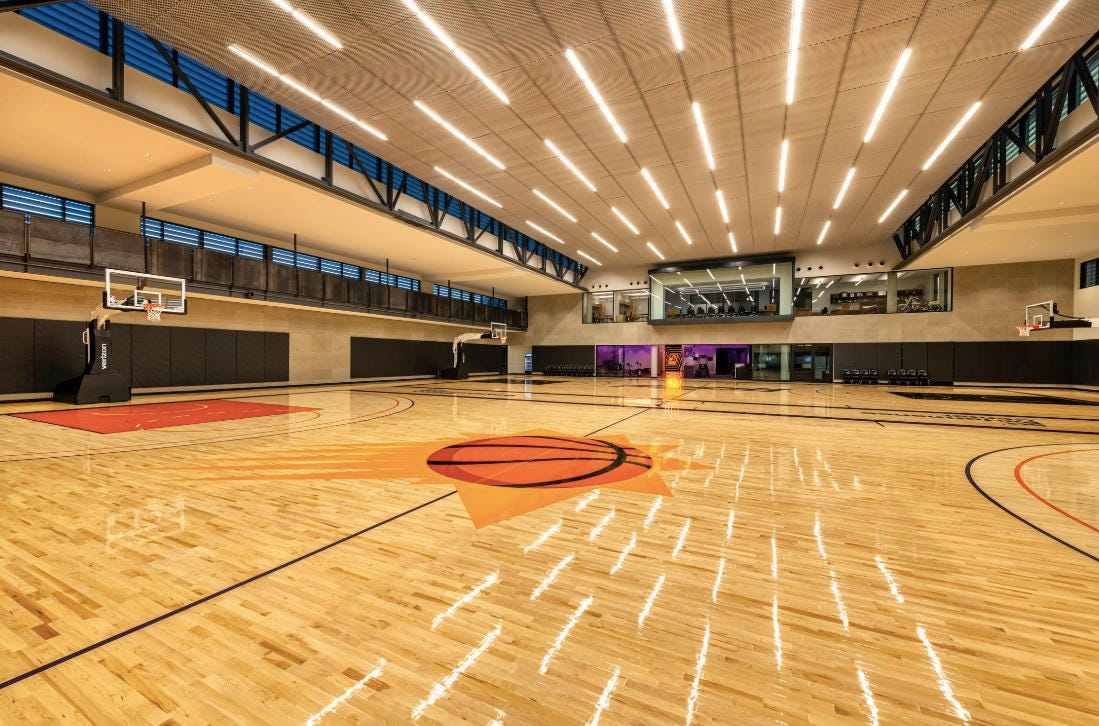
Maple Sports Wooden Flooring Basketball Court Floor Hardwood Flooring Systems
VI. Investment and Selection Recommendations
International Competitions or High-End Clubs: We recommend utilizing Grade A Maple combined with a shock-absorbing subfloor system. A complete installation compliant with FIBA standards will significantly enhance the venue’s professional standing and brand image.
Schools and Community Training Facilities: Options such as Grade B Maple or more economical subfloor systems are suitable choices, balancing performance with cost-effectiveness to meet the demands of daily training and youth sports programs.
Commercial Complexes: Select appropriate flooring thickness and resilience treatments based on the size of the space and anticipated usage frequency. Additionally, integrate LED lighting and smart monitoring systems to boost venue operational efficiency and enhance the user experience.
Investing in high-quality wooden basketball flooring not only elevates the athletic experience and safety standards but also extends the venue’s lifespan, thereby increasing long-term financial returns and overall venue value.
VII. Conclusion
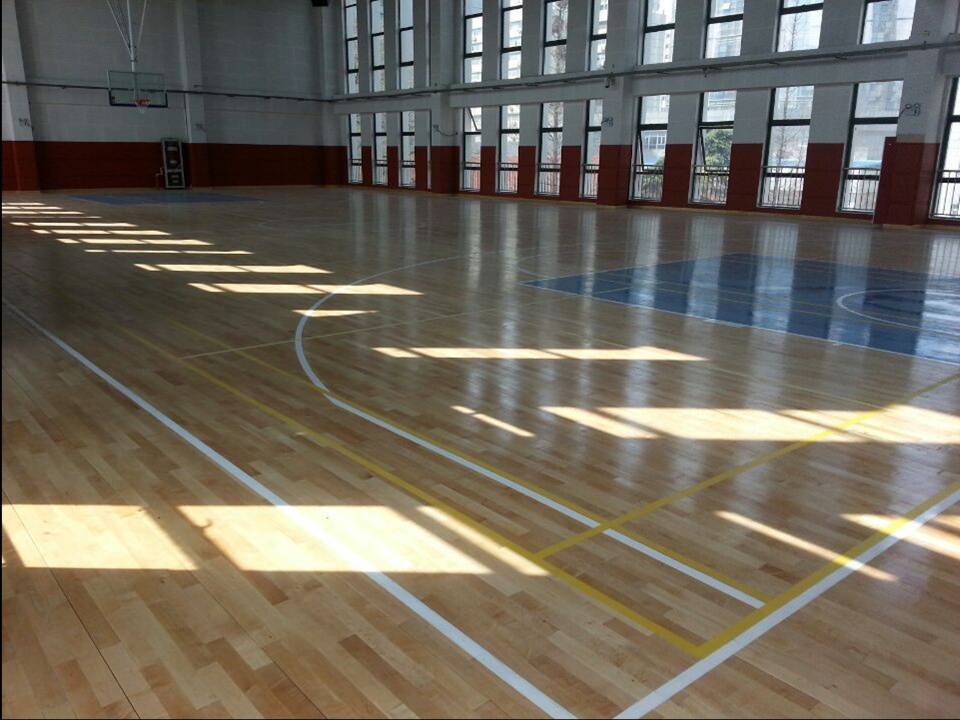
Wooden basketball flooring serves as the core facility within any indoor basketball venue; its material composition, maple grade, and anti-slip and shock-absorption properties directly impact athlete performance and venue operational efficiency. FIBA-standard wooden flooring is widely adopted across international competitions, sports clubs, and educational institutions; when combined with professional installation and regular maintenance, it ensures long-term stability and a solid return on investment.
For investors and venue managers, selecting high-quality wooden flooring is not merely a prerequisite for safeguarding athlete safety and enhancing the training and competition experience; it is also a crucial strategic imperative for boosting the venue’s commercial value and operational efficiency.
Publisher:
Post time: Apr-01-2026