As the 2025–2026 international track and field season gets underway, the attention of enthusiasts worldwide has once again focused on events such as the high jump, hurdles, pole vault, shot put, discus throw, and javelin throw in the Athletics Field. From the Olympic Games to the World Athletics Championships, these spectacular competitions not only showcase the speed, strength, and technique of the athletes but also underscore the pivotal role that specialized Athletics equipment plays in both training and competition. Whether in schools, sports clubs, or professional training centers, high-quality, standardized Athletics products have emerged as a critical pillar driving the advancement of the entire industry.
Throughout the various competitions of this season, we observe that athletes place extremely high demands on their Athletics equipment—whether exploding from the starting blocks in the hurdles, soaring through the air in the high jump, or executing throws in the discus and shot put. The stability of starting blocks, the flexibility of high jump crossbars, the safety of throwing cages, and the shock-absorption capabilities of landing mats—every single detail can have a direct impact on competitive performance and training safety. This serves as a vital reminder to athletes and coaching teams regarding the importance of careful equipment selection, while also providing clear direction for institutions looking to invest in athletic facilities and optimize their training Athletics Field.

Event-Driven Growth: Development and Trends in the Track and Field Industry
Track and field—hailed as the “Mother of Sports”—encompasses a core range of disciplines, including sprints, hurdles, high jump, pole vault, and throwing events. Driven by the global expansion of the sports industry and the widespread adoption of the “fitness for all” philosophy, the demand for venue construction to support track and field competitions and training has continued to rise. Statistics indicate that in recent years, the number of international track and field events has steadily increased, while the number of youth training programs and community-based track and field clubs has also seen rapid growth; this trend has generated immense business opportunities for the market for track and field products and equipment.
Concurrently, competitive events are imposing increasingly stringent standards regarding equipment specifications and safety requirements: equipment certified by World Athletics (formerly the IAAF) has become an absolute prerequisite for international competitions. Whether it involves hurdles, high jump crossbars, throwing cages, or landing mats, every piece of equipment undergoes rigorous design and testing processes to ensure athlete safety and enhance training efficiency.
Essential Track & Field Equipment Guide
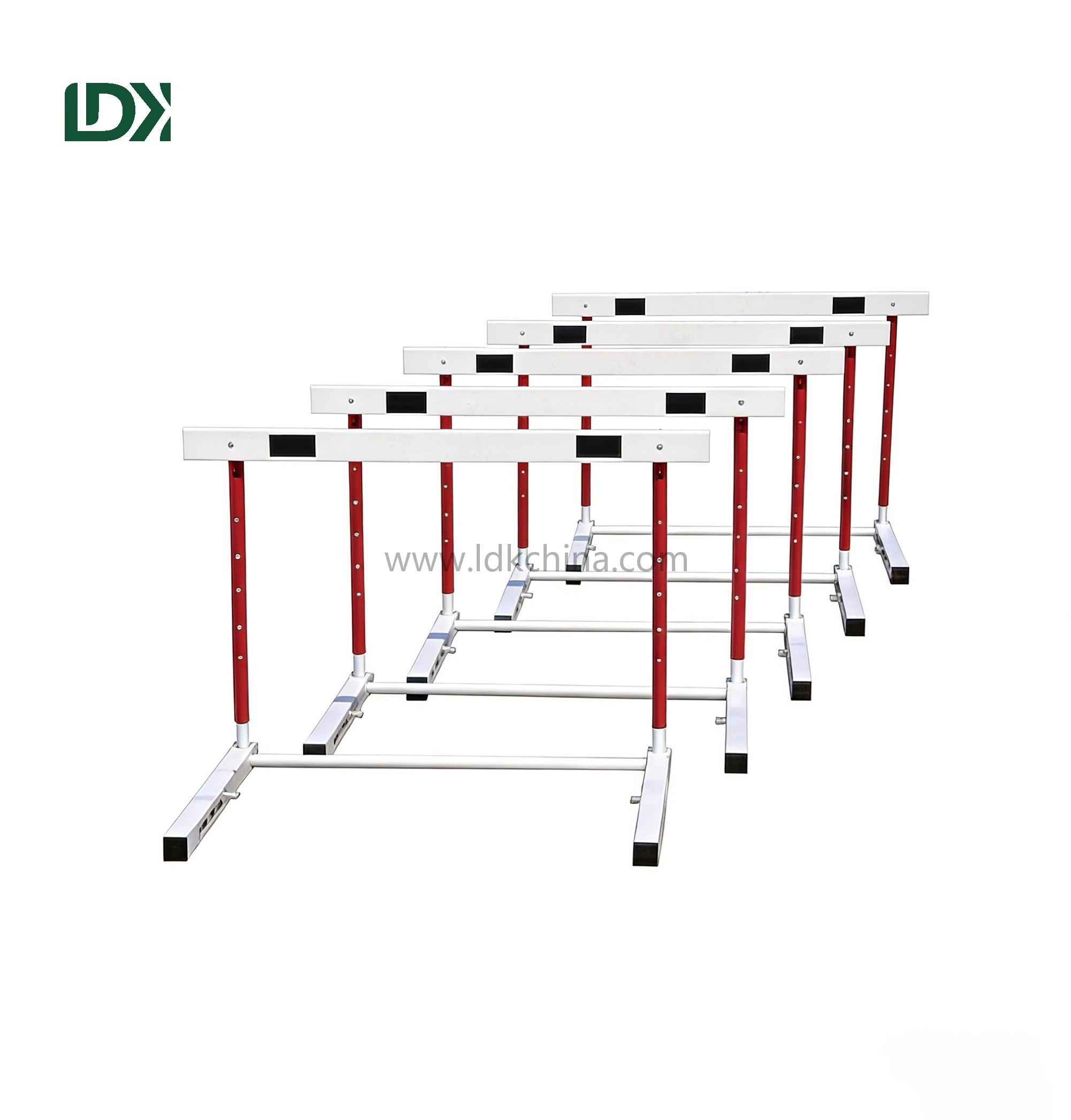
Top-Grade Competition Hurdles
Hurdling is one of the most fundamental events in track and field, and one that places the greatest demands on an athlete’s sense of rhythm and explosive power. High-level competition hurdles are constructed from high-strength aluminum alloy or steel; featuring adjustable heights and a stable structural design, they ensure a fluid takeoff while minimizing the risk of falls and injuries during both training and competition. In schools and sports clubs, hurdles serve as essential training equipment as well as standard fixtures for competitive events.
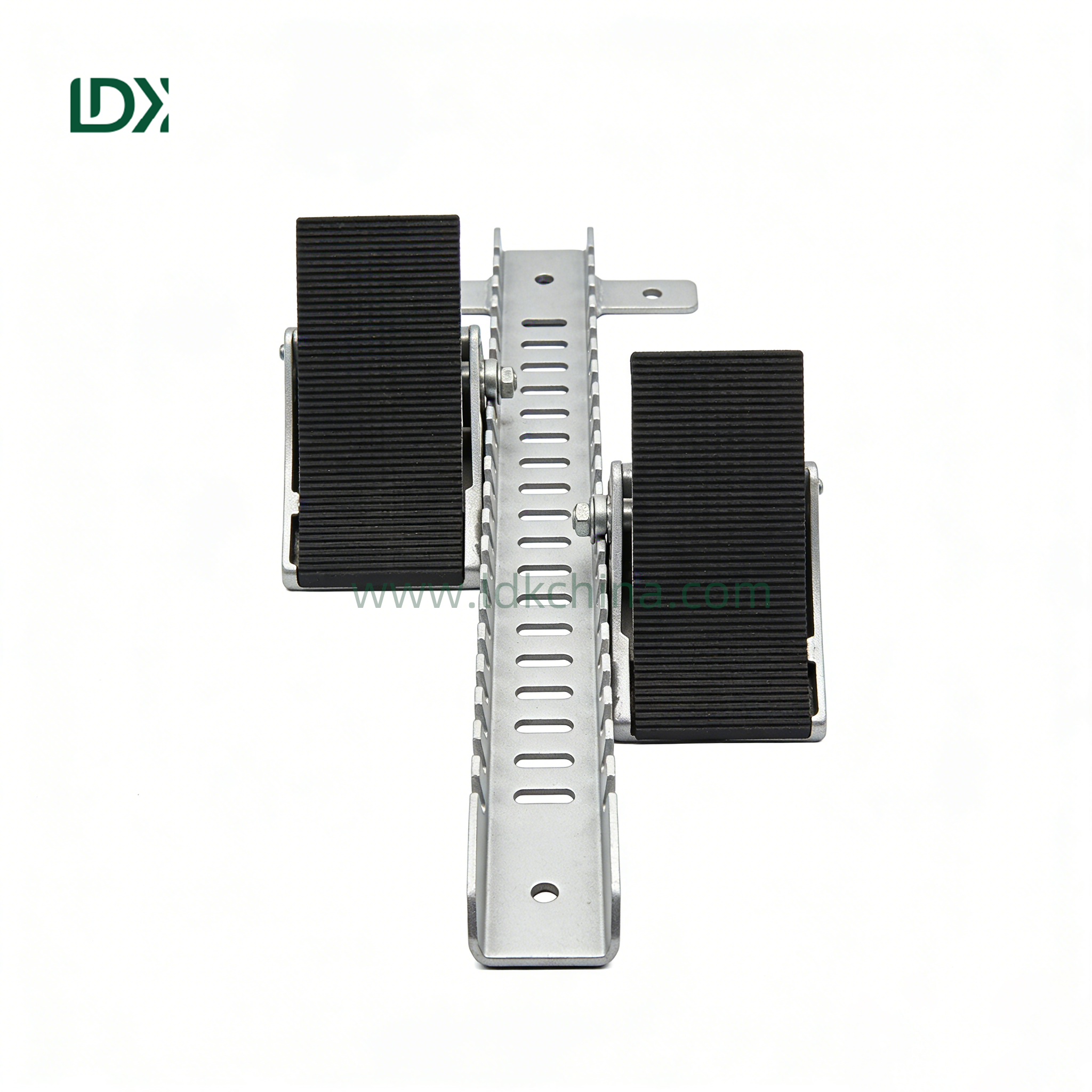
Steel Starting Block
In sprinting and hurdling events, the starting phase dictates the pace of the race. High-quality steel starting blocks are sturdy and durable; their non-slip bases ensure stability across various track surfaces, enabling athletes to fully unleash their explosive power. The precision and comfort of the starting blocks directly influence an athlete’s starting posture and reaction speed, making them an indispensable piece of foundational equipment in track and field athletics.
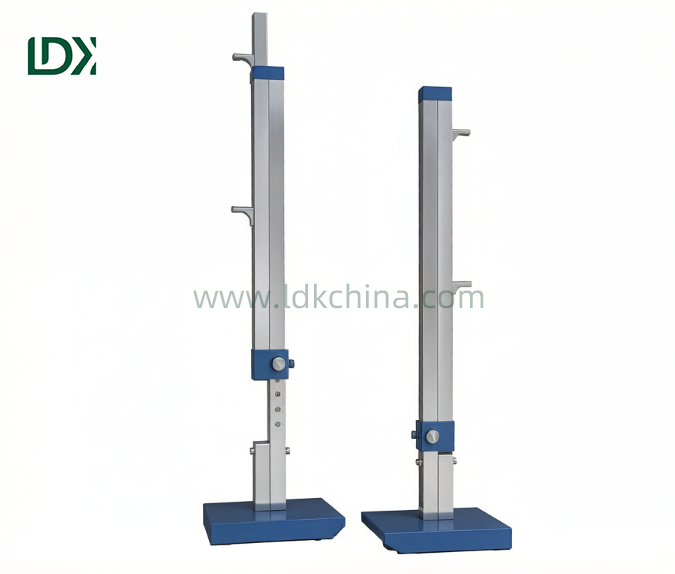
High Jump Crossbars and Standards
Stainless Steel High Jump Standards (Competition Grade)
Aluminum Alloy High Jump Standards
The high jump discipline places extremely rigorous demands on the stability and resilience of both the crossbar and the standards. The stainless steel standards—designed for competition use—boast high structural strength and corrosion resistance, making them ideal for outdoor environments and high-intensity training facilities. Conversely, the aluminum alloy standards are lightweight, facilitating easy handling and suitability for routine daily training. A judicious selection of crossbars and standards not only ensures safety but also assists athletes in pushing their limits to achieve greater heights.
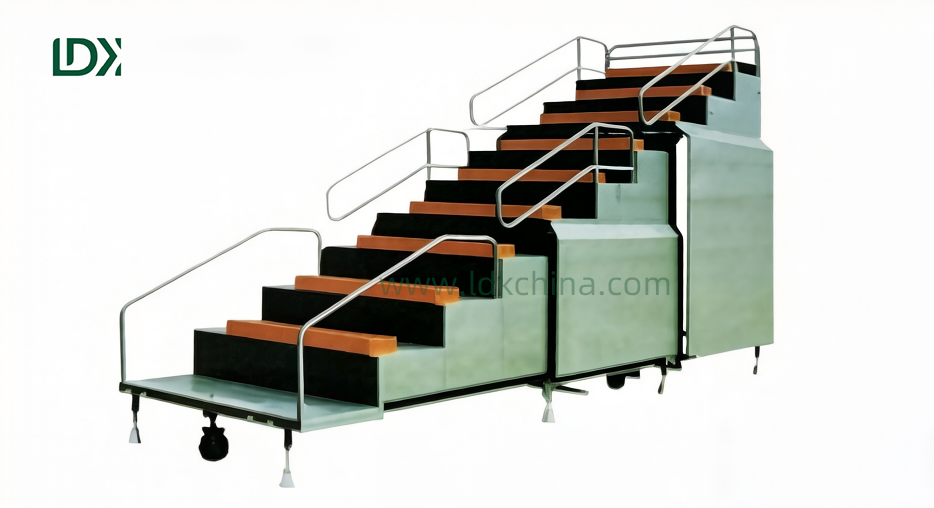
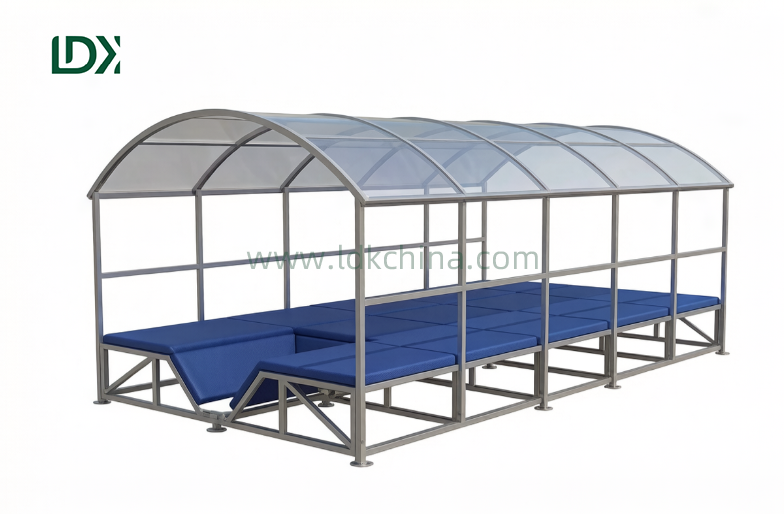
Judge Stand
In professional competitions, the judges’ stand serves not only as a critical vantage point for observing the event but must also meet rigorous standards for safety and stability. Constructed from high-strength materials, the stand ensures that officials can maintain a secure and steady position at an elevated height, enabling them to effectively monitor the entire track and throwing area—thereby enhancing both the fairness of the competition and the efficiency of its management.
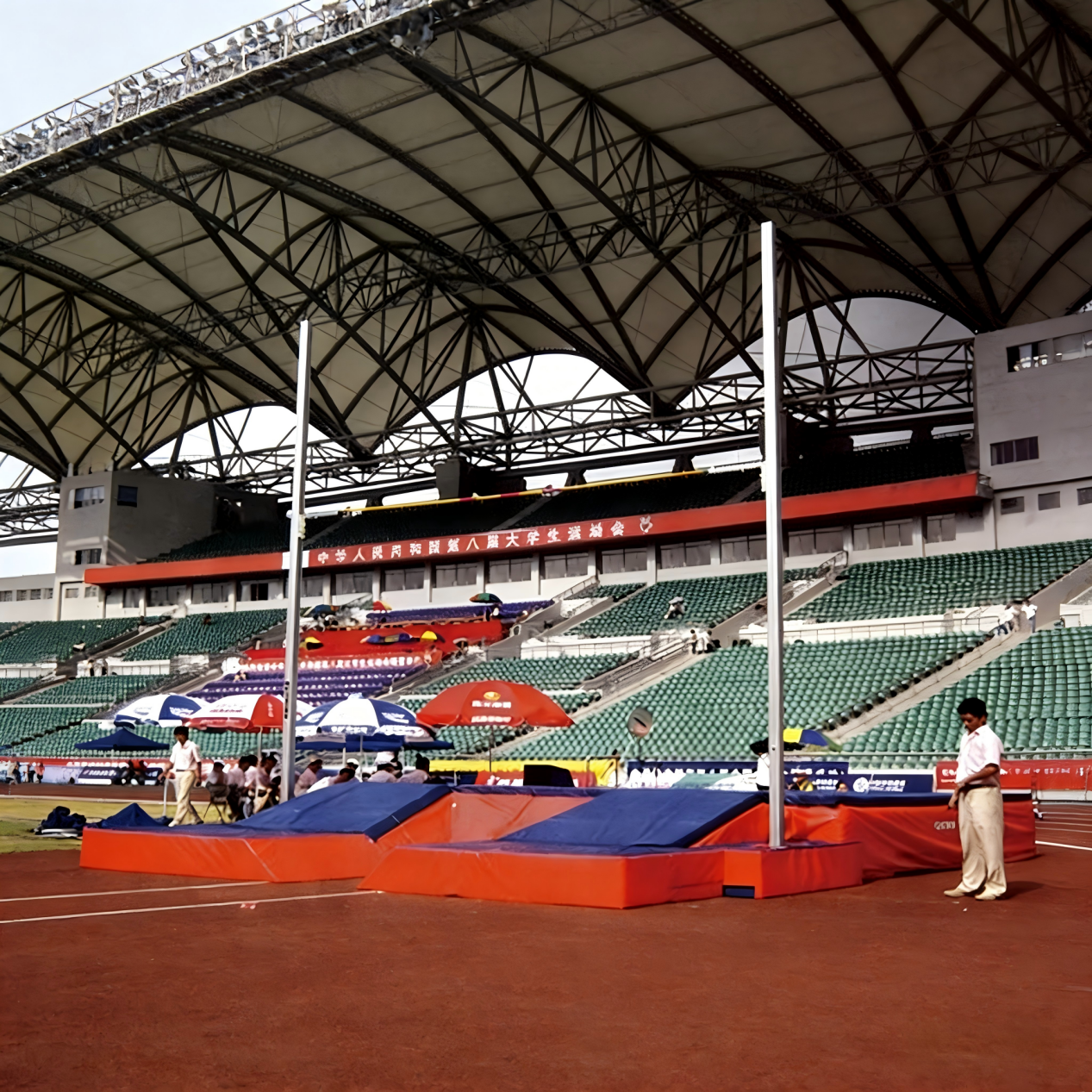
IAAF Pole Vault Stand
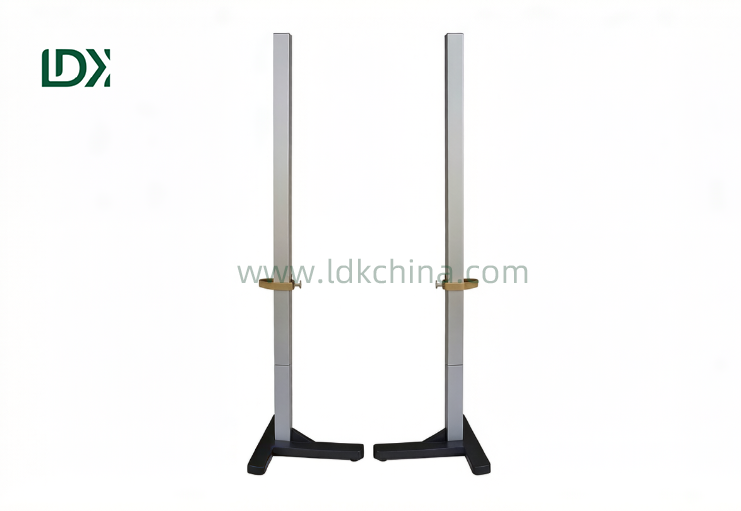
The pole vault discipline requires in the Athletics Field high-strength uprights to support both the crossbar and the weight of the athlete. IAAF-certified uprights adhere to international standards and are characterized by a high safety margin and exceptional stability, making them the standard equipment for both professional training and international competitions in the Athletics Field, and they are a representative product of the high-end segment of the Athletics industrial.
Throwing Implements: Shot Put and Discus
Aluminum Shot Put
Aluminum Discus
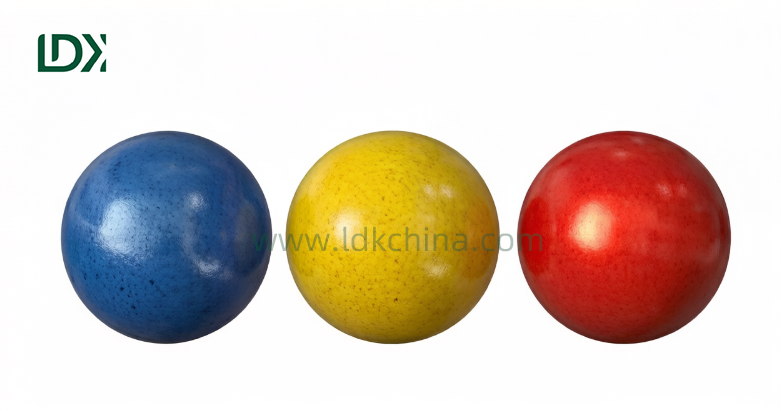
The precision and safety of throwing events rely on high-standard shot puts and discus. Crafted from aluminum alloy, these implements strike a balance between lightweight handling and structural strength, thereby ensuring operational safety during both training and competition. For athletes engaged in technical training and competitive events, the standardization and reliability of their equipment directly impact their performance outcomes.
Shot Put Collector
IAAF Discus And Hammer Throwing Cage
IAAF Discus Throwing Cage
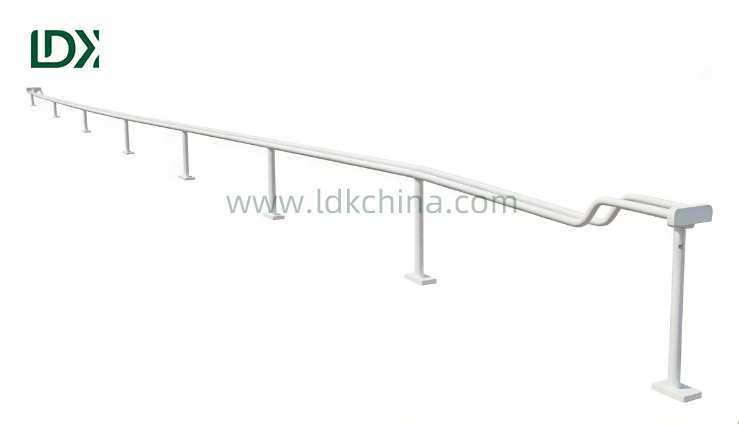
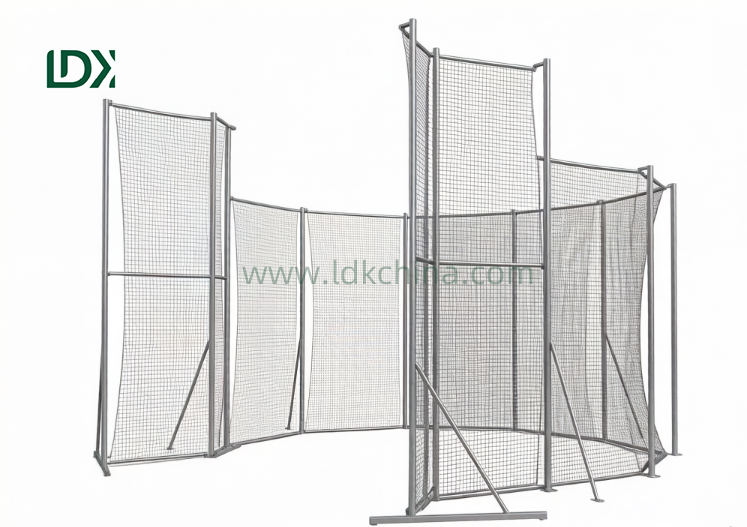
Safety cages and retrievers are utilized during training and competitions to ensure the safety of both athletes and the venue, while simultaneously enhancing training efficiency. The safety cage prevents throwing implements from straying beyond the designated area, while the retriever facilitates the rapid collection of shot puts, offering a convenient solution for high-frequency training scenarios.
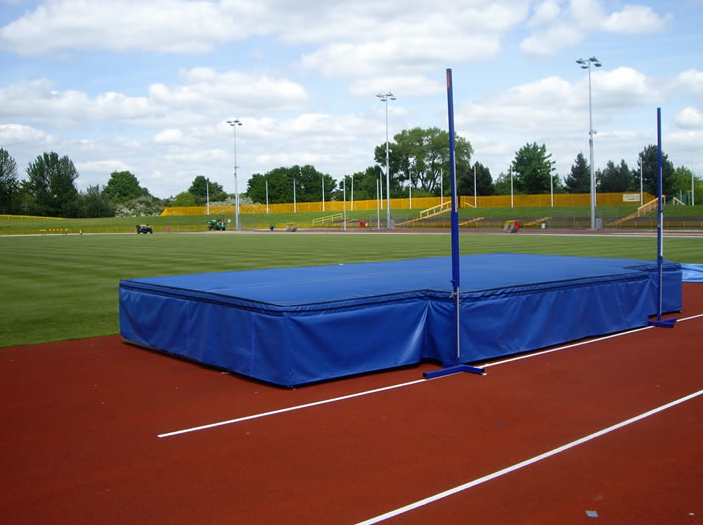
Pole Jump Mats Shelter
The pole vault landing mat cover is designed to shield the landing zone, protecting athletes from injury during high-altitude landings while simultaneously extending the lifespan of the mat. Its protective design complies with international competition standards, making it an indispensable piece of safety equipment for professional training facilities.
The Application and Promotional Value of Track and Field Products
With the expansion of youth programs and community-level competitions, the demand for track and field equipment from schools and clubs has been rising year after year. High-quality equipment not only ensures safety during training and competition but also helps enhance the technical proficiency of athletes. For instance:
Hurdles and starting blocks assist sprinters in optimizing their starting technique, thereby boosting their explosive power and reaction speed.
High jump crossbars and landing mats provide a safe environment for jumping events, encouraging athletes to attempt more challenging maneuvers.
Throwing implements and safety cages ensure that training for throwing events is both efficient and secure, minimizing the risk of accidental injury.
In the international trade market, high-standard, IAAF-certified equipment is highly sought after by schools, clubs, and event organizers worldwide. By offering comprehensive equipment packages covering hurdles, high jump, pole vault, and throwing events, suppliers can provide clients with a one-stop procurement solution, thereby enhancing customer satisfaction and market competitiveness.
Summary
Recent international track and field competitions have once again demonstrated that high-quality athletic equipment is crucial for ensuring training safety, enhancing athlete performance, and driving the advancement of the track and field industry. Whether it be hurdles, starting blocks, high jump crossbars, or shot puts, discus, throwing cages, and pole vault landing mats—every piece of Athletics equipment and Athletics products is meticulously designed and certified to ensure both professionalism and safety in the Athletics Field.
With the rapid expansion of youth programs and community-level events in the Athletics Field, the demand for comprehensive sets of Athletics equipment and Athletics products among schools, clubs, and international competition organizers is steadily on the rise. Investing in high-quality Athletics equipment and Athletics products not only elevates athletes’ technical proficiency and training efficiency in the Athletics Field but also contributes to enhancing the operational value and market competitiveness of sports venues, further fueling the development of the Athletics industrial.
Publisher:
Post time: Mar-27-2026