The global pickleball craze is transitioning from explosive growth to a new phase of refined and professional development. The market is exhibiting a clear dual-track differentiation between indoor and outdoor courts, which is not only reshaping consumption scenarios but also profoundly driving structural changes in upstream manufacturing and the global foreign trade supply chain.
Market Differentiation: Scenarios Determine Product Logic
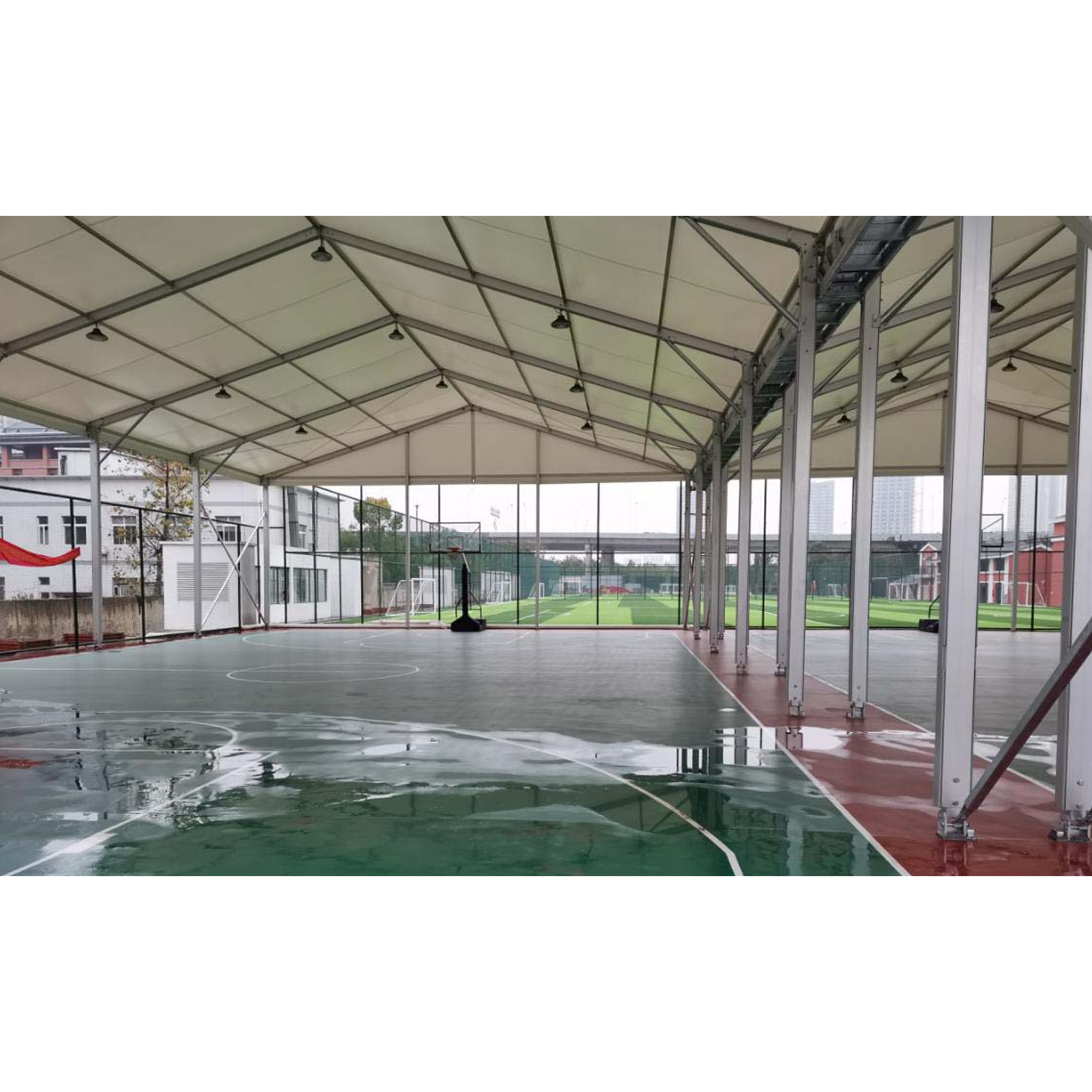
In North America, the birthplace of pickleball, a landmark turning point has emerged: in 2023, the number of newly added indoor pickleball courts historically surpassed that of outdoor facilities for the first time. The core driver of this shift is not the weather, but a clear business logic. Large chain high-end gyms (such as Life Time) and urban center renovation projects are using pickleball as a strategic choice to improve space utilization and enhance member loyalty. The core demand for indoor courts is a “controllable, high-quality experience,” which directly translates into strong demand for professional-grade suspended sports flooring (providing crucial protection and bounce), glare-free, competition-grade lighting systems, and acoustically optimized designs. The technological complexity and added value of such orders far exceed those of traditional outdoor courts, marking a significant upward shift in the industry value chain.
Meanwhile, outdoor peak courts haven’t shrunk; instead, they’ve evolved towards greater durability, suitable for all weather and terrain. The focus of their technological competition is “climate adaptability.” From the freeze-thaw cycles of Canadian winters to the extreme UV radiation of UAE summers, new-generation modified acrylic surfaces and modular elastic base systems must ensure stable ball bounce and roll consistency under vast temperature variations. This has transformed outdoor courts from relatively standardized products into technological solutions requiring parametric adjustments based on specific regional climate databases to meet the diverse needs of everything from community parks to resorts.
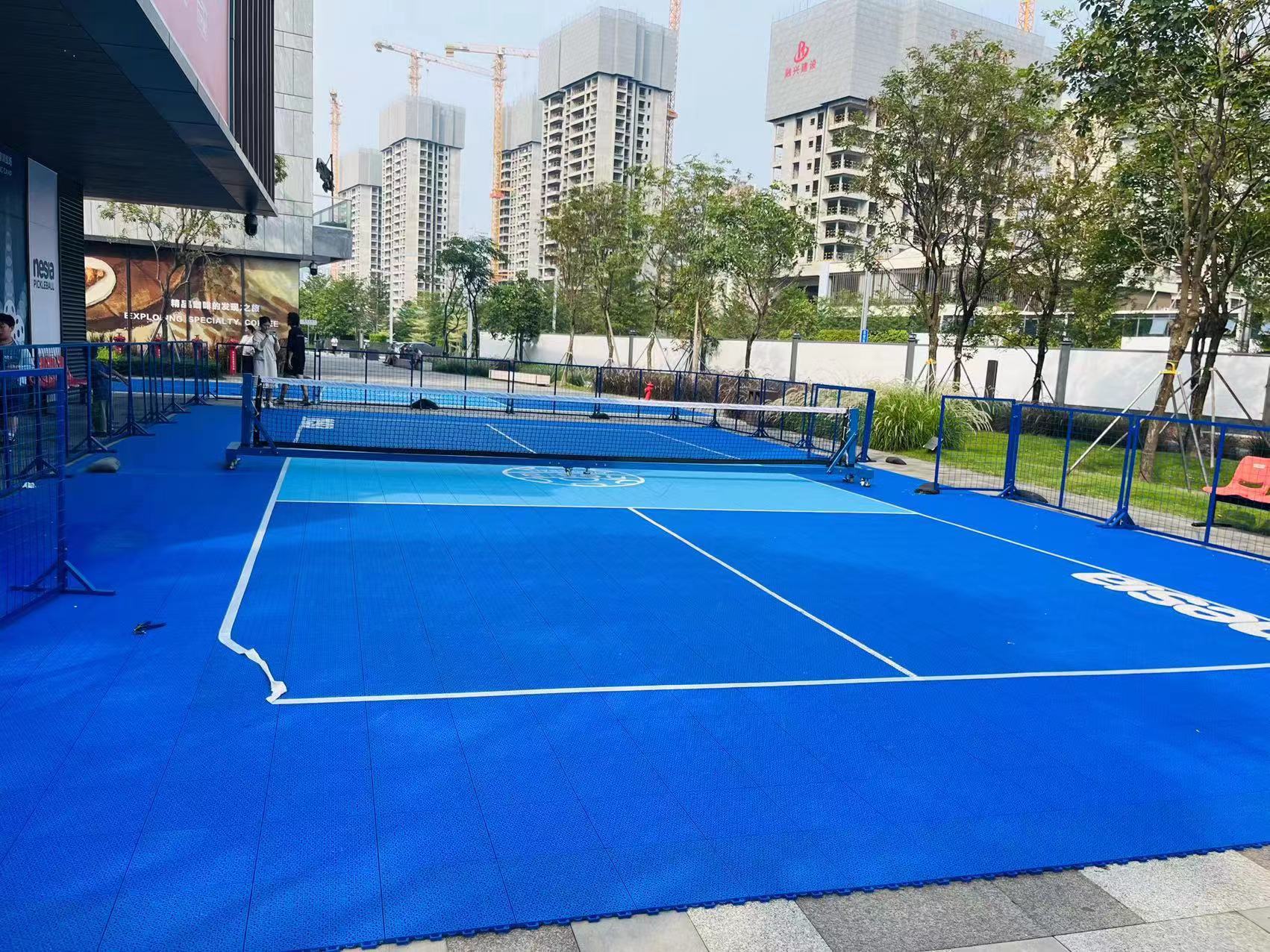
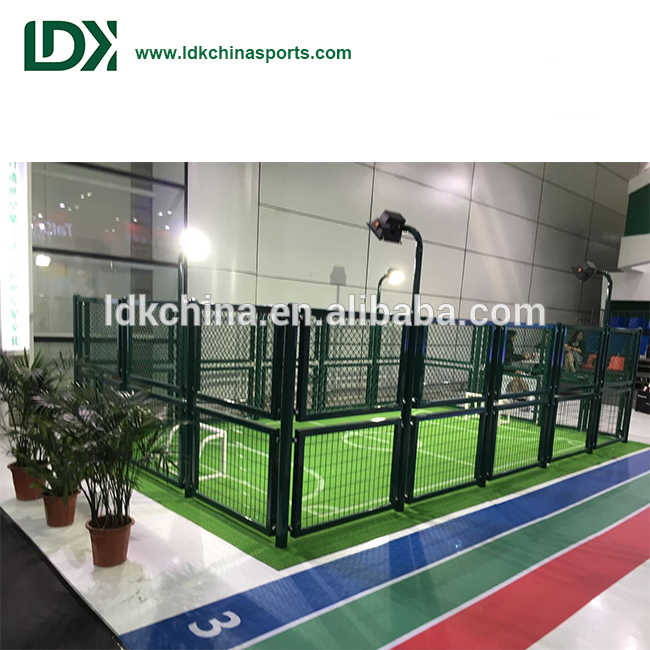
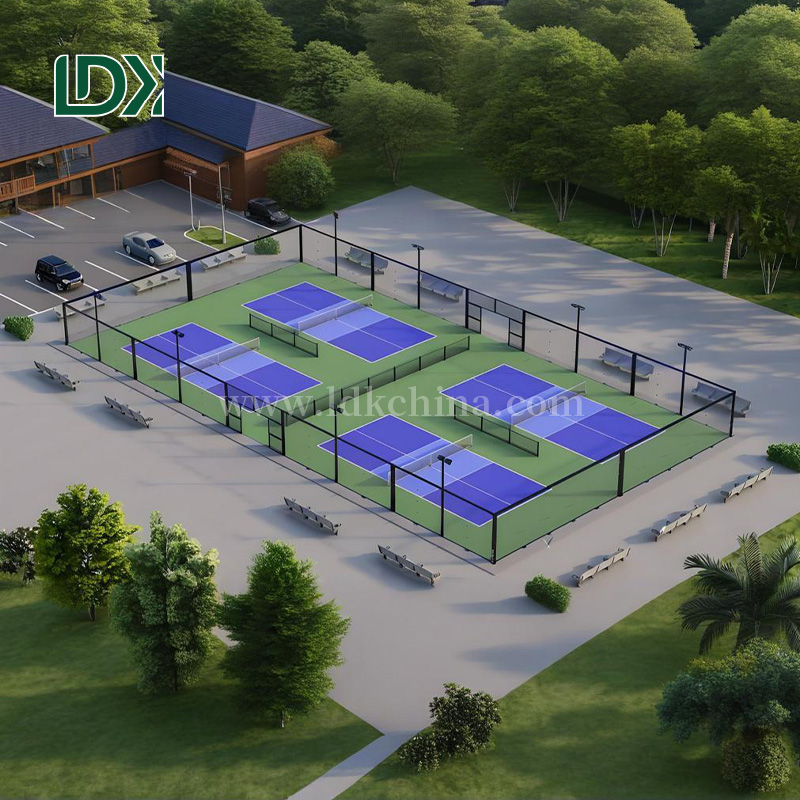
Custom Size Pickleball Court Solution for Commercial Facilities
Equipment Synergy: From Single Products to System Solutions
The maturing and specialized market has given rise to the high-end peak ball segment. However, a crucial issue previously overlooked by the industry chain has surfaced: athletic performance isn’t determined solely by the court or the equipment, but rather by their “system compatibility.” High-end balls of different brands and materials interact subtly with various surface materials, directly affecting the ball’s bounce, spin, and durability.
Leading venue manufacturers and foreign trade suppliers have keenly recognized this pain point and begun offering integrated performance testing and matching services for both venues and equipment. Conducting comprehensive on-site testing using various mainstream certified competition balls and issuing data reports before project delivery is becoming a new standard for serving high-end clients. This is driving the foreign trade model of “Made in China” to upgrade from exporting discrete “products” to providing scientifically validated “collaborative systems” that maximize the end-user experience, thereby building a deeper technological moat and customer loyalty.
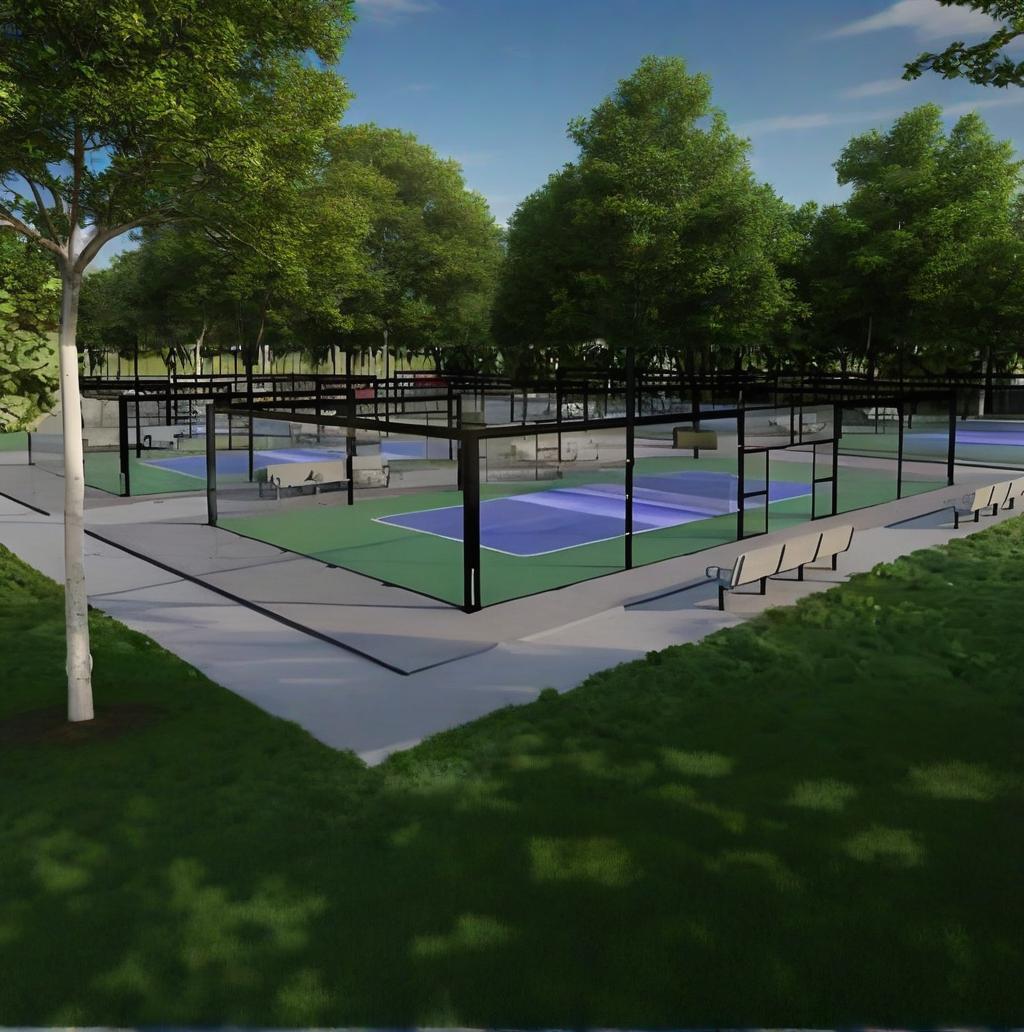
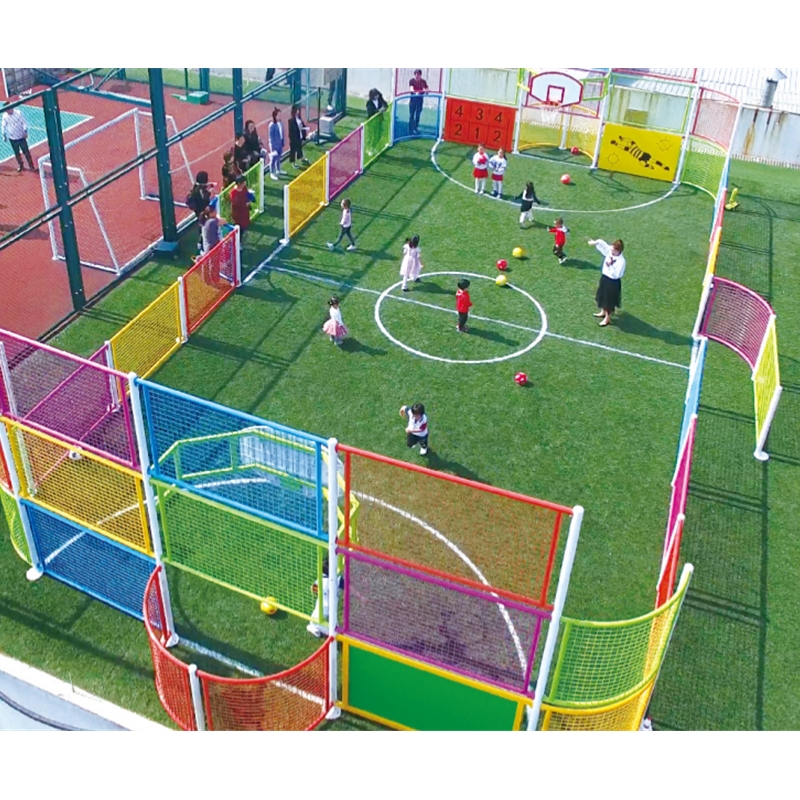
Outdoor Pickleball Court for School and Community Installation
Foreign Trade Upgrade: Structural Transformation and Value Leap
This industrial evolution is directly reflected in the foreign trade data and structure of related Chinese products. The main engine of export growth has shifted from early basic materials such as fencing and mats to three high-value directions:
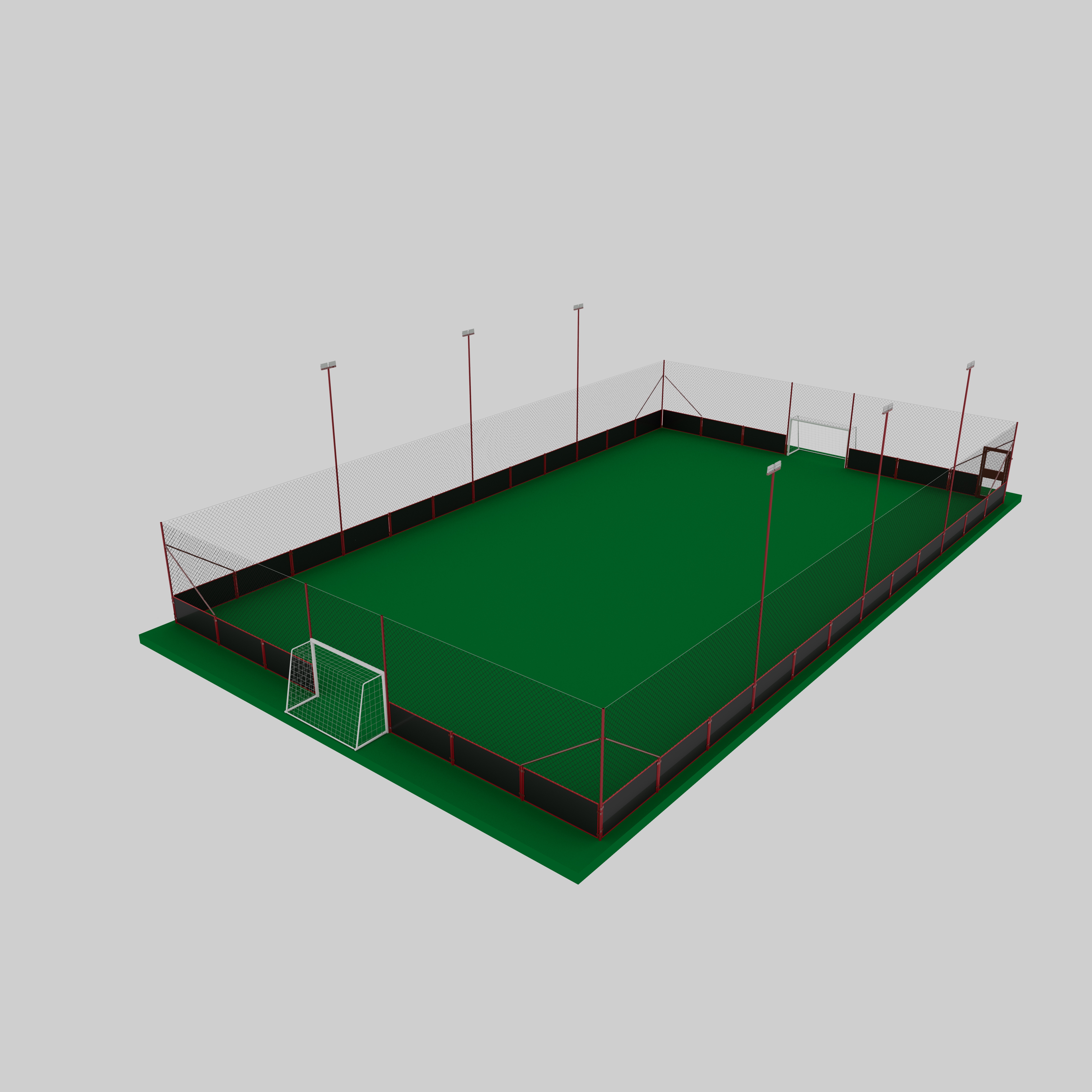
High Value-Added Integrated Modules: Integrated intelligent venue units pre-installed with lighting, fencing, and pillars are experiencing rapid export growth due to their ease of rapid deployment and quality assurance.
Professional Services and Certification Tools: Portable certification tool kits for on-site testing of ball bounce height and ground friction coefficient have become a “technical calling card” for entering the professional market.
Total Solution Output: The key to winning large-scale international projects is the increasing tendency to provide turnkey engineering capabilities, ranging from 3D design simulation and intelligent appointment management software to long-term maintenance contracts.
Looking Ahead: Smart Infrastructure and Data Value Chain The next competitive dimension in the industry is clearly visible. The “smart stadium” of the future will not only be about construction, but will become an interactive infrastructure integrating environmental sensors and automatically adjusting the microclimate. More profoundly, by anonymously collecting and desensitizing data such as ball trajectories and game patterns through edge computing devices, highly valuable sports analysis reports and trend insights can be generated. These data assets are of strategic significance for sports brand development, urban public sports planning, and even health management.
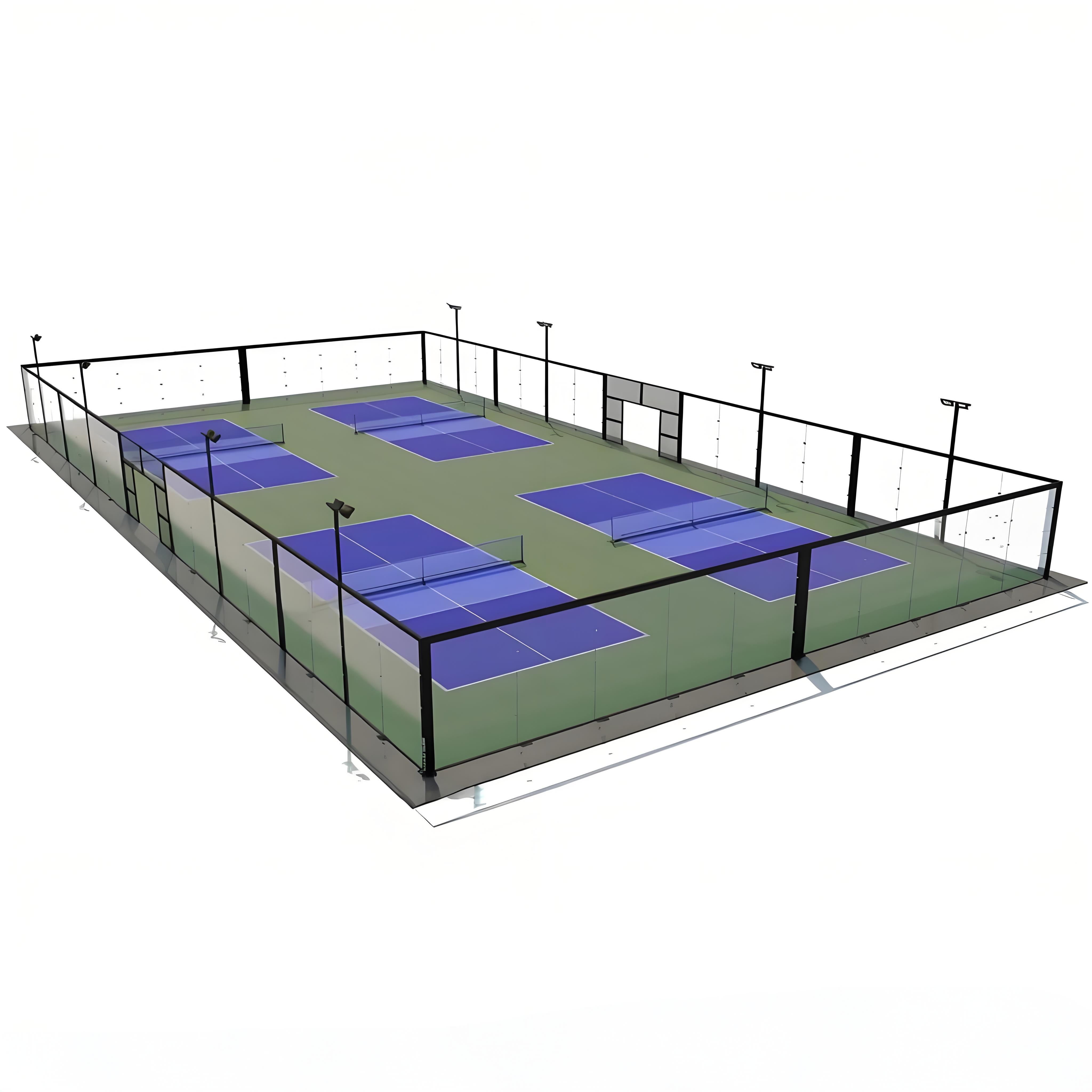
LDK Portable Backyard PP Pickleball Court Flooring Plastic Floor Tiles for Pickleball
In conclusion, Peak Stadium’s foreign trade story has turned a new page. It is no longer just about the cross-border transportation of sports building materials, but also the global output of a “modern sports lifestyle solution” integrating materials science, smart hardware, data software, and operational knowledge. Its core competitiveness lies in its ability to accurately understand and meet the diverse and in-depth needs from professional events to community entertainment, and to provide complete value with technological foresight and sustainability. This undoubtedly presents a higher level of integration challenges for global manufacturers and traders.
Publisher:
Post time: Feb-09-2026